
Month: April 2020

  • What You Should Know About Minimally Invasive Bunion Surgery

    What You Should Know About Minimally Invasive Bunion Surgery

    [et_pb_section fb_built=”1″ _builder_version=”3.22″ custom_padding=”3px|0px|14px|0px|false|false” fb_built=”1″ bb_built=”1″ _i=”0″ _address=”0″][et_pb_row _builder_version=”3.25″ background_size=”initial” background_position=”top_left” background_repeat=”repeat” _i=”0″ _address=”0.0″][et_pb_column type=”4_4″ _builder_version=”3.25″ custom_padding=”|||” _i=”0″ _address=”0.0.0″ custom_padding__hover=”|||”][et_pb_text _builder_version=”3.29.3″ _i=”0″ _address=”0.0.0.0″]

    One develops a bunion between the foot and the big toe. It is a painful condition, which results in a bony bump explicitly formed at the joint. The big toes of most patients tend to lean inward, thus allowing your big toe to become more pronounced and eventually leading to an inflamed toe condition. It must be remembered that it takes years for bunions to form. In the beginning there isn’t much pain, but over time can become quite harrowing. If you have developed painful bunions and are not able to bear the pain, which is causing a hindrance to walk, you should consult with one of our doctors about bunion surgery in Baltimore.

    One such invasive technique is MIS bunion surgery, which is also known as Minimally Invasive Surgery. MIS Bunion surgery is one of the preferred methods since very little intervention is required. This surgery does not need any long incision. Rather, this surgery can be carried out with only a few incisions. The smaller incision is performed to remove any excess bones. For this surgery, only one or two stitches are required. 

    One of the main benefits of MIS bunion surgery is the quick recovery time of the patients. They can often walk easily on their feet within a few days after the procedure is conducted. During the recovery process, the patient usually experiences very little pain compared to other procedures. Also, the scarring from the surgical operation is minimal because small incisions need fewer stitches.

    Irrespective of the type of surgical technique that you choose, it is essential for you to understand that there is a possibility of regrowth of the bunions. You may still experience pain in your joints, particularly when you have arthritis. In severe cases, and if appropriate care is not taken, there is a chance of losing your toe’s mobility. Therefore, carefully following post-surgery instructions is essential for increasing your chances for a full recovery.

    How to Improve Your Chances for a Full Recovery After Bunion Surgery

    1. Do not self-medicate. Instead, consult a doctor in case of any complications and closely follow their advice.
    2. Follow the doctors recommendations for prescribed drugs if you experience pain or inflammation
    3. If advised, take advantage of any physical activity for regaining the joint mobility
    4. Use wide shoes with plenty of room
    5. Follow the doctor’s recommendation and wear insoles accordingly
    6. Consider adhering to a postoperative diet that includes foods such as berries, oily fish, olive oil, garlic, and ginger.
    7. If you find your bunions are returning, you must consult your physician. There are various types of bunions and the doctor will help you understand the options for next steps.

    Contact our bunion surgeons in Baltimore to know more and discuss if MIS bunion surgery is right for your condition.

    [/et_pb_text][/et_pb_column][/et_pb_row][/et_pb_section][et_pb_section fb_built=”1″ _builder_version=”3.22″ custom_padding=”5px|0px|54px|0px|false|false” fb_built=”1″ bb_built=”1″ _i=”1″ _address=”1″][et_pb_row _builder_version=”3.25″ background_size=”initial” background_position=”top_left” background_repeat=”repeat” _i=”0″ _address=”1.0″][et_pb_column type=”4_4″ _builder_version=”3.25″ custom_padding=”|||” _i=”0″ _address=”1.0.0″ custom_padding__hover=”|||”][et_pb_text _builder_version=”3.29.3″ _i=”0″ _address=”1.0.0.0″]

    Time to See a Podiatrist?

    If you have any of the issues described above, it’s time to consult an expert. Connect with Podiatry Associates for an evaluation. All of our doctors are board certified/qualified and we’re dedicated to preserving your foot health.


    Other Related Articles:

    [/et_pb_text][/et_pb_column][/et_pb_row][/et_pb_section]
  • How to Treat an Infected Ingrown Toenail

    How to Treat an Infected Ingrown Toenail

    [et_pb_section fb_built=”1″ _builder_version=”3.22″ custom_padding=”3px|0px|14px|0px|false|false” fb_built=”1″ bb_built=”1″ _i=”0″ _address=”0″][et_pb_row _builder_version=”3.25″ background_size=”initial” background_position=”top_left” background_repeat=”repeat” _i=”0″ _address=”0.0″][et_pb_column type=”4_4″ _builder_version=”3.25″ custom_padding=”|||” _i=”0″ _address=”0.0.0″ custom_padding__hover=”|||”][et_pb_text _builder_version=”3.29.3″ _i=”0″ _address=”0.0.0.0″]

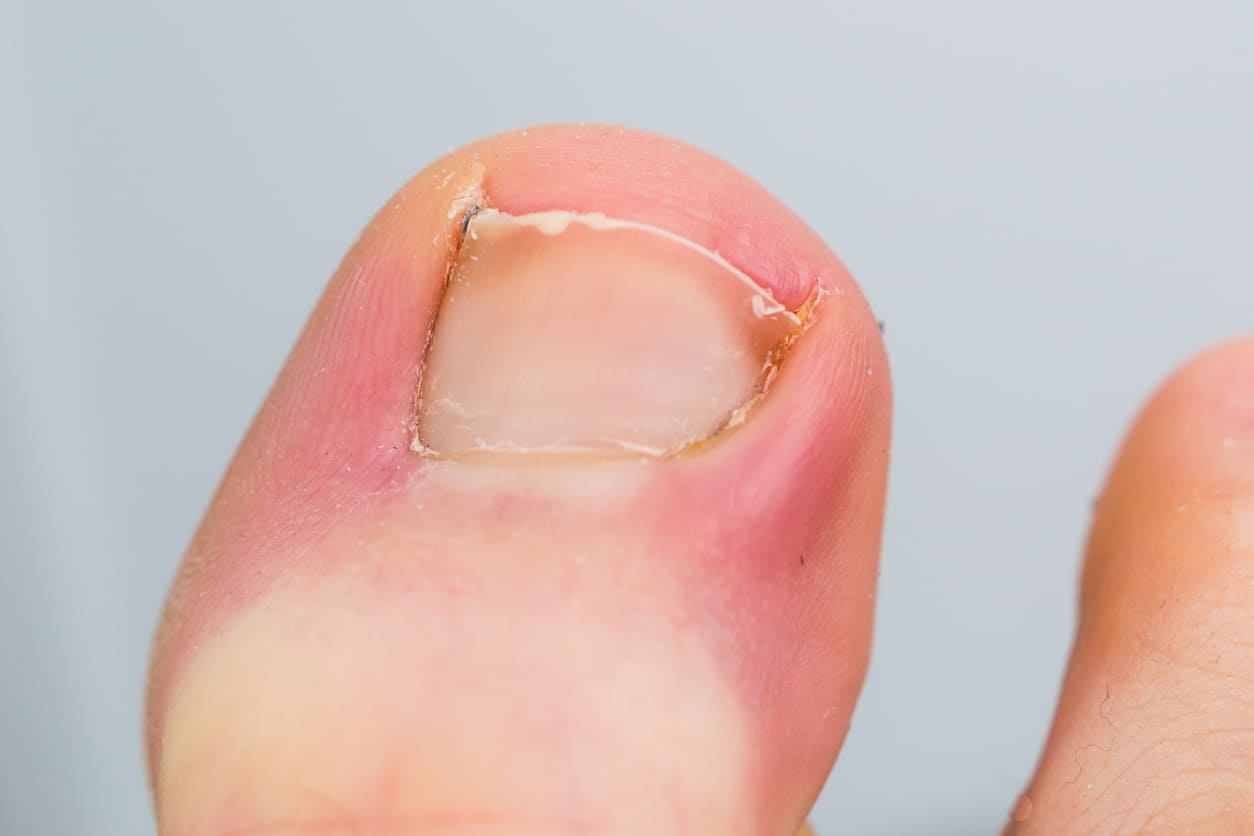
    An ingrown toenail is quite common and occurs when the toenail starts growing into the side of the toenail bed. The irritation can usually be identified by swelling and redness around the corner of the nail. If left alone, an ingrown toenail can become infected. An infected ingrown toenail is nothing to mess around with. In addition to causing extreme discomfort, the infection can spread and lead to other complications.


    What is an infected ingrown toenail?

    An ingrown toenail infection results when the minor symptoms of an ingrown toenail get worse. If not properly dealt with, the minimal discomfort in the corner of your toenail bed can escalate and become painfully swollen and red. 

    The causes of an ingrown toenail can vary, but can usually involve the improper cutting of your toenails, a toe injury, or even wearing tight shoes that irritate the nail bed.


    How do I know if I have an infected ingrown toenail?

    The symptoms of an infected ingrown toenail are many and can include:

    1. Swelling and redness around the toenail
    2. Throbbing or pressure beneath the toenail
    3. Pain when touched or bumped
    4. Buildup of pus or oozing fluid
    5. Bleeding nails
    6. Cracking or yellowing in nails that could indicate a fungal infection


    How to treat an infected ingrown toenail?

    There are some home remedies that you can use to treat and temporarily alleviate the pain of an ingrown toenail infection until you can have it properly examined and treated by a podiatrist. 

    The following are ways to treat an infected ingrown toenail:

    1. Create a foot bath with Epsom salts – soaking the infected area can temporarily ease the pain, lower the swelling and drain the pus from the infection
    2. See a podiatrist – the doctor may begin treatment by inserting a small wedge of medicated cotton between the nail and the inflamed area to drain the fluid
    3. The foot doctor may alternatively choose to numb the area and use a small incision to drain the pus
    4. The doctor gently wraps the area in sterile gauze to allow further drainage of the infection and prescribe antibiotic ointment
    5. Take medications for your infected ingrown toenail if your doctor prescribes them to help reduce the pain and swelling
    6. Seek ingrown toenail surgery if the condition persists or comes back again – the doctor simply numbs the toe and cuts off a sliver of the toenail edge so that it doesn’t grow into the nail bed

    It’s also worth noting that online there are many ingrown toenail misconceptions, which don’t actually help improve the condition of your ingrown toenail infection. Please cross check your sources to make sure they are board certified doctors of podiatric medicine, like Podiatry Associates.

    If you need ingrown toenail treatment in the Baltimore and the surrounding areas or have any questions about the treatments described above, check out our Podiatry Associates locations and find a podiatrist near you. Feel free to call our scheduling office to discuss your specific situation: (833) 500-FEET.

    [/et_pb_text][/et_pb_column][/et_pb_row][/et_pb_section][et_pb_section fb_built=”1″ _builder_version=”3.22″ custom_padding=”5px|0px|54px|0px|false|false” fb_built=”1″ bb_built=”1″ _i=”1″ _address=”1″][et_pb_row _builder_version=”3.25″ background_size=”initial” background_position=”top_left” background_repeat=”repeat” _i=”0″ _address=”1.0″][et_pb_column type=”4_4″ _builder_version=”3.25″ custom_padding=”|||” _i=”0″ _address=”1.0.0″ custom_padding__hover=”|||”][et_pb_text _builder_version=”3.29.3″ hover_enabled=”0″ _i=”0″ _address=”1.0.0.0″]

    Time to See a Podiatrist?

    If you have any of the issues described above, it’s time to consult an expert. Connect with Podiatry Associates for an evaluation. All of our doctors are board certified/qualified and we’re dedicated to preserving your foot health.


    Other Related Articles:

    [/et_pb_text][/et_pb_column][/et_pb_row][/et_pb_section]