
Category: Common Foot Problems

Common Foot Problems

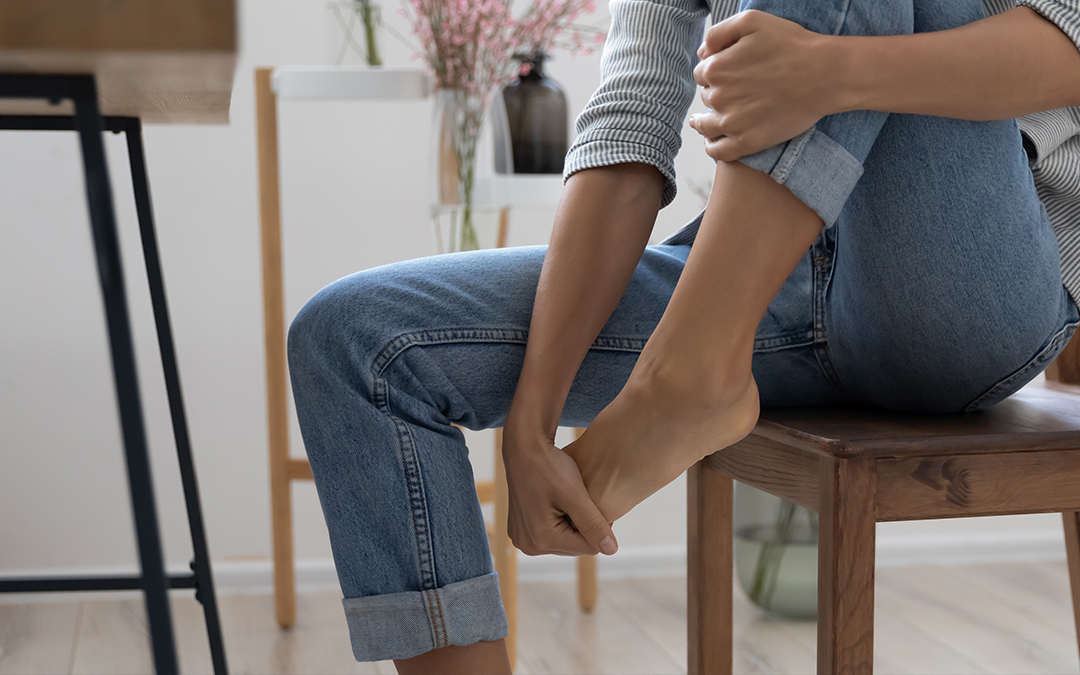
  • Managing Bunions Before They Advance

    Managing Bunions Before They Advance

    [et_pb_section fb_built=”1″ _builder_version=”4.16″ custom_padding=”3px|0px|14px|0px|false|false” hover_enabled=”0″ global_colors_info=”{}” sticky_enabled=”0″][et_pb_row admin_label=”Row” _builder_version=”4.16″ background_size=”initial” background_position=”top_left” background_repeat=”repeat” global_colors_info=”{}”][et_pb_column type=”4_4″ _builder_version=”4.16″ custom_padding=”|||” global_colors_info=”{}” custom_padding__hover=”|||”][et_pb_text admin_label=”Text” _builder_version=”4.18.0″ hover_enabled=”0″ global_colors_info=”{}” sticky_enabled=”0″]

    Managing Bunions Before They Advance: A Guide by MVS Podiatry Associates

    At MVS Podiatry Associates, we often diagnose and treat bunions – a common foot deformity. Bunions can be deceptive, often developing unnoticed in the beginning and progressing slowly. Consequently, many patients only realize the presence of a bunion when it’s considerably developed, causing pain and affecting mobility and shoe choice.

    Expert intervention is essential in addressing bunions. Yet, there are methods to alleviate bunion-related discomfort as you await professional consultation.

    Understanding Bunions

    Curious about bunions? Check the base of your big toe.

    A bunion emerges when the big toe deviates from its natural alignment at the metatarsophalangeal (MTP) joint, leading to a bony protrusion. This causes the big toe to lean towards the second toe.

    Since our big toe bears a significant portion of our body weight for walking, a misaligned joint due to a bunion can be notably painful. Bunions not only cause discomfort from this misalignment (arthralgia) but also due to shoes not fitting properly over the bony prominence, resulting in skin irritation, calluses, blisters, or bursitis.

    Common bunion symptoms are:

    • Noticeable bony prominence on the big toe’s exterior.
    • Inflammation, pain, and swelling at the big toe’s base.
    • Stiff or painful big toe joint.
    • Calluses, blisters, and other foot issues due to toe misalignment.
    • Pain during walking or when wearing shoes.

    What Causes Bunions?

    Bunions have various root causes, with genetics being a primary factor. It’s not the bunion that’s inherited, but the foot shape and walking patterns predisposing someone to bunion development. If your parents had bunions due to their foot shape, there’s a chance you might develop them too. Abnormal pronation and flat feet are commonly linked to bunions.

    That said, not everyone with bunions has a family history. Factors like wearing pointed or tight shoes, unsupportive footwear, or exposing the feet to excessive strain can cause the MTP joint to displace. For instance, dancers, particularly ballerinas, are at a higher risk.

    Bunion Treatment Recommendations

    When dealing with bunions, early intervention is crucial. Addressing a mild or moderate bunion is relatively easier than a pronounced one. If you suspect a bunion, promptly consult a podiatrist. While at-home remedies can provide relief, professional help is needed to resolve the condition.

    For temporary relief, consider:

    • Opting for supportive footwear with ample toe space.
    • Steering clear of high heels or tight-fitting shoes.
    • Using ice, elevating the foot, and considering anti-inflammatory medications.
    • Wearing toe spacers.
    • Applying protective bunion padding.

    For the best outcome, consult a podiatrist upon noticing bunion symptoms. If you need to book an appointment with our expert team at MVS Podiatry Associates.

    [/et_pb_text][/et_pb_column][/et_pb_row][/et_pb_section]

  • Say Goodbye to Hammer Toe: Essential Tips for Prevention

    [et_pb_section fb_built=”1″ _builder_version=”4.16″ custom_padding=”3px|0px|14px|0px|false|false” global_colors_info=”{}”][et_pb_row _builder_version=”4.16″ background_size=”initial” background_position=”top_left” background_repeat=”repeat” global_colors_info=”{}”][et_pb_column type=”4_4″ _builder_version=”4.16″ custom_padding=”|||” global_colors_info=”{}” custom_padding__hover=”|||”][et_pb_text _builder_version=”4.18.0″ global_colors_info=”{}”]

    Hammer toe is a common foot condition that can cause discomfort, pain, and difficulty in walking. It occurs when the middle joint of a toe becomes permanently bent, resembling a hammer. While the condition is treatable, it’s always better to prevent it from happening in the first place. In this blog post, we will explore some essential tips to help you prevent hammer toe and maintain healthy feet.

    • Choose the Right Footwear: One of the primary causes of hammer toe is ill-fitting shoes. Wearing tight, narrow, or high-heeled shoes can force your toes into unnatural positions, leading to toe deformities over time. To prevent hammer toe, opt for shoes that provide ample toe room, a wide toe box, and proper arch support. Look for footwear that is comfortable, allows your toes to move freely, and doesn’t squeeze or cramp them together.

    • Pay Attention to Toe Exercises: Performing simple exercises can help keep your toe joints flexible and prevent muscle imbalances. Regularly stretch and flex your toes by gently grabbing them with your fingers and pulling them toward you. Roll a small ball or towel with your toes to strengthen the muscles and improve circulation. These exercises will help maintain the natural alignment of your toes and reduce the risk of developing hammer toe.

    • Practice Good Posture and Foot Mechanics: Proper posture and foot mechanics play a crucial role in preventing hammer toe. When walking or standing, distribute your body weight evenly across both feet. Avoid excessive pressure on the ball of your foot or toes. Additionally, try to maintain a healthy arch by wearing supportive shoes and avoiding flat footwear that provides minimal arch support. Taking these measures will alleviate stress on your toe joints and reduce the risk of deformities.

    • Address Foot Problems Promptly: Conditions such as bunions, corns, calluses, and plantar fasciitis can contribute to the development of hammer toe. Therefore, it’s important to address any foot problems promptly. Consult a podiatrist if you notice any abnormalities or experience pain or discomfort in your feet. Early intervention can prevent the progression of foot conditions and reduce the likelihood of developing hammer toe.

    • Maintain a Healthy Weight: Excess weight can put unnecessary strain on your feet and toes, increasing the likelihood of developing toe deformities like hammer toe. Maintaining a healthy weight reduces the stress on your foot muscles and joints, helping to prevent the development or progression of toe-related conditions. Incorporate regular exercise and a balanced diet into your lifestyle to achieve and maintain a healthy weight.

    Call MVS Podiatry Associates If You’re Experiencing Hammer Toe

    Hammer toe can be an uncomfortable and debilitating condition, but with proactive steps, it can be prevented. By selecting the right footwear, practicing toe exercises, maintaining good posture and foot mechanics, addressing foot problems promptly, and managing your weight, you can significantly reduce the risk of developing hammer toe. Remember, when it comes to foot health, prevention is always better than cure. If you have concerns or notice any changes in your feet, consult a podiatrist for proper evaluation and guidance. Prioritize your foot health, and enjoy a pain-free, active lifestyle!

    [/et_pb_text][/et_pb_column][/et_pb_row][/et_pb_section][et_pb_section fb_built=”1″ _builder_version=”4.16″ custom_padding=”3px|0px|14px|0px|false|false” global_colors_info=”{}”][et_pb_row _builder_version=”4.16″ background_size=”initial” background_position=”top_left” background_repeat=”repeat” global_colors_info=”{}”][et_pb_column type=”4_4″ _builder_version=”4.16″ custom_padding=”|||” global_colors_info=”{}” custom_padding__hover=”|||”][et_pb_text _builder_version=”4.18.0″ global_colors_info=”{}”]


    Other Related Articles:

    [/et_pb_text][/et_pb_column][/et_pb_row][/et_pb_section]

  • Common Missteps Encountered by People Managing Ingrown Toenails

    Common Missteps Encountered by People Managing Ingrown Toenails

    [et_pb_section fb_built=”1″ _builder_version=”4.16″ custom_padding=”3px|0px|14px|0px|false|false” global_colors_info=”{}”][et_pb_row _builder_version=”4.16″ background_size=”initial” background_position=”top_left” background_repeat=”repeat” global_colors_info=”{}”][et_pb_column type=”4_4″ _builder_version=”4.16″ custom_padding=”|||” global_colors_info=”{}” custom_padding__hover=”|||”][et_pb_text _builder_version=”4.18.0″ hover_enabled=”0″ global_colors_info=”{}” sticky_enabled=”0″]

    Typical Errors Made by Individuals Dealing with Ingrown Toenails

    Evident physical anomalies are usually immediately noticeable, but what about those conditions that remain concealed? Such hidden abnormalities are often disregarded, not least because they aren’t readily apparent. One such condition that often falls under the radar is an ingrown toenail. Given our feet are typically cloaked in socks or shoes for the majority of the day, it’s all too easy to miss this issue. Nevertheless, an ingrown toenail calls for prompt medical intervention and lifestyle modifications. However, many individuals persist in their everyday routines, often committing errors that should be avoided when managing this condition. Even upon recognizing an ingrown toenail, a significant number of people are uncertain about the next steps. Here are some of the prevalent missteps individuals with ingrown toenails often make:

    Wearing Tight Shoes

    Many people operate under the false belief that a pair of shoes that fits tightly equates to the perfect fit. The snug feel of tight shoes can create an illusion of a perfect fit as they encompass your feet closely. However, an ideal pair of shoes should offer ample room for your nails to rest comfortably and your toes to splay out freely. If you notice the signs of an ingrown toenail, it’s recommended to refrain from wearing tight shoes. As a preventative measure against future occurrences of ingrown toenails, select shoes that provide sufficient width. Particularly narrow shoes, such as those with a slim toe area or ‘toe box,’ or steel-capped shoes, could pose problems. These styles tend to exert excessive pressure on the toenails and surrounding skin, promoting the nails’ ingrowth into the skin.

    Incorrect Approach to Toenail Trimming

    Inadequate toenail trimming practices can lead to complications such as ingrown toenails. For instance, overly rounding the corners when trimming your toenails may prompt the nail to dig into the adjacent skin. If you’re already dealing with an ingrown toenail, tearing the nail off can exacerbate the issue. This often leaves behind a small, sharp piece of nail (a spicule), which is likely to develop into another ingrown toenail. Furthermore, it’s advisable to refrain from excessively shortening your toenails.

    Ignoring the Issue

    Toenails are a part of our body that we often overlook. This is the most common mistake that people make with ingrown toenails. Today, ingrown toenail removal surgery is quite common and could remove your abnormal toenails easily. Ingrown toenails won’t disappear overnight. For this reason, we must pay attention to our feet and act accordingly if we notice an ingrown toenail.

    Is It Time to Consult a Podiatrist?

    Should you experience any of the aforementioned problems, it’s essential to seek professional advice. Get in touch with MVS Podiatry Associates for a comprehensive assessment. Our team consists of board certified/qualified podiatrists, and we are deeply committed to maintaining the health of your feet.

    [/et_pb_text][/et_pb_column][/et_pb_row][/et_pb_section][et_pb_section fb_built=”1″ _builder_version=”4.16″ custom_padding=”3px|0px|14px|0px|false|false” global_colors_info=”{}”][et_pb_row _builder_version=”4.16″ background_size=”initial” background_position=”top_left” background_repeat=”repeat” global_colors_info=”{}”][et_pb_column type=”4_4″ _builder_version=”4.16″ custom_padding=”|||” global_colors_info=”{}” custom_padding__hover=”|||”][et_pb_text _builder_version=”4.18.0″ hover_enabled=”0″ global_colors_info=”{}” sticky_enabled=”0″]


    Other Related Articles:

    [/et_pb_text][/et_pb_column][/et_pb_row][/et_pb_section]

  • Why seek out a Podiatrist?

    Why seek out a Podiatrist?

    [et_pb_section fb_built=”1″ _builder_version=”4.18.0″ custom_padding=”3px|0px|14px|0px|false|false” global_colors_info=”{}”][et_pb_row _builder_version=”4.16″ background_size=”initial” background_position=”top_left” background_repeat=”repeat” global_colors_info=”{}”][et_pb_column type=”4_4″ _builder_version=”4.16″ custom_padding=”|||” global_colors_info=”{}” custom_padding__hover=”|||”][et_pb_text _builder_version=”4.18.0″ global_colors_info=”{}”]

    Do you consider consulting a specialist for a heart issue? How about a problem with your back? Then why not give equal importance to your feet? Maintaining healthy and pain-free feet is crucial for an active and healthy lifestyle.

    Podiatrists undergo four years of podiatric medical school and a three-year, hospital-based residency to become experts in foot and ankle care. Therefore, if you encounter any discomfort, injuries, or alterations in the condition of your feet and ankles, it is advisable to seek specialized care from a podiatrist.

    Why should I invest more money to consult a specialist when my primary care doctor can take care of my feet?

    While it’s understandable to be mindful of expenses, healthcare is an area where cutting corners may not be wise. Issues such as pain or other complications in your feet and ankles can have significant implications for your overall well-being, especially if you have conditions like diabetes, vascular disease, or other chronic ailments. In such cases, it is crucial to seek specialized care. A podiatrist is well-equipped to efficiently diagnose and treat your foot or ankle condition, ultimately saving you time and money in the long term.

    While local urgent care facilities can be helpful for minor ailments or injuries, they may not be the best option for every foot problem. When it comes to chronic foot or ankle pain, fractures, or other traumatic injuries, it is advisable to consult a podiatrist—your dedicated specialist for foot and ankle care. A podiatrist can provide an accurate diagnosis and develop an appropriate treatment plan to help you recover and experience relief more efficiently. So, for a faster path to healing and overall well-being, it’s best to seek the expertise of a podiatrist.

    A variety of conditions should be treated by a podiatrist. Whenever you encounter foot or ankle pain, injuries, or observe changes in the condition of your feet or ankles, seeking specialized care from a podiatrist is appropriate. However, the following specific conditions certainly necessitate contacting your podiatric physician and surgeon:

    Peripheral Neuropathy: If you have diabetes and experience symptoms like painful prickling, heaviness, tiredness, or other discomfort in your feet, it could be a sign of peripheral neuropathy caused by nerve damage from diabetes. Given the potential complications associated with diabetes and the feet, individuals with diabetes should undergo regular annual examinations with a podiatrist and promptly reach out to their podiatrist upon noticing any changes in their feet.

    Neuromas: Are you experiencing pain, burning, or numbness between your toes or in the ball of your foot? It could be attributed to a benign growth of nerve tissue known as a neuroma. Visit a podiatrist for accurate diagnosis and relief.

    Skin Changes: While the skin on your feet may be tougher than other parts of your body, it is also more exposed to potential hazards such as foreign bodies or sun exposure when SPF is forgotten. Podiatrists possess comprehensive knowledge of the skin on the feet. If you notice any alterations in the skin of your feet or ankles, schedule an appointment with a podiatrist without delay.

    Injury: Initially, following the RICE protocol (rest, ice, compression, and elevation) is advisable for a foot injury. However, if your pain does not improve within 24 hours, you are unable to bear weight on the injury, or notice severe swelling or bruising, it is crucial to contact your podiatrist for an emergency appointment. Podiatrists offer specialized care for foot and ankle injuries, ranging from conservative treatments to surgical interventions.

    Schedule your consultation with MVS Podiatry Associates today by calling 833-500-3338 or visiting www.PodiatryAssociates.org. Don’t delay in getting specialized care for your foot and ankle needs.

    [/et_pb_text][/et_pb_column][/et_pb_row][/et_pb_section]

  • What exactly is Onychomycosis, also known as toenail fungus?

    What exactly is Onychomycosis, also known as toenail fungus?

    [et_pb_section fb_built=”1″ _builder_version=”4.16″ custom_padding=”3px|0px|14px|0px|false|false” global_colors_info=”{}”][et_pb_row _builder_version=”4.16″ background_size=”initial” background_position=”top_left” background_repeat=”repeat” global_colors_info=”{}”][et_pb_column type=”4_4″ _builder_version=”4.16″ custom_padding=”|||” global_colors_info=”{}” custom_padding__hover=”|||”][et_pb_text _builder_version=”4.18.0″ hover_enabled=”0″ global_colors_info=”{}” sticky_enabled=”0″]

    At MVS Podiatry Associates in Columbia, we treat numerous patients annually who suffer from onychomycosis, or toenail fungus. Although this condition is typically not life-threatening, it can have a negative impact on self-esteem due to the unsightly changes it causes to toenails. For individuals with autoimmune disorders such as diabetes, it can pose a significant risk to health.

    Thankfully, effective treatment options are available for onychomycosis, and we utilize the PinPointe™ FootLaser® to provide relief. In most cases, patients experience visible improvement after a single 30-minute treatment.

    What Is Onychomycosis?

    Toenail fungus, also known as onychomycosis, is a common condition characterized by thickening, yellowing, and brittleness of the toenails. As the infection progresses, the affected toenails may become jagged and bark-like, and break off easily. If left untreated, onychomycosis can cause swelling and discomfort, particularly in individuals with underlying health issues.

    Early detection and treatment of onychomycosis is crucial, as it can cause minor damage to nail beds and lead to minimal pain. However, the condition can severely impact self-esteem and make wearing shoes and socks uncomfortable in severe cases.

    What Causes Onychomycosis?

    Onychomycosis is typically caused by various strains of fungi that thrive on keratin, the protein that makes up nails and hair. The fungi thrive in moist, warm, and wet environments like socks and shoes, making anyone susceptible to the condition. However, the following individuals are most at risk:

    • People who regularly wear nail polish on their toenails and do not allow their nails to breathe
    • Individuals who do not maintain proper foot hygiene and do not clean their feet and toenails regularly
    • Those who frequently wear ill-fitting or tight shoes or stockings
    • Individuals with circulation issues
    • People with chronic immune disorders, such as diabetes
    • Individuals who frequent locker rooms, such as athletes, gym-goers, police, and military personnel

    Is Toenail Fungus Contagious?

    Toenail fungus is a contagious condition, but proper hygiene practices can help prevent most cases. To avoid contracting toenail fungus, it is recommended to:

    • Wear shower shoes in public gyms and locker rooms and thoroughly wash your feet both at the gym and when showering at home.
    • Dry your feet completely after showering, and consider using a foot powder to maintain dryness and cleanliness.
    • If you develop athlete’s foot from a gym, treat it with a topical cream as soon as possible. Use the treatment for the full recommended duration, and monitor your feet afterwards.
    • Refrain from sharing footwear with others, and if you have had toenail fungus or athlete’s foot in the past, use a sterilization spray to sanitize your shoes.
    • Seek professional treatment if OTC solutions do not work within the recommended treatment period.

    While there are various methods to treat toenail fungus, seeking professional treatment is the most effective way to address the issue. Over-the-counter sprays, nail polishes, and creams may be effective in some cases, but for a reliable solution, MVS Podiatry Associates in Columbia offers an effective treatment.

    We use the PinPointe™ FootLaser® to target and eliminate the fungus feeding on toenails. The procedure is painless and typically takes less than 30 minutes to complete.

    If you are suffering from onychomycosis, consider scheduling a PinPointe™ FootLaser® session at MVS Podiatry Associates in Columbia to eliminate your toenail fungus.

    [/et_pb_text][/et_pb_column][/et_pb_row][/et_pb_section]

  • Can wearing high heels lead to the development of bunions?

    Can wearing high heels lead to the development of bunions?

    [et_pb_section fb_built=”1″ _builder_version=”4.16″ custom_padding=”3px|0px|14px|0px|false|false” global_colors_info=”{}”][et_pb_row _builder_version=”4.16″ background_size=”initial” background_position=”top_left” background_repeat=”repeat” global_colors_info=”{}”][et_pb_column type=”4_4″ _builder_version=”4.16″ custom_padding=”|||” global_colors_info=”{}” custom_padding__hover=”|||”][et_pb_text _builder_version=”4.18.0″ global_colors_info=”{}”]

    Can Wearing High Heels Result in Bunions?

    High heels are a staple of many women’s shoe collections, prized for their aesthetic appeal despite their often-uncomfortable nature. However, the potential long-term consequences of wearing high heels may include the need for bunions surgery.

    When choosing a new pair of heels, it’s common for women to prioritize appearance over comfort. But it’s important to consider the potential risks associated with high heels, including the development of painful bunions.

    While high heels can enhance one’s fashion sense, wearing poorly fitting high heels can lead to foot problems that may ultimately result in bunions and excruciating pain. In severe cases, surgery may be necessary to address the issue.

    Before delving further into the subject, it’s important to understand what bunions are and how they form.

    What Are Bunions?

    Bunions refer to the development of a bony protrusion, typically on the inside of the foot at the base of the big toe. This growth is a gradual process and worsens over time.

    In more technical terms, bunions occur when the bones of the metatarsophalangeal joint become misaligned due to excessive pressure on the big toe joint. The big toe, unable to bear this pressure, eventually leans on the second toe for support, leading to a change in the bone structure and the formation of a bump.

    While bunions usually develop at the base of the big toe, they can also appear on the outer edge of the pinky toe, referred to as a bunionette or Tailor’s bunion.

    What Leads to the Development of Bunions?

    Bunions are more prevalent among women than men, and often result from wearing ill-fitting shoes. The primary causes of bunions are:

    • Tight shoes with narrow toe boxes, such as high heels or shoes that are too small
    • Genetics or hereditary factors
    • Presence of underlying conditions such as neuromuscular disorders or rheumatoid arthritis, which are commonly linked to bunions.

    What Are the Ways to Alleviate Bunion Pain?

    Given that tight shoes and high heels are common culprits of bunions, the initial step in easing the discomfort is to switch to comfortable footwear that provides adequate toe space. To eliminate the pain, you must relieve the pressure on the affected toe. There are various shoe options available that are specifically designed to alleviate bunion pain. However, it’s advisable to consult with a podiatrist to determine the most suitable treatment for your feet.

    What Are the Treatment Options for Bunions?

    The initial step in treating bunions is to schedule an appointment with a foot doctor to determine the most appropriate course of action for your specific case. Here are some common methods used for treating bunions:

    • Wear shoes with a wider toe box
    • Utilize bunion-shield padding to alleviate pain
    • Apply ice regularly to reduce swelling
    • Wear custom orthotic devices designed to provide relief
    • Undergo bunion surgery to correct the issue if recommended by your podiatrist.

    Is it Time to Schedule a Visit with a Podiatrist?

    If you are experiencing any of the aforementioned foot problems, it is advisable to seek the guidance of a podiatry expert. Reach out to MVS Podiatry Associates to schedule an assessment. Our team of board-certified/qualified doctors is committed to safeguarding your foot health.

    Schedule your consultation today by calling us at (833) 500-3338

    [/et_pb_text][/et_pb_column][/et_pb_row][/et_pb_section][et_pb_section fb_built=”1″ _builder_version=”4.16″ custom_padding=”5px|0px|54px|0px|false|false” global_colors_info=”{}”][et_pb_row _builder_version=”4.16″ background_size=”initial” background_position=”top_left” background_repeat=”repeat” global_colors_info=”{}”][et_pb_column type=”4_4″ _builder_version=”4.16″ custom_padding=”|||” global_colors_info=”{}” custom_padding__hover=”|||”][et_pb_text _builder_version=”4.18.0″ global_colors_info=”{}”]


    Other Related Articles:

    [/et_pb_text][/et_pb_column][/et_pb_row][/et_pb_section]
  • Dr. Scott Woodburn shares the risk factors and symptoms of P.A.D.

    Dr. Scott Woodburn shares the risk factors and symptoms of P.A.D.

    [et_pb_section fb_built=”1″ _builder_version=”4.16.1″ custom_padding=”3px|0px|14px|0px|false|false” global_colors_info=”{}”][et_pb_row admin_label=”Row” _builder_version=”4.16.1″ background_size=”initial” background_position=”top_left” background_repeat=”repeat” global_colors_info=”{}”][et_pb_column type=”4_4″ _builder_version=”4.16″ custom_padding=”|||” global_colors_info=”{}” custom_padding__hover=”|||”][et_pb_text admin_label=”Text” _builder_version=”4.16.1″ hover_enabled=”0″ global_colors_info=”{}” sticky_enabled=”0″]

    Are you having trouble walking around due to pain in your legs and feet? You may be experiencing symptoms of PAD. Dr. Scott Woodburn from MVS Podiatry Associates shares the risk factors and symptoms.

    Making regular appointments with your podiatrist will not only be beneficial but is necessary to prevent Peripheral Artery Disease. To meet with a podiatrist at MVS Podiatry Associates, click here.

    Video Courtesy: Fox 45 Bmore Lifestyle 

    [/et_pb_text][et_pb_video _builder_version=”4.16.1″ _module_preset=”default” global_colors_info=”{}”][/et_pb_video][et_pb_code _builder_version=”4.16.1″ _module_preset=”default” global_colors_info=”{}”][/et_pb_code][/et_pb_column][/et_pb_row][/et_pb_section]
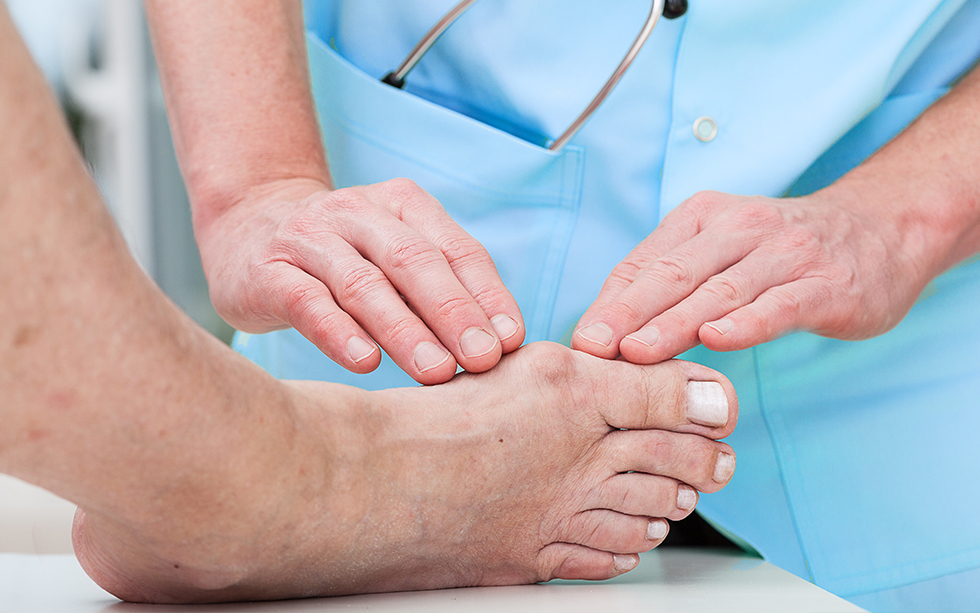
  • Do Hammer Toes Come Back After Surgery?

    Do Hammer Toes Come Back After Surgery?

    [et_pb_section fb_built=”1″ _builder_version=”4.8.2″ custom_padding=”3px|0px|14px|0px|false|false”][et_pb_row admin_label=”Row” _builder_version=”4.8.2″ background_size=”initial” background_position=”top_left” background_repeat=”repeat”][et_pb_column type=”4_4″ _builder_version=”3.25″ custom_padding=”|||” custom_padding__hover=”|||”][et_pb_text admin_label=”Text” _builder_version=”4.9.4″ hover_enabled=”0″ sticky_enabled=”0″]

    Anyone who has dealt with a hammertoe understands how painful it can be.

    The condition goes beyond just a primary toe deformity. It can cause serious pain when wearing closed shoes, difficulty walking and unwanted corns and calluses.

    Unfortunately, hammertoes are not something that can go away on their own. Regardless of what causes the deformity, they may need medical treatment or surgery to correct the deformity.

    Another unfortunate fact is that while most hammertoes do not recur after surgery, some can. Here are some of the things you can do to try to prevent hammertoes from initially developing or from coming back after surgery.

    What Is A Hammertoe?

    Hammertoes are contracture deformities of the toes. When hammertoes occur, the toes assume a crooked or bent position. Hammertoes more often impact the lesser digits of the foot but may affect the big toe. Hammertoes may be caused by genetics, improper footwear, or trauma to the toe.
    Hammertoe deformities are categorized as flexible or rigid. A flexible hammertoe has a flexible, moveable joint. These are typically easier to fix than non-flexible hammertoes. A rigid hammertoe does not have mobility at the joint and is rigid or fixed in it’s contracture deformity. Rigid hammertoe deformities may develop over time, when patients have not sought treatment for their flexible hammertoes.

    Treating Hammertoes Without Surgery

    In some cases, hammertoes will ultimately need surgery to remedy the deformity. However, there are conservative measures people can take to help prevent hammertoes from forming or to slow the progression of hammertoes that may already be present. These include:

    • Changing your footwear. Footwear that restricts the toe (such as pointed-toe shoes or shoes with a shallow toe box) may exacerbate hammertoe pain and may encourage the deformity to worsen. Patients should wear shoes that are comfortable with a deep, roomy toe box.
    • Applying non-medicated padding to any corns or calluses. Hammertoes may develop corns and calluses resulting from hammertoes rubbing against footwear. Corns and callouses can cause severe pain and limit normal walking. Padding these areas can reduce the shoe rubbing and the resulting pain.
    • Using orthotics if necessary. If your hammertoe is influenced by genetic foot structure, your doctor may recommend prescription foot orthotics to prevent foot deformity such as hammertoes.

    What Is Hammertoe Surgery Like?

    Hammertoe surgeries are typically performed in an outpatient surgery center and patients recover at home. The surgery may be performed using local anesthesia or IV sedation anesthesia. Most hammertoe surgery is categorized as minor surgery. After surgery, pain is usually mild and usually only lasts for a few days. Pain is directly influenced by carefully adhering to post operative instructions. OTC analgesics may be adequate to control this discomfort. However, mild to moderate analgesic medication may be prescribed and taken for 1 or 2 days if needed. Patients coordinate post op visits at their doctor’s office.

    During the surgery, doctors will reduce the hammertoe deformity while operating on the bones and ligaments within the affected digits. After the surgery, the area around the incision may be swollen. Rest, elevation, anti-inflammatory medication, and other post-surgical medications may be prescribed by your doctor after surgery.

    What Can I Do To Prevent Hammertoe Recurrence?

    Prevention will focus on wearing correctly fitted shoes and shoe styles that do not compress the toes and encourage recurrent foot deformity. Dress shoes, including high heels, may be allowed for specific events and for short periods of time. But daily shoe gear should fit comfortably on the foot and around the toes. Treating issues related to your foot structure (such as flat feet, falling arches or pronation syndrome) will assist prevention.
    Finally, making regular appointments with your podiatrist will not only be beneficial but is necessary to prevent recurrence after hammertoe treatment. To meet with a podiatrist at Podiatry Associates, click here.

    [/et_pb_text][/et_pb_column][/et_pb_row][/et_pb_section]
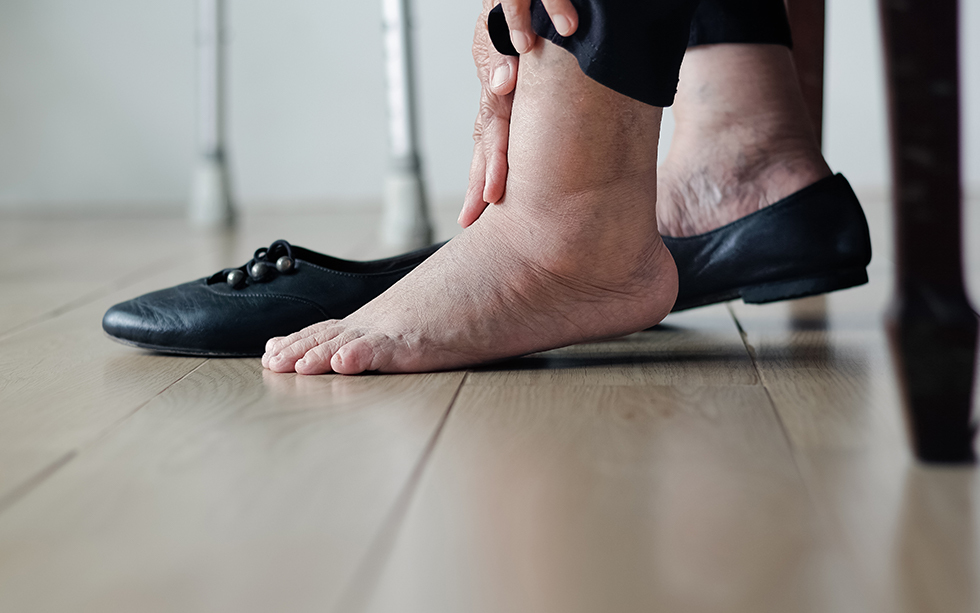
  • How To Treat A Bunion Before It Gets Worse

    How To Treat A Bunion Before It Gets Worse

    [et_pb_section fb_built=”1″ _builder_version=”4.8.2″ custom_padding=”3px|0px|14px|0px|false|false”][et_pb_row admin_label=”Row” _builder_version=”4.8.2″ background_size=”initial” background_position=”top_left” background_repeat=”repeat”][et_pb_column type=”4_4″ _builder_version=”3.25″ custom_padding=”|||” custom_padding__hover=”|||”][et_pb_text admin_label=”Text” _builder_version=”4.9.4″ hover_enabled=”0″ sticky_enabled=”0″]

    A podiatric problem we frequently see at Podiatry Associates is the common “bunion”. Bunions are often not noticed during the early stages of development. The deformity may slowly worsen over time without treatment. Because of this tricky onset, bunions may appear “to come out of nowhere”. Many times patients wait to come in until the deformity is much more severe with the onset of pain causing limited walking and limited wearing of shoes.

    Bunions need expert help. However, there are ways to stop the pain associated with bunions while you wait to see someone about them.

    What Is A Bunion?

    Wondering if you have a bunion? Look to the base of your big toe.

    Bunions form when your big toe slips out of its normal position at the metatarsophalangeal (MTP) joint, resulting in a bone prominence at the base of the great toe and the big toe leaning toward the adjacent second toe.

    The big toe is responsible for supporting a lot of your body weight, which is why we need it to walk correctly. Because of this, walking with a bunion can be very painful — the bunion essentially places a majority of your body weight on a joint that is misaligned.

    As well as pressure and pain from the unnaturally-aligned joint (arthralgia), most shoes do not reasonably accommodate the bone prominence of a bunion and it is easy to develop painful skin irritation/inflammation, calluses, blisters, or bursitis because of them.

    Symptoms of bunions include:

    • A firm bone prominence, “boney bump” on the outside of the big toe
    • Swelling, pain, and redness at the base of the big toe
    • A painful or stiff big toe joint
    • Calluses, corns, and blisters on other parts of the foot due to the big toe’s misalignment
    • Pain wearing shoes or walking

    Why Do People Get Bunions?

    Several factors contribute to bunions, but typically they are genetic. Bunions themselves are not passed down or contagious. Instead, they are due to inherited foot shape and incorrect walking mechanics that may lead to bunion development. In other words, if one or both of your parents suffer from bunions because of the way their feet are shaped, you might, too. Abnormal pronation and flat feet are often a culprit in bunion growth.

    Some people may not have family history bunions but get them anyway. Shoe type may influence the development of a bunion, as pointed toe shoes, shoes which are too tight or unsupportive shoes can encourage the MTP to slip out of place. Additionally, excessive work or pressure on the feet can cause trauma to the MTP, which in turn may cause bunion development. Dancers — especially pointe ballerinas — are prone to bunions.

    How Do You Fix Bunions (Before They Get Worse)?

    With bunions, time is of the essence. A mild or moderate bunion deformity is easier to treat or surgically correct, compared to a severe bunion. At the first sign of a bunion deformity, it is important to see a podiatrist. You can treat the symptoms of a bunion at home, but a bunion will not go away without professional help.

    Until your doctor can recommend a treatment plan for your bunion, some of the things you can do to alleviate the pain of a bunion include:

    • Wearing proper, supportive shoes with a wide toe box
    • Avoiding high heels or constrictive dress shoes
    • Apply ice, elevating the foot, and taking anti-inflammatory drugs to ease the pain
    • Wearing a spacer between your big toe and the second toe
    • Apply a bunion padding around the bump itself

    Your best chance for bunion recovery will be to see a podiatrist as soon as you recognize the signs and symptoms of a bunion. To schedule an appointment with one of our podiatrists, click here.

    [/et_pb_text][/et_pb_column][/et_pb_row][/et_pb_section]

  • Diabetic Foot Ulcers: Causes and Treatments

    Diabetic Foot Ulcers: Causes and Treatments

    [et_pb_section fb_built=”1″ _builder_version=”4.8.2″ custom_padding=”3px|0px|14px|0px|false|false”][et_pb_row admin_label=”Row” _builder_version=”4.8.2″ background_size=”initial” background_position=”top_left” background_repeat=”repeat”][et_pb_column type=”4_4″ _builder_version=”3.25″ custom_padding=”|||” custom_padding__hover=”|||”][et_pb_text admin_label=”Text” _builder_version=”4.9.4″]One common problem Podiatry Associates treats is diabetic foot ulcers. 

    For most people, a cut, scrape, or blister on the foot doesn’t cause much damage. It heals quickly and — though it might cause some pain — it doesn’t cause significant medical problems. However, for those living with diabetes minor cuts and skin wounds can evolve into more severe lesions known as diabetic foot ulcers. 

    Here are some frequently asked questions about diabetic foot ulcers that Podiatry Associates wants more people to understand.

    What Is A Diabetic Foot Ulcer?

    A diabetic foot ulcer is an open wound on the foot of people living with diabetes. 

    Foot ulcers impact up to 15% of patients with diabetes. Untreated diabetic foot ulcers can lead to complications such as local wound site infections. In severe cases, diabetic ulcers of the foot may lead to amputations.

    What Are The Symptoms Of A Diabetic Foot Ulcer?

    Diabetic foot ulcers are visible open skin wounds on the foot. 

    Often those with diabetic foot ulcers do not feel the skin wounds developing due to a loss of sensation or feeling in the foot. Pain isn’t typically associated with these types of ulcers. However, ulcers can become infected, and the infection can spread, which may cause pain and tissue damage.

    What Causes Diabetic Foot Ulcers?

    The cause of diabetic foot ulcers is often multifactorial. Foot ulcers are usually caused by a combination of factors such as: uneven gait, chronic pressure on bony prominences, poorly controlled blood sugar levels, poor circulation or decreased sensation in the feet. There are other causative factors possible.

    Risk factors for developing foot ulcers include:

    • Race: Foot ulcers are more common in those of Hispanic, Native American, and African American descent
    • Age: While foot ulcers occur in young adults, they are more common in older patients
    • Gender: Men are at higher risk than women
    • Insulin: Those who use insulin are at a higher risk. However, diabetics on diet control or oral diabetic medication are also at risk for foot ulcers
    • Diseases: Those living with kidney disease, heart disease, and eye disease are at a higher risk of diabetic foot ulcers
    • Sedentary lifestyle: Those who engage in regular exercise may control their body weight and glucose control. This may improve their circulation. Thus, they have an easier time preventing diabetic foot ulcers
    • Dietary choices: Eating healthy foods and following a healthy diet may help prevent diabetic foot ulcers
    • Alcohol use: Using alcohol raises the risk of diabetic foot ulcers
    • Tobacco use: Using tobacco raises the risk of diabetic foot ulcers

    How Are Diabetic Foot Ulcers Treated?

    Prevention of foot ulcers is ideal. Still, if a diabetic patient does develop a foot ulcer, they need to see a doctor right away. The podiatrist will initially perform a thorough examination. They may then prescribe a treatment routine including: wound cleansing, dressing changes, antibiotics, pressure relief and ulcer debridement. Monitoring and controlling blood sugar will greatly assist healing. A lifetime of preventative care and medical follow up will be ongoing steps in the process and will help prevent recurrence.

    Do You Always Need Surgery?

    No, diabetic foot ulcers do not always need surgery. Surgery is typically reserved for wounds that fail to heal with treatment, ulcers with severe infection and the most severe ulcer cases. 

    Do Diabetic Foot Ulcers Require Hospitalization?

    The large majority of diabetic foot ulcers will heal following treatment in the office. Similar to the need for surgery, only a small percent of foot ulcers with severe infection or ulcers unresponsive to standard treatment will require hospitalization.

    Can You Prevent Diabetic Foot Ulcers?

    Luckily, diabetic foot ulcers are preventable in most cases. Patients living with diabetes should be educated as to self care of their diabetes at home. This includes : 

    • Daily self inspection of the feet
    • Seeking immediate medical evaluation of any concerns or changes in the feet
    • Daily foot hygiene, followed by thorough drying of the skin on the foot
    • Applying moisturizing lotion or cream to excessively dry skin on the foot
    • Avoid barefoot walking
    • Wear high quality, well fit shoes 
    • Proper cutting of toenails to prevent self injury or seeking a podiatrist for foot care

    Finally, it will be important for those living with diabetes to stay on top of blood glucose control and preventative care for their diabetes. This includes maintaining visits with your primary care physician or endocrinologist and your podiatrist. Diabetics of every age should have an annual diabetic foot exam performed by a podiatrist and additional podiatry care as needed.

    Maintaining a doctor-patient relationship will go a long way toward prevention, and Podiatry Associates is here to help with your diabetic foot needs.[/et_pb_text][/et_pb_column][/et_pb_row][/et_pb_section]