Category: Common Foot Problems

Common Foot Problems

  • How to Treat an Infected Ingrown Toenail

    How to Treat an Infected Ingrown Toenail

    [et_pb_section fb_built=”1″ _builder_version=”3.22″ custom_padding=”3px|0px|14px|0px|false|false” fb_built=”1″ bb_built=”1″ _i=”0″ _address=”0″][et_pb_row _builder_version=”3.25″ background_size=”initial” background_position=”top_left” background_repeat=”repeat” _i=”0″ _address=”0.0″][et_pb_column type=”4_4″ _builder_version=”3.25″ custom_padding=”|||” _i=”0″ _address=”0.0.0″ custom_padding__hover=”|||”][et_pb_text _builder_version=”3.29.3″ _i=”0″ _address=”0.0.0.0″]

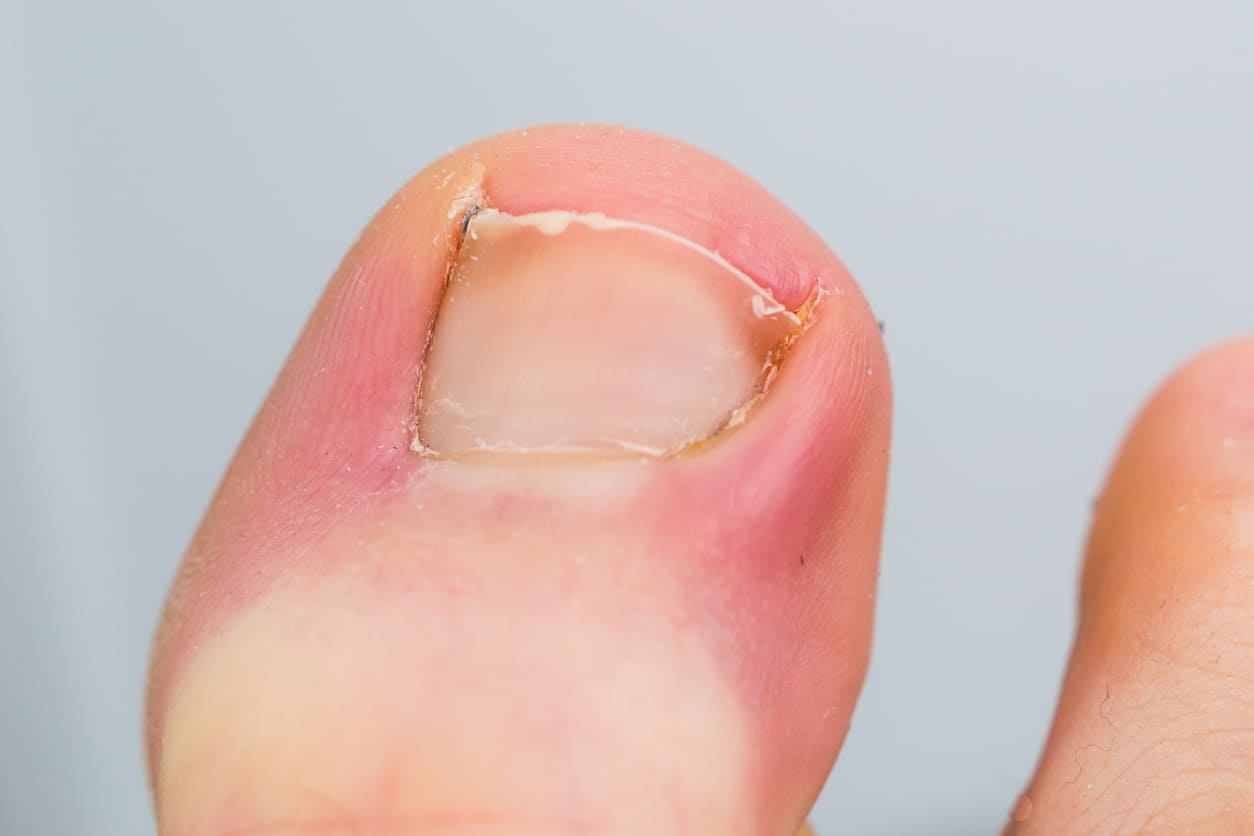
    An ingrown toenail is quite common and occurs when the toenail starts growing into the side of the toenail bed. The irritation can usually be identified by swelling and redness around the corner of the nail. If left alone, an ingrown toenail can become infected. An infected ingrown toenail is nothing to mess around with. In addition to causing extreme discomfort, the infection can spread and lead to other complications.


    What is an infected ingrown toenail?

    An ingrown toenail infection results when the minor symptoms of an ingrown toenail get worse. If not properly dealt with, the minimal discomfort in the corner of your toenail bed can escalate and become painfully swollen and red. 

    The causes of an ingrown toenail can vary, but can usually involve the improper cutting of your toenails, a toe injury, or even wearing tight shoes that irritate the nail bed.


    How do I know if I have an infected ingrown toenail?

    The symptoms of an infected ingrown toenail are many and can include:

    1. Swelling and redness around the toenail
    2. Throbbing or pressure beneath the toenail
    3. Pain when touched or bumped
    4. Buildup of pus or oozing fluid
    5. Bleeding nails
    6. Cracking or yellowing in nails that could indicate a fungal infection


    How to treat an infected ingrown toenail?

    There are some home remedies that you can use to treat and temporarily alleviate the pain of an ingrown toenail infection until you can have it properly examined and treated by a podiatrist. 

    The following are ways to treat an infected ingrown toenail:

    1. Create a foot bath with Epsom salts – soaking the infected area can temporarily ease the pain, lower the swelling and drain the pus from the infection
    2. See a podiatrist – the doctor may begin treatment by inserting a small wedge of medicated cotton between the nail and the inflamed area to drain the fluid
    3. The foot doctor may alternatively choose to numb the area and use a small incision to drain the pus
    4. The doctor gently wraps the area in sterile gauze to allow further drainage of the infection and prescribe antibiotic ointment
    5. Take medications for your infected ingrown toenail if your doctor prescribes them to help reduce the pain and swelling
    6. Seek ingrown toenail surgery if the condition persists or comes back again – the doctor simply numbs the toe and cuts off a sliver of the toenail edge so that it doesn’t grow into the nail bed

    It’s also worth noting that online there are many ingrown toenail misconceptions, which don’t actually help improve the condition of your ingrown toenail infection. Please cross check your sources to make sure they are board certified doctors of podiatric medicine, like Podiatry Associates.

    If you need ingrown toenail treatment in the Baltimore and the surrounding areas or have any questions about the treatments described above, check out our Podiatry Associates locations and find a podiatrist near you. Feel free to call our scheduling office to discuss your specific situation: (833) 500-FEET.

    [/et_pb_text][/et_pb_column][/et_pb_row][/et_pb_section][et_pb_section fb_built=”1″ _builder_version=”3.22″ custom_padding=”5px|0px|54px|0px|false|false” fb_built=”1″ bb_built=”1″ _i=”1″ _address=”1″][et_pb_row _builder_version=”3.25″ background_size=”initial” background_position=”top_left” background_repeat=”repeat” _i=”0″ _address=”1.0″][et_pb_column type=”4_4″ _builder_version=”3.25″ custom_padding=”|||” _i=”0″ _address=”1.0.0″ custom_padding__hover=”|||”][et_pb_text _builder_version=”3.29.3″ hover_enabled=”0″ _i=”0″ _address=”1.0.0.0″]

    Time to See a Podiatrist?

    If you have any of the issues described above, it’s time to consult an expert. Connect with Podiatry Associates for an evaluation. All of our doctors are board certified/qualified and we’re dedicated to preserving your foot health.


    Other Related Articles:

    [/et_pb_text][/et_pb_column][/et_pb_row][/et_pb_section]

  • Bunions Treatment and Causes

    Bunions Treatment and Causes

    [et_pb_section fb_built=”1″ _builder_version=”3.22″ custom_padding=”3px|0px|14px|0px|false|false” fb_built=”1″ bb_built=”1″ _i=”0″ _address=”0″][et_pb_row _builder_version=”3.25″ background_size=”initial” background_position=”top_left” background_repeat=”repeat” _i=”0″ _address=”0.0″][et_pb_column type=”4_4″ _builder_version=”3.25″ custom_padding=”|||” _i=”0″ _address=”0.0.0″ custom_padding__hover=”|||”][et_pb_text _builder_version=”3.29.3″ _i=”0″ _address=”0.0.0.0″]

    There are a number of causes for why bunions develop on the outside joint of your foot, but it all boils down to something that is irritating the metatarsophalangeal joint of your big toe. Here are several questions that can help you find the answers to why you might be developing a bunion and what your options are for bunions treatment.


    What causes a bunion?

    A bunion is typically caused by continually wearing shoes that are too tight. Narrow shoes can irritate the metatarsophalangeal joint at the base of your big toe and cause the joint to become inflamed. You could also develop a bunion from the way you walk, foot injuries, or medical conditions like arthritis. 

    Bunions especially tend to run in the family and are typically passed down from parent to child in the form of a problematic foot type such as flat feet, clubfoot, neuromuscular disorders, 

    Bunions typically form at the base of the big toe, but there are cases where your little toe can also become inflamed, which is called a bunionette.


    Can bunions go away?

    Bunions will not just go away unless corrected by bunion surgery. However, if your specific condition is more mild than severe, then there are methods to slow down the development of your bunions without surgery.

    Since bunions are permanent and will only get worse as time goes on unless treated, your foot doctor may begin by suggesting to stay away from narrow or high heel shoes. If the pain and irritation doesn’t go away, then your podiatrist will most likely prescribe surgical options for your bunions treatment.


    What is the best treatment for bunions?

    There are many different methods for bunions treatment and the best way depends on your specific needs and foot condition. Some of these treatments may include home remedies to reduce the swelling like applying ice to the inflamed area, soaking your feet, wearing wider shoes, or avoiding heels higher than 2 inches.

    In order to slow down or correct your specific bunion condition, the foot doctor will discuss the best treatment options, which may include bunion pads or braces, shaving your callus, taking anti-inflammatory drugs, or bunion surgery.


    Do bunion correctors really work?

    Do bunion correctors work? These foot splits aren’t really properly named because they do not actually correct the deformity of bunions. They usually help to reduce pain and swelling caused by bunions and temporarily keep your bunions from getting worse, but bunion correctors don’t really straighten or fix your bunions.

    Bunion correctors are orthopedic foot splints that cushion the metatarsophalangeal joint where the bunion has formed and apply reverse pressure to keep the bunion from getting worse. Bunion correctors work as a short term solution to slow down the development of the condition, but do not really correct the bunion long term.


    How do you stop a bunion from growing?

    Your foot doctor can help to keep your bunion from growing by using a pad, tape, or a brace to hold the foot in a normal position in order to stop the irritation and minimize the pain. The podiatrist will probably also prescribe anti-inflammatory medications to try and stop the swelling of the fluid-filled sac that serves to cushion the metatarsophalangeal joint of your big toe.

    Physical therapy and the wearing of orthotics are also great bunions treatment options and can help to slow the growth of a bunion.


    What are my options for bunions treatment without surgery?

    There are many options for bunions treatment that don’t involve bunion surgery. The important thing is to manage the swelling and pain of your bunions so that the condition doesn’t get worse. Here is a list of bunion treatments without surgery:


    1. Reduce the bunion irritation with an ice pack, moleskin bunion pad, or gel pads
    2. Take anti-inflammatory medications as needed to minimize swelling and pain
    3. Use a brace or tape to control foot movement
    4. Avoid wearing narrow or high heel shoes
    5. Try using orthotics for better foot support
    6. See a physical therapist
    7. Consult a podiatrist for other treatments specific to your bunion condition

    [/et_pb_text][/et_pb_column][/et_pb_row][/et_pb_section][et_pb_section fb_built=”1″ _builder_version=”3.22″ custom_padding=”5px|0px|54px|0px|false|false” fb_built=”1″ bb_built=”1″ _i=”1″ _address=”1″][et_pb_row _builder_version=”3.25″ background_size=”initial” background_position=”top_left” background_repeat=”repeat” _i=”0″ _address=”1.0″][et_pb_column type=”4_4″ _builder_version=”3.25″ custom_padding=”|||” _i=”0″ _address=”1.0.0″ custom_padding__hover=”|||”][et_pb_text _builder_version=”3.29.3″ _i=”0″ _address=”1.0.0.0″]

    Time to See a Podiatrist?

    If you have any of the issues described above, it’s time to consult an expert. Connect with Podiatry Associates for an evaluation. All of our doctors are board certified/qualified and we’re dedicated to preserving your foot health.


    Other Related Articles:

    [/et_pb_text][/et_pb_column][/et_pb_row][/et_pb_section]
  • What Can a Podiatrist Do?

    What Can a Podiatrist Do?

    [et_pb_section fb_built=”1″ _builder_version=”3.22″ custom_padding=”3px|0px|14px|0px|false|false” global_colors_info=”{}”][et_pb_row _builder_version=”3.25″ background_size=”initial” background_position=”top_left” background_repeat=”repeat” global_colors_info=”{}”][et_pb_column type=”4_4″ _builder_version=”3.25″ custom_padding=”|||” global_colors_info=”{}” custom_padding__hover=”|||”][et_pb_text _builder_version=”4.14.7″ hover_enabled=”0″ global_colors_info=”{}” sticky_enabled=”0″]

    A podiatrist is licensed and trained to perform foot and ankle treatment. These treatments can vary depending on the patient’s need, but here are some of the most common treatments that our podiatrists in Baltimore and the surrounding areas can perform for you:


    Foot Surgery & Procedures

    • Ingrown toenail surgery
    • Bunion surgery
    • Hammer toes surgery
    • Plantar fasciitis
    • Reconstructive rearfoot and ankle surgery
    • Corn and callus removal


    Pain & Injury

    • Heel pain treatment
    • Foot and ankle injury
    • Custom orthotics supports
    • Skin disease treatment


    Diabetic Foot Care

    • Diabetic foot ulcer treatment
    • Diabetic wound care
    • Diabetic nail care


    What does a podiatrist do for an ingrown toenail?

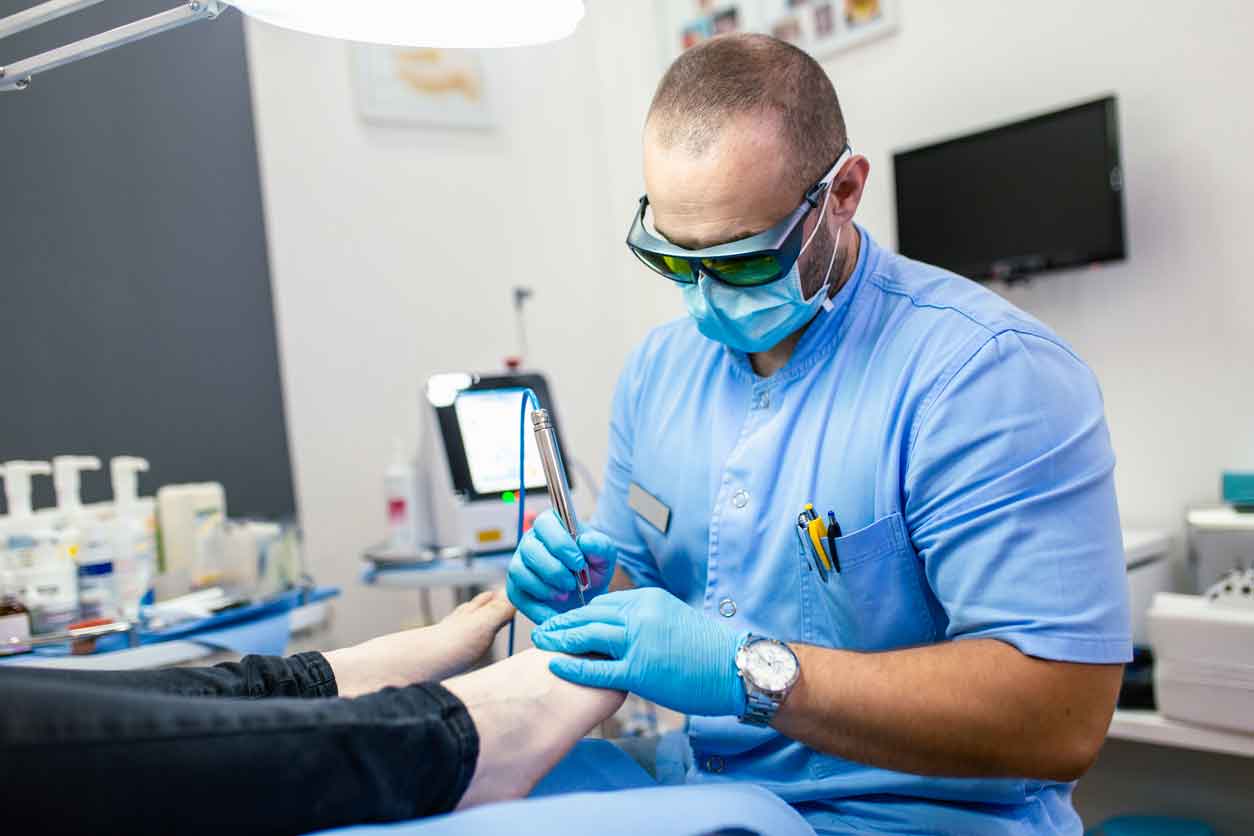
    For the ingrown nail surgery, the podiatrist will begin by numbing the toe and then will drain the inflamed area. Typically, the foot doctor will give you the option to remove just a sliver of the nail with the root (which is more aesthetically pleasing) or to remove the whole toenail, since some patients prefer not to have to bother with their nail anymore.

    There’s no need to worry! An ingrown toenail procedure is a minor surgery, which takes very little time and can often be performed right at the podiatrist’s office instead of a hospital. 

    After the ingrown toenail surgery in Baltimore, you’ll need to wear open-toed or loose fitting shoes and stay off your feet for a day or two. You’ll also need to change your bandage on a regular basis until the area has completely healed.


    How does a podiatrist remove a callus?

    A podiatrist removes a callus by carefully using a surgical blade or dremel-like tool that functions like a hand-held sanding machine. This treatment can tickle a bit especially if the podiatrist is removing calluses from the bottom of your foot, but if you’re not ticklish then this is an overall enjoyable treatment.

    When completed, the result from this callus removal is quite phenomenal. Our podiatrists in Baltimore make your feet feel smooth and brand new! 


    How much do orthotics cost from a podiatrist?

    The price for custom supports or orthotics can vary from $400 to $800 depending on the quality of material used.

    Our podiatrists in Baltimore and the surrounding areas can cast your feet for custom orthotics that will significantly improve the support for your feet, especially if you suffer from a flat foot condition or low arch.


    How to find a podiatrist?

    If you’re looking for a podiatrist and you live in the Baltimore metro and surrounding areas, then Podiatry Associates can help you with your foot and ankle treatment needs. We have many convenient locations in Maryland including:


    Podiatry Associates of Bel Air

    The best podiatrists in Bel Air, MD.

    1 N Main St.

    Bel Air, MD 21014

    Phone: 410-879-1212


    Podiatry Associates of Columbia

    The best podiatrists in Columbia, MD.

    5500 Knoll N Dr #440

    Columbia, MD 21045

    Phone: 410-730-0970


    Podiatry Associates of Baltimore (Franklin Square)

    The best podiatrists in Baltimore, MD.

    9105 Franklin Square Dr #206

    Baltimore, MD 21237

    Phone: 410-574-3900


    Podiatry Associates of Towson (GBMC)

    The best podiatrists in Towson, MD.

    6569 N Charles St # 702

    Towson, MD 21204

    Phone: 410-828-5420

    Note: GBMC Physicians Pavilion West


    Podiatry Associates of Baltimore (Medstar Good Samaritan Hospital)

    The best podiatrists in, MD.

    5601 Loch Raven Blvd # 400

    Baltimore, MD 21239

    Phone: 410-433-2500


    Podiatry Associates of Perry Hall

    The best podiatrists in Baltimore, MD.

    9712 Belair Rd # Ll3

    Baltimore, MD 21236

    Phone: 410-256-6060


    Podiatry Associates of Baltimore (UMD Midtown)

    The best podiatrists in Baltimore, MD.

    827 Linden Ave

    Baltimore, MD 21201

    Phone: 410-462-5420


    Podiatry Associates of Havre De Grace

    The best podiatrists in Havre De Grace, MD.

    1500 Blenheim, Farm Ln Suite C

    Havre De Grace, MD 21078

    Phone: 410-939-0055


    If you need to see one of our podiatrists in Baltimore and the surrounding area or have any questions about the treatments described above, check out our Podiatry Associates locations and find a podiatrist near you. Feel free to call our scheduling office to discuss your specific situation: (833) 500-FEET.


    [/et_pb_text][/et_pb_column][/et_pb_row][/et_pb_section][et_pb_section fb_built=”1″ _builder_version=”3.22″ custom_padding=”5px|0px|54px|0px|false|false” global_colors_info=”{}”][et_pb_row _builder_version=”3.25″ background_size=”initial” background_position=”top_left” background_repeat=”repeat” global_colors_info=”{}”][et_pb_column type=”4_4″ _builder_version=”3.25″ custom_padding=”|||” global_colors_info=”{}” custom_padding__hover=”|||”][et_pb_text _builder_version=”3.29.3″ global_colors_info=”{}”]

    Time to See a Podiatrist?

    If you have any of the issues described above, it’s time to consult an expert. Connect with Podiatry Associates for an evaluation. All of our doctors are board certified/qualified and we’re dedicated to preserving your foot health.

    Bookmark this Event

    [/et_pb_text][/et_pb_column][/et_pb_row][/et_pb_section]
  • How Do You Fix a Hammer Toe?

    How Do You Fix a Hammer Toe?

    [et_pb_section fb_built=”1″ _builder_version=”3.22″ custom_padding=”3px|0px|14px|0px|false|false” fb_built=”1″ bb_built=”1″ _i=”0″ _address=”0″][et_pb_row _builder_version=”3.25″ background_size=”initial” background_position=”top_left” background_repeat=”repeat” _i=”0″ _address=”0.0″][et_pb_column type=”4_4″ _builder_version=”3.25″ custom_padding=”|||” _i=”0″ _address=”0.0.0″ custom_padding__hover=”|||”][et_pb_text _builder_version=”3.29.3″ _i=”0″ _address=”0.0.0.0″]

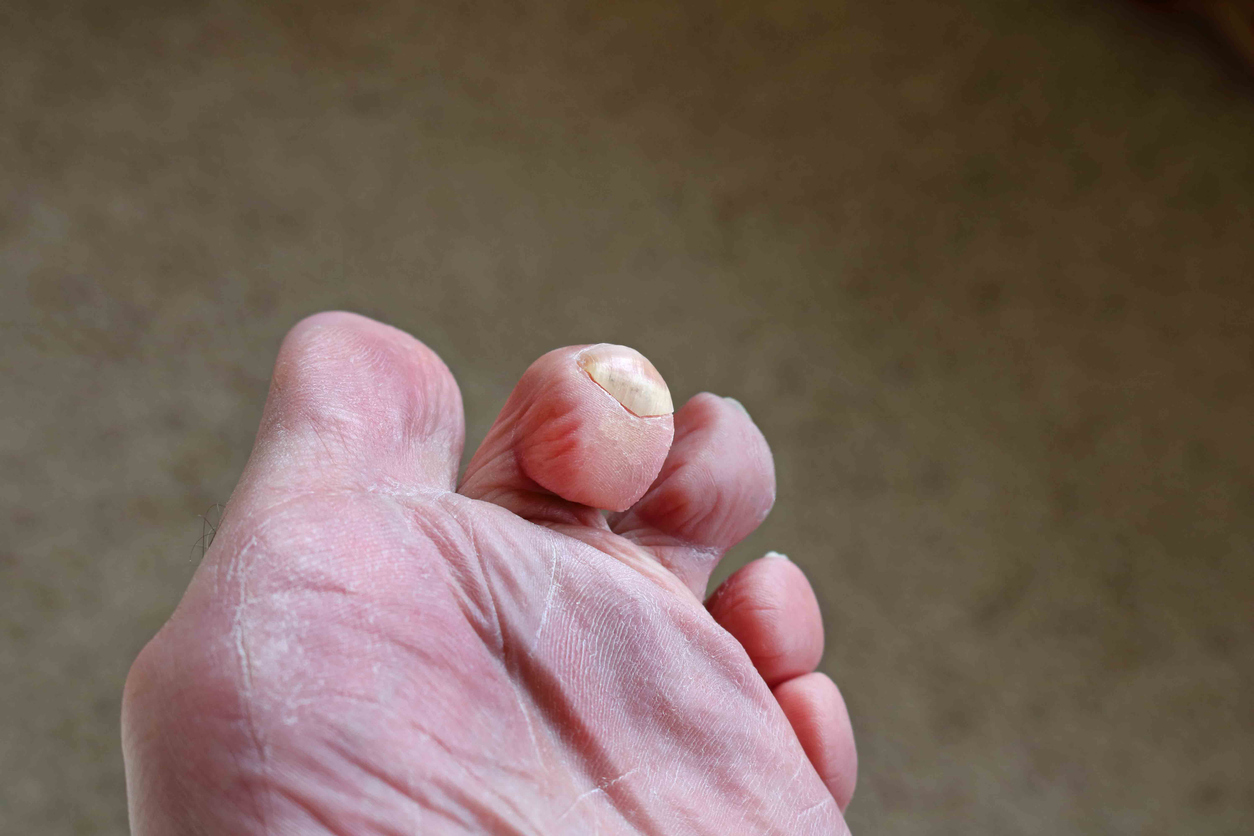
    A hammer toe (or claw toe) is the bending of the toe at the joint which occurs when a muscle imbalance in the toe causes increased pressure on the joint. You can fix hammer toes in the following ways: 

    • Padding and taping the area to minimize stress and pain
    • Medication such as anti-inflammatory drugs or cortisone injections
    • Orthotic devices to control foot function and attempt prevention of  worsening of the hammer toe
    • Surgical procedures to remove the bony prominence and restore alignment of the joint. Severe hammer toes require more complex procedures.

    The best treatment will depend on the condition of the patient. If you think you may be developing hammer toes, the best thing to do is to closely follow methods of hammer toe prevention. Consult one of our podiatrists at Podiatry Associates before deciding on any treatment.   


    Do Hammer Toes Get Worse?

    Unfortunately, hammer toes do not go away on their own and they most often get worse over time if not properly treated. How fast the hammer toe condition will worsen really depends on the particular case. The best way to find out the severity of your hammer toes is to speak to one of our podiatrists in Baltimore and the surrounding areas.

    You can schedule an evaluation of your hammer toes at Podiatry Associates with one of our many foot and ankle specialists by calling (833) 500-FEET or contacting us.


    What is the Recovery Time for Hammer Toe Surgery?

    After you’ve had hammer toe surgery in Baltimore, or your local Podiatry Associates office, the recovery time (for a healthy adult) is about 6 weeks. The time it takes to return to normal shoe wear and normal activities does depend on how serious the condition was before the surgery and can vary from 2 weeks to 3 months. 


    How to Fix Hammer Toes Without Surgery?

    If you’re wondering how to treat hammer toes without surgery, the treatment options vary depending on the type and severity of the hammer toe.

    Your podiatrist can recommend the appropriate line of treatment upon examination of the affected area. Recommendations for non-surgical hammer toe treatment could consist of:

    • Padding and taping the area to minimize stress and pain (toe splints could also be used)
    • Medication such as anti-inflammatory drugs or cortisone injections
    • Orthotics or arch support devices to control foot function and attempt prevention (or attempt to slow worsening of the hammer toe)
    • Supportive shoes with a wider toe box
    • Modify your lifestyle or eliminate activities that cause aggravation
    • Physical therapy or ultrasound techniques to strengthen the foot and toe muscles


    If you need hammer toe treatment in Baltimore and the surrounding area or have any questions about the treatments described above, check out our Podiatry Associates locations and find a podiatrist near you. Feel free to call our scheduling office to discuss your specific situation: (833) 500-FEET.


    [/et_pb_text][/et_pb_column][/et_pb_row][/et_pb_section][et_pb_section fb_built=”1″ _builder_version=”3.22″ custom_padding=”5px|0px|54px|0px|false|false” fb_built=”1″ bb_built=”1″ _i=”1″ _address=”1″][et_pb_row _builder_version=”3.25″ background_size=”initial” background_position=”top_left” background_repeat=”repeat” _i=”0″ _address=”1.0″][et_pb_column type=”4_4″ _builder_version=”3.25″ custom_padding=”|||” _i=”0″ _address=”1.0.0″ custom_padding__hover=”|||”][et_pb_text _builder_version=”3.29.3″ hover_enabled=”0″ _i=”0″ _address=”1.0.0.0″]

    Time to See a Podiatrist?

    If you have any of the issues described above, it’s time to consult an expert. Connect with Podiatry Associates for an evaluation. All of our doctors are board certified/qualified and we’re dedicated to preserving your foot health.


    Other Related Articles:

    [/et_pb_text][/et_pb_column][/et_pb_row][/et_pb_section]

  • What are the Misconceptions about Ingrown Toenails?

    What are the Misconceptions about Ingrown Toenails?

    [et_pb_section fb_built=”1″ _builder_version=”3.22″ custom_padding=”3px|0px|14px|0px|false|false” bb_built=”1″ _i=”0″ _address=”0″][et_pb_row _builder_version=”3.25″ background_size=”initial” background_position=”top_left” background_repeat=”repeat” _i=”0″ _address=”0.0″][et_pb_column type=”4_4″ _builder_version=”3.25″ custom_padding=”|||” _i=”0″ _address=”0.0.0″ custom_padding__hover=”|||”][et_pb_text _builder_version=”3.27.4″ _i=”0″ _address=”0.0.0.0″]

    Normally, your toenails should continue to grow straight, but sometimes you can develop an issue like an ingrown toenail. This happens when your toenail grows into the side or corner of your nail bed. An ingrown toenail is a very common issue and often develops in one of your big toes or halluxes. The nail can dive deep into the side of your toenail bed and cause irritation like redness, swelling, and sometimes infection. Here are other causes and symptoms of ingrown toenails.

    A lot of people know that the best way to deal with an ingrown toenail is to see your podiatrist. However, some individuals have fallen to believe in some misconceptions about ingrown toenails and are hesitant to go for surgery to remove ingrown toenail.


    Do Ingrown Toenails Consistently Leave on Their Own?

    No. Quite the opposite, if you leave the ingrown toenail alone and don’t deal with it properly, it can keep returning. Moreover, the cause of your foot pain could be more serious than you think, such as an infection that needs immediate attention. It’s always safer to check with your podiatrist for a proper diagnosis. 


    Can Ingrown Toenail Treatment Be Performed at Home?

    No. While it is true that there are a few simple home remedies that can somewhat help your ingrown toenail,  you should consult a podiatrist about ingrown nail surgery, especially if your ingrown toenail keeps coming back. Also, ingrown toenails are performed as an in-office surgery by the podiatrist instead of the hospital, which makes the experience much more tolerable.


    Footwear Can’t Be the Cause of Ingrown Toenails, Right?

    No. Tragically, a large number of individuals believe this misconception. Wearing appropriately fitting and supportive footwear has a HUGE impact on the health of your feet. If your shoes are too loose or too tight in the toe area, this can definitely irritate your toes and can lead to recurring ingrown toenails. 


    Does Cutting an Indent or Bend in the Nail Cause it to Develop Correctly?

    No. This is just not the case. Whether you have an ingrown toenail or not, there is only one appropriate way to trim your nails. You should cut the white tips of your nails across the top so that there is only a thin strip of white remaining. You should never cut the side of your nail. Cutting an indent or bend in the side of your nail will not help since the cause of the problem is at the root of your nail. As long as that part of the nail root is still alive, it will continue to grow that part of the nail that is irritating the corner of your toe. When the podiatrist numbs your toe and performs the minor ingrown toenail surgery, he will split the nail at the correct distance from the edge of the toenail bed and then use a dab of medicine to kill that extra section of your nail bed, which is creating the problem. 


    Does Lifting an Ingrown Toenail with Dental Floss at Home Take Care of the Issue?

    No. Some individuals think that they can fix their ingrown toenail by lifting it with some dental floss. Again, as discussed above, the issue is at the root of the nail. It’s not a matter of simply changing the direction that the nail is growing. The podiatrist most likely needs to eliminate a small section of your nail root so that your nail doesn’t keep growing into the edge of your toe and keep irritating it. Using dental floss to pull your nail could potentially cause more damage and pain to your ingrown toenail. Please call Podiatry Associates and schedule an appointment for your ingrown toenail.  


    If you’re wondering when you should go to the doctor for an ingrown toenail, remember that your health is very precious and worth the time and attention of a doctor. If you need ingrown toenail treatment in the Baltimore and the surrounding areas or have any questions about the treatments described above, check out our Podiatry Associates locations and find a podiatrist near you. Feel free to call our scheduling office to discuss your specific situation: (833) 500-FEET.

    [/et_pb_text][/et_pb_column][/et_pb_row][/et_pb_section][et_pb_section fb_built=”1″ _builder_version=”3.22″ custom_padding=”5px|0px|54px|0px|false|false” bb_built=”1″ _i=”1″ _address=”1″][et_pb_row _builder_version=”3.25″ background_size=”initial” background_position=”top_left” background_repeat=”repeat” _i=”0″ _address=”1.0″][et_pb_column type=”4_4″ _builder_version=”3.25″ custom_padding=”|||” _i=”0″ _address=”1.0.0″ custom_padding__hover=”|||”][et_pb_text _builder_version=”3.29.3″ hover_enabled=”0″ _i=”0″ _address=”1.0.0.0″]

    Time to See a Podiatrist?

    If you have any of the issues described above, it’s time to consult an expert. Connect with Podiatry Associates for an evaluation. All of our doctors are board certified/qualified and we’re dedicated to preserving your foot health.


    Other Related Articles:

    [/et_pb_text][/et_pb_column][/et_pb_row][/et_pb_section]

  • What is Diabetic Foot Pain?

    What is Diabetic Foot Pain?

    [et_pb_section fb_built=”1″ _builder_version=”3.22″ custom_padding=”3px|0px|14px|0px|false|false” bb_built=”1″ _i=”0″ _address=”0″][et_pb_row _builder_version=”3.25″ background_size=”initial” background_position=”top_left” background_repeat=”repeat” _i=”0″ _address=”0.0″][et_pb_column type=”4_4″ _builder_version=”3.25″ custom_padding=”|||” _i=”0″ _address=”0.0.0″ custom_padding__hover=”|||”][et_pb_text _builder_version=”3.27.4″ _i=”0″ _address=”0.0.0.0″]

    Diabetic foot pain is often caused by Peripheral Neuropathy, which is a nerve problem directly caused by the disease of diabetes. This nerve pain can take the form of burning, aching, shooting pain, or tingling in your feet. 


    How to Relieve Diabetic Foot Pain?

    You can use home remedies and well as medical treatments to help you relieve diabetic foot pain. The best diabetic foot care will depend on your specific case. Check with your podiatrist to see if any of the below remedies are right for your condition.

    • Contrast Baths are a great way to alleviate foot pain. Stick your feet in a tub of ice cubes and water for approximately 3 minutes or until you feel pins and needles and then remove to bring back to room temperature. 
    • Try a tumeric supplement. The anti-inflammatory benefits of curcumin in tumeric have been known to relieve nerve pain.
    • Soak your feet in epsom salts or apple cider vinegar solution
    • Deep massaging your feet
    • Regular non-impact exercise like swimming, cycling, yoga, or tai chi


    How to Treat Diabetic Foot Pain?

    More professional treatments may consist of the following. The best diabetic foot treatment in Baltimore will depend on your individual case of diabetic foot pain. Before trying any of the below remedies, check with one of our podiatrists in Baltimore if each treatment is right for you.

    • Wearing more supportive shoes or fitted foot orthotics 
    • Magnetic, laser or light therapy
    • Electrical nerve stimulation

    Make sure that you schedule an appointment with one of our podiatrists in Baltimore to see what treatment is right for you.

    If you need diabetic foot treatment in the Baltimore and the surrounding areas or have any questions about the treatments described above, check out our Podiatry Associates locations and find a podiatrist near you. Feel free to call our scheduling office to discuss your specific situation: (833) 500-FEET.

    [/et_pb_text][/et_pb_column][/et_pb_row][/et_pb_section][et_pb_section fb_built=”1″ _builder_version=”3.22″ custom_padding=”5px|0px|54px|0px|false|false” bb_built=”1″ _i=”1″ _address=”1″][et_pb_row _builder_version=”3.25″ background_size=”initial” background_position=”top_left” background_repeat=”repeat” _i=”0″ _address=”1.0″][et_pb_column type=”4_4″ _builder_version=”3.25″ custom_padding=”|||” _i=”0″ _address=”1.0.0″ custom_padding__hover=”|||”][et_pb_text _builder_version=”3.29.3″ hover_enabled=”0″ _i=”0″ _address=”1.0.0.0″]

    Time to See a Podiatrist?

    If you have any of the issues described above, it’s time to consult an expert. Connect with Podiatry Associates for an evaluation. All of our doctors are board certified/qualified and we’re dedicated to preserving your foot health.


    Other Related Articles:

    [/et_pb_text][/et_pb_column][/et_pb_row][/et_pb_section]
  • When Should You Go to the Doctor for an Ingrown Toenail?

    When Should You Go to the Doctor for an Ingrown Toenail?

    [et_pb_section fb_built=”1″ _builder_version=”3.22″ custom_padding=”3px|0px|14px|0px|false|false” fb_built=”1″ bb_built=”1″ _i=”0″ _address=”0″][et_pb_row _builder_version=”3.25″ background_size=”initial” background_position=”top_left” background_repeat=”repeat” _i=”0″ _address=”0.0″][et_pb_column type=”4_4″ _builder_version=”3.25″ custom_padding=”|||” _i=”0″ _address=”0.0.0″ custom_padding__hover=”|||”][et_pb_text _builder_version=”3.29.3″ hover_enabled=”0″ _i=”0″ _address=”0.0.0.0″]

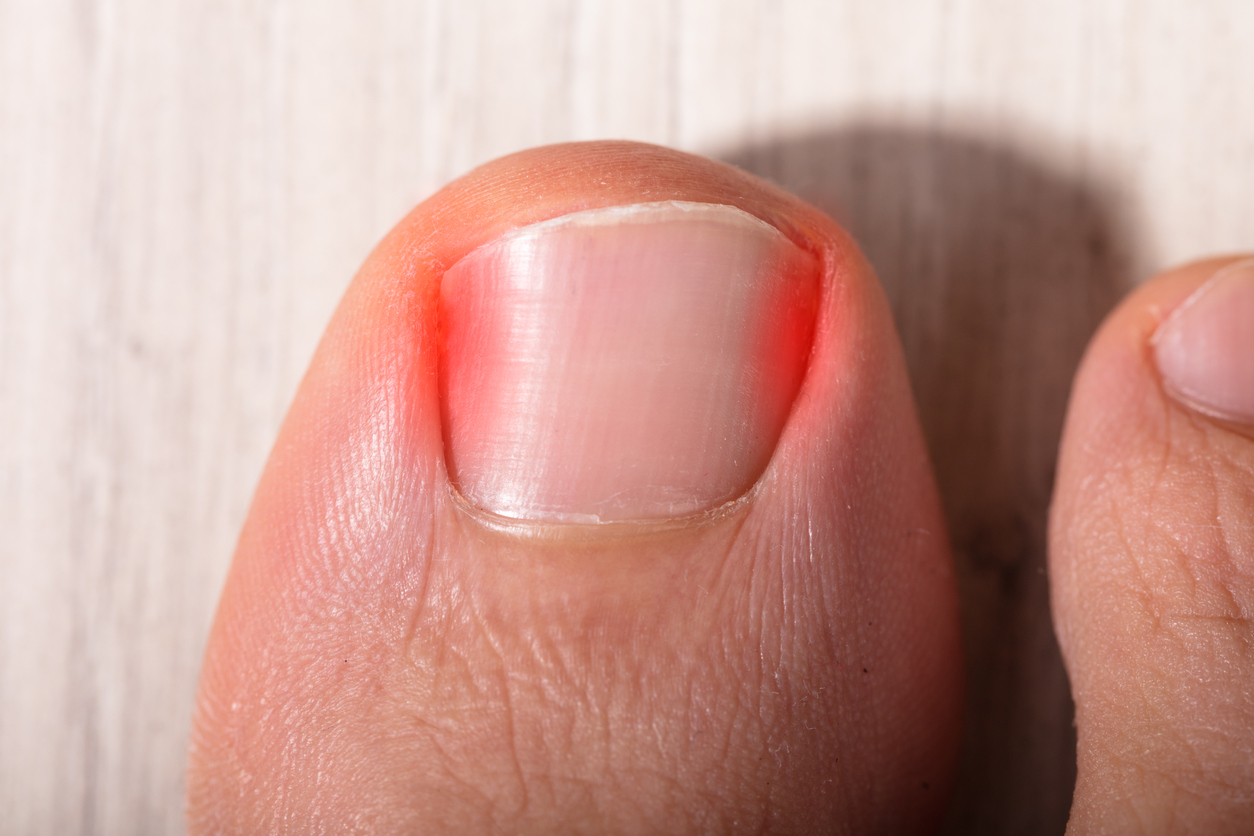
    An ingrown toenail can sometimes be managed on your own, but here at Podiatry Associates in Baltimore, we always recommend medical attention, especially since an infection may occur in the toenail. If you detect any signs of an ingrown toenail infection like pain, swelling, irritation, abscess, redness, you should immediately go to see a foot doctor or podiatrist. Ingrown nail surgery can be provided by any one of our podiatrists.  If you find any signs of infection, you should take care to seek immediate medical attention.


    What happens if you leave an ingrown toenail alone?

    If the infected ingrown toenail is left unaddressed, then it can cause further infection and pain. The infection can spread to the underlying area and may lead to bone infection which is very serious.  So, if infection occurs in ingrown toenail, it should not be left untreated otherwise serious complications can occur.   It can be very painful and debilitating.    

    An infected toenail may feel warm to touch, and in some cases an abscess may be present which can cause fever symptoms.   The infected ingrown toenail causes severe pain and discomfort accompanied with bleeding, swelling, throbbing, and redness around the area.    

    If you have diabetes or peripheral arterial disease, you need to be more vigilant, otherwise you can have very serious complications.    

    Ingrown toenail removal surgery can be performed to relieve the patient of pain and other discomfort.  


    How does a doctor fix an ingrown toenail?

    There are a few different types of treatments and surgery for ingrown toenails such as inserting a wedge of medicated cotton between your nail and the inflamed skin to relieve the pain and drain the infection. The abscess can also be drained through an incision which is made after giving local anesthesia.  Following the drainage, the surgeon places a sterile gauze to allow drainage for 1-2 days and remove the infection. The surgeon may prescribe antibiotic ointments and tablets to dry the infection and in other cases surgical excision of the ingrown toenail is done to relieve the patient of any pain and complications.  

    If you find infection in your ingrown toenail, and you want the best care, you should immediately schedule an appointment with one of our podiatrists.


    What is the main cause of ingrown toenails?

    With the change in the shape of your toenail, the ridges that hold your toe in place can lose their connection. This can cause the toenail to grow into the sides or corners of your skin. This is called an ingrown toenail. 

    Infection in an ingrown toenail can occur due to improper or tight-fitting shoes, inappropriate trimming of toenails, fungal infection of the nail, injury or trauma around the nail area, heredity etc.

    If you need ingrown toenail treatment in the Baltimore and the surrounding areas or have any questions about the treatments described above, check out our Podiatry Associates locations and find a podiatrist near you. Feel free to call our scheduling office to discuss your specific situation: (833) 500-FEET.

    [/et_pb_text][/et_pb_column][/et_pb_row][/et_pb_section][et_pb_section fb_built=”1″ _builder_version=”3.22″ custom_padding=”5px|0px|54px|0px|false|false” fb_built=”1″ bb_built=”1″ _i=”1″ _address=”1″][et_pb_row _builder_version=”3.25″ background_size=”initial” background_position=”top_left” background_repeat=”repeat” _i=”0″ _address=”1.0″][et_pb_column type=”4_4″ _builder_version=”3.25″ custom_padding=”|||” _i=”0″ _address=”1.0.0″ custom_padding__hover=”|||”][et_pb_text _builder_version=”3.29.3″ _i=”0″ _address=”1.0.0.0″]

    Time to See a Podiatrist?

    If you have any of the issues described above, it’s time to consult an expert. Connect with Podiatry Associates for an evaluation. All of our doctors are board certified/qualified and we’re dedicated to preserving your foot health.


    Other Related Articles:

    [/et_pb_text][/et_pb_column][/et_pb_row][/et_pb_section]

  • Causes and Symptoms of Ingrown Toenails

    Causes and Symptoms of Ingrown Toenails

    [et_pb_section fb_built=”1″ _builder_version=”3.22″ custom_padding=”3px|0px|14px|0px|false|false” fb_built=”1″ bb_built=”1″ _i=”0″ _address=”0″][et_pb_row _builder_version=”3.25″ background_size=”initial” background_position=”top_left” background_repeat=”repeat” _i=”0″ _address=”0.0″][et_pb_column type=”4_4″ _builder_version=”3.25″ custom_padding=”|||” _i=”0″ _address=”0.0.0″ custom_padding__hover=”|||”][et_pb_text _builder_version=”3.27.4″ _i=”0″ _address=”0.0.0.0″]

    When it comes to taking care of your feet, you’ll know when you have an ingrown toenail. The nail, typically the large toenail, starts growing into the side of your toe, creating a lot of pain and red swelling in that area. 

    What are the symptoms for an ingrown toenail?

    Here are some of the common symptoms that indicate you may have an ingrown toenail:

    • Redness around the toe and nails area, leading to excessive pain
    • Bleeding from the nails
    • Pus formation in the toenails
    • Infection both in the inner corners and the outer corners of the toes
    • Excessive swelling of the toenails

    If any of these symptoms arise, especially an infection, it is important to contact one of our podiatrists in Baltimore, who can conduct ingrown toenail removal surgery so that the root of the nail can be removed, and your foot can find relief. 


    What is involved with ingrown toenail surgery?

    For the ingrown nail surgery, typically the podiatrist will give you the option to remove just a sliver of the nail with the root (which is more aesthetically pleasing) or to remove the whole toenail, since some patients prefer not to have to bother with their nail anymore.

    There’s no need to worry! An ingrown toenail procedure may be a minor surgery, which takes very little time and can often be performed right at the podiatrist’s office instead of a hospital. 

    After the surgery, you’ll need to wear open-toed or loose fitting shoes and stay off your feet for a day or two, but your feet will thank you later for making the decision to get this procedure done.


    Who can develop ingrown toenails? 

    The condition of an ingrown toenail can affect anyone, but it is most common in adults and teenagers. 


    What are the common causes of ingrown toenails?

    Ingrown toenails can develop  in various ways, such as:

    • Not cutting the toenails properly can cause the nail to grow in a haphazard manner that digs into the side of the toe, leading to an ingrown toenail. 
    • Irregular nails can also lead to such a condition
    • Accidentally dropping something heavy on your toenail, then improper treatment of the injury can also lead to the growth of ingrown toenails. It would be best to contact our podiatric surgeons in Baltimore in order to treat the condition with a minor ingrown toenail procedure. 
    • Improperly fitted shoes can also irritate the nail bed, causing an ingrown toenail


    Can an ingrown toenail heal by itself?

    On rare occasions, an ingrown toenail can heal on its own, but typically it requires ingrown toenail surgery to cure the condition completely. 

    If you need ingrown toenail treatment in Baltimore and the surrounding areas or have any questions about the treatments described above, check out our Podiatry Associates locations and find a podiatrist near you. Feel free to call our scheduling office to discuss your specific situation: (833) 500-FEET.

    [/et_pb_text][/et_pb_column][/et_pb_row][/et_pb_section][et_pb_section fb_built=”1″ _builder_version=”3.22″ custom_padding=”5px|0px|54px|0px|false|false” fb_built=”1″ bb_built=”1″ _i=”1″ _address=”1″][et_pb_row _builder_version=”3.25″ background_size=”initial” background_position=”top_left” background_repeat=”repeat” _i=”0″ _address=”1.0″][et_pb_column type=”4_4″ _builder_version=”3.25″ custom_padding=”|||” _i=”0″ _address=”1.0.0″ custom_padding__hover=”|||”][et_pb_text _builder_version=”3.29.3″ hover_enabled=”0″ _i=”0″ _address=”1.0.0.0″]

    Time to See a Podiatrist?

    If you have any of the issues described above, it’s time to consult an expert. Connect with Podiatry Associates for an evaluation. All of our doctors are board certified/qualified and we’re dedicated to preserving your foot health.


    Other Related Articles:

    [/et_pb_text][/et_pb_column][/et_pb_row][/et_pb_section]

  • Everything You Need To Know About A Podiatrist

    Everything You Need To Know About A Podiatrist

    [et_pb_section bb_built=”1″ _builder_version=”3.20.2″ custom_padding=”3px|0px|14px|0px|false|false” next_background_color=”#000000″][et_pb_row _builder_version=”3.20.2″ background_size=”initial” background_position=”top_left” background_repeat=”repeat”][et_pb_column type=”4_4″][et_pb_text _builder_version=”3.20.2″]

    Suffering from foot problems and finding it troublesome to carry out your daily routine? This means you should schedule an appointment with one of our podiatrists in Baltimore. But before that, here are some questions you may have about podiatrists:


    What’s a Podiatrist’s Medical Education?

    Talking about their medical training, podiatrists accomplish four years of study and training in podiatric medical school. Then they gain experience in at least three years of residency training in hospitals and clinics. They are certified by the American Board of Podiatric Medicine once they pass all their exams. Most podiatrists also specialize in foot surgery and must have a licence to do so. 


    What Do Podiatrists Specialize In?

    Podiatrists usually are specialists in foot and ankle injuries, foot surgery, wound care treatment, diabetic foot treatment, ingrown toenail surgery, and other forms of foot care as well. You might as well go for a monthly or a yearly check up even if you feel there is nothing wrong. They can peel off hard skin off your feet and groom your toenails properly. And that’s not all – they will also advise you on what shoes are best for your specific feet as well!


    What Common Foot Problems Do Podiatrists Treat?

    Common problems that podiatrists deal with include ingrown toenails, blisters, warts, corns, calluses, bunions, nail infections, foot infections, smelly feet, heel pain, heel spurs, dry or cracked skin on your heels, flat feet, hammertoes, neuromas, sprains, foot arthritis, foot injuries, foot ligament or muscle pain. Other specific issues they focus on include tumors, wound care, fractures of broken bones, ulcers, walking patterns etc. If you have a problem with your foot or ankle, chances are that your local podiatrist in Baltimore can help you out.

    While we’re on the topic of common foot problems, here are some risk factors that can trigger common foot issues: obesity, arthritis, diabetes, heart diseases, high cholesterol, wearing shoes that don’t fit properly or lack sufficient support, etc. A podiatrist should ask you about your lifestyle habits and any known chronic illnesses so that he/she will be able to focus on the source of the issue and reach a diagnosis and plan of treatment.


    Why Do I Need to See a Podiatrist?

    If you’re considering seeing a podiatrist in Baltimore, here are a few reasons that should help you realize your need to schedule an appointment with them:

    • If you are having pain in your foot, the podiatrist will help you discover the source of the issue so that you can properly treat the issue and heal. Take an ingrown toenail infection for example. Some people try ignoring it, hoping it will go away. When instead, the doctor can simply surgically remove a sliver of the nail at the corner so that you toe won’t become inflamed like that again.
    • Flat feet are also a common issue podiatrists deal with. A podiatrist will take molds of your feet to make custom foot support shoe inserts for you called orthotics.
    • Have diabetes? It’s wise to schedule routine visits to the podiatrist to treat  numbness, pain, and open wounds such as ulcers on your feet and legs. Here are the diabetic foot care treatments that are best left to your podiatrist – aka, don’t try this at home.


    No matter what your foot and ankle problem may be, Podiatry Associates can help are the best podiatrists in Baltimore. They have been providing quality foot care services for decades. Check out our list of podiatry office locations in Baltimore and surrounding areas and schedule your appointment today. Feel free to call our scheduling office to discuss your specific situation: (833) 500-FEET.


    [/et_pb_text][/et_pb_column][/et_pb_row][/et_pb_section][et_pb_section bb_built=”1″ _builder_version=”3.0.47″ custom_padding=”5px|0px|54px|0px|false|false” prev_background_color=”#000000″][et_pb_row _builder_version=”3.0.48″ background_size=”initial” background_position=”top_left” background_repeat=”repeat”][et_pb_column type=”4_4″][et_pb_text _builder_version=”3.20.2″]

    Time to See a Podiatrist?

    If you have any of the issues described above, it’s time to consult an expert. Connect with Podiatry Associates for an evaluation. All of our doctors are board certified/qualified and we’re dedicated to preserving your foot health.

    Bookmark this Event

    [/et_pb_text][/et_pb_column][/et_pb_row][/et_pb_section]
  • A Guide For Bunions

    A Guide For Bunions

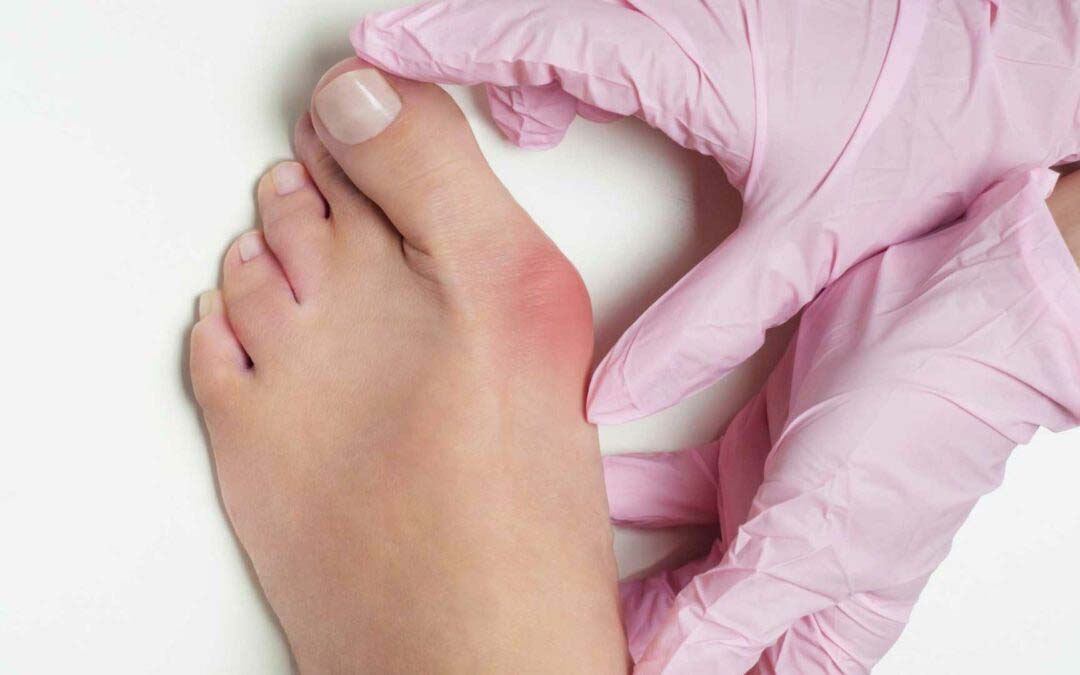
    Bunions are a common and frustrating condition. About 23% of people age 18 to 65 will develop them over the course of their lifetime and more than one-third of people over age 65 have them.

    Here’s a guide to bunions, also known as hallux valgus, from how they develop on the feet to tips for treating them with the help of a podiatrist.

    What is a Bunion?

    A bunion forms when the joint of the moves out of place, causing the affected toe to stick out or develop a bump. While minor bunions may not be bothersome, a more serious bunion can cause significant pain.

    Not all bunions are on the big toe, although this is the most common spot. They also occur on the outside of the foot, at the join of the littlest toe. Small bunions on the little toe are often called bunionettes or tailor’s buttons.

    Why Do I Have Bunions?

    We hate to tell you this, but it might just be genetic. Bunions run in families. This foot problem in a parent can easily develop in their child too.

    Women are more likely to have bunions than men due to the hormones that come with puberty and pregnancy. People of European descent are also more likely to have bunions.

    Sometimes bunions form due to ill-fitting footwear or repetitive motion issues. Wearing high heels is a known contributor to bunion development. The same goes for wearing shoes that are too tight or playing a sport that aggravates a toe joint problem.

    Many bunions form simply due to age. Older adults are much more likely to have bunions than children and young adults. About 60% of older adults over age 55 have experienced at least one bunion.

    What Does a Bunion Feel Like?

    Bunions are painful. When the toe joint is displaced, the early feeling is one of pressure or rubbing. As the bunion progresses, you may have intense, pressing pain or stabbing feelings in your toe or foot.

    Over time, the bunion may cause you to develop a limp or affect your ability to walk completely upright. Women who wear high heels may find themselves unable to wear them any longer. In fact, anyone with bunions can find it painful to simply put on their shoes in the morning.

    What if It’s Not a Bunion?

    This is a good question to ask. Don’t assume something is a bunion without having it evaluated by a podiatrist.

    Gout, for example, sometimes masquerades as a bunion. Swelling and redness in the feet causes people to mistake one condition for the other.

    Arthritis in the big toe joint is another possibility due to similar feelings of pain and stiffness.

    Cysts, specifically ganglion cysts, can also seem like bunions. A podiatrist can examine your feet and tell you for sure.

    What Can I Do About Bunions?

    There is a wide variety of treatments available for bunions. Here’s a roundup of possibilities, although your doctor should help you decide which are best for your specific situation.

    Shoes
    Ensure your shoes have plenty of room in the toe box (the part surrounding your toes) without friction, sliding, and squeezing. They should have flat soles and cushioned bottoms. Buy your shoes in the afternoon, after your feet have experienced natural swelling, so you don’t accidentally buy them too small.

    Insoles and orthotics
    A podiatrist can recommend special insoles that support your feet and promote a proper gait. They’re much better than drugstore shoe inserts, which aren’t tailored to your feet and in some cases can make bunions worse.

    Bunion pads, tapes, separators
    Non-medicated pads and tapes are a solution that may be recommended by your podiatrist. These are sometimes used in conjunction with toe separators, which ease pain and prevent worsening of the bunion.

    Ice packs
    You can use ice to reduce inflammation and give yourself some relief from the pain. Don’t apply ice directly to the bunion; use a bag or fabric to create a gentle barrier between your skin and the ice.

    Medications and injections
    Your doctor may recommend non-inflammatory medications or a cortisone injection to help with pain and swelling.

    Surgery
    Podiatric surgery may be required to cut the bone and realign the joint. For less severe bunions, a surgery called a bunionectomy can remove the bony lump and give you some relief.

    Do I Need to See a Podiatrist?

    If you have any of the issues described above, or are curious about your bunion treatment options, it’s time to consult an expert. Connect with Podiatry Associates for an evaluation. We’re dedicated to preserving your foot health.