Category: Diabetic Foot Care

  • Diabetes and its Impact on Wound Recovery

    [et_pb_section fb_built=”1″ _builder_version=”4.16″ custom_padding=”3px|0px|14px|0px|false|false” global_colors_info=”{}”][et_pb_row _builder_version=”4.16″ background_size=”initial” background_position=”top_left” background_repeat=”repeat” global_colors_info=”{}”][et_pb_column type=”4_4″ _builder_version=”4.16″ custom_padding=”|||” global_colors_info=”{}” custom_padding__hover=”|||”][et_pb_text _builder_version=”4.18.0″ hover_enabled=”0″ global_colors_info=”{}” sticky_enabled=”0″]

    Understanding the Link Between Diabetes and Slow Wound Healing

    Diabetes, a condition where the body struggles to regulate sugar levels, can lead to prolonged wound healing times. How? The continuous presence of high blood glucose levels impacts multiple bodily systems, leading to an array of complications.

    One of the primary issues with elevated glucose levels is that it can lead to arterial stiffening and blood vessel constriction. Additionally, diabetic neuropathy, a byproduct of high sugar levels, can result in nerve damage, predominantly affecting the extremities such as the legs and arms. These diabetes-induced conditions heighten the risk associated with foot ulcers and other wounds, and unfortunately, they also hinder the body’s healing mechanisms.

    For residents in Baltimore and nearby regions, expert diabetic foot ulcer care is readily accessible at our numerous podiatry clinics. Our accredited podiatrists specialize in diabetic foot ulcer management, ensuring patients receive the best and safest care. It’s imperative to remember that for those with diabetes, even minor injuries like small cuts, blisters, or ingrown toenails can escalate rapidly. Conditions such as skin ulcers and calluses might compromise tissue integrity, thereby raising the likelihood of infections. Hence, prompt and effective diabetic wound care is not just recommended—it’s essential.

    The Numbness Dilemma: Diabetic Neuropathy

    Diabetic neuropathy presents a unique challenge for patients, stemming from the havoc high blood sugar wreaks on nerves. This nerve degradation often results in reduced pain sensitivity, especially in the limbs. With diminished sensation, patients might unintentionally neglect early signs of blisters, injuries, or infections. Such oversight can lead to complications, as unnoticed wounds can deteriorate further, complicating the healing process once they are eventually identified.

    The Impact of Circulation Issues on Wound Healing in Diabetes

    Effective wound healing hinges on optimal blood circulation. However, diabetes introduces obstacles in this process, as circulation issues can hinder the necessary oxygen flow to wounds. The heightened glucose levels not only impair the efficiency of red blood cells—responsible for nutrient delivery to the wound—but also compromise the capability of white blood cells to combat infections. Consequently, the healing journey faces additional hurdles. With increased blood sugar levels, the body’s defense mechanisms against infections weaken, elevating the risk of potential complications.

    Navigating the Elevated Wound Risks of Diabetes

    Diabetes poses an increased risk for several health complications, including foot ulcers, gangrene, sepsis, and bone infections like osteomyelitis. These foot ulcers, in particular, are susceptible to infections, often becoming chronic and leading to severe outcomes such as limb amputation.

    For individuals with diabetes, proactive self-care is essential. Implementing daily self-checks for ulcers or wounds and actively managing diabetes can substantially improve the healing trajectory for any present injuries. Should you notice any signs of a developing wound, seeking prompt consultation with a podiatrist, especially one specializing in diabetic foot ulcer treatment, can make a significant difference.

    For those in Baltimore and its neighboring regions, our centers offer specialized care for diabetic foot ulcers. To explore your treatment options and ensure you receive the best care, reach out to schedule an appointment at our facilities. To discuss your unique needs, you’re welcome to contact our scheduling office directly at (833) 500-3338.

    Is it Time for Expert Care?

    If any of the aforementioned concerns resonate with you, it’s crucial to engage with a professional. The team at MVS Podiatry Associates is here to guide you. All our doctors have board certification or qualification, emphasizing our commitment to your foot health.

    [/et_pb_text][/et_pb_column][/et_pb_row][/et_pb_section][et_pb_section fb_built=”1″ _builder_version=”4.16″ custom_padding=”5px|0px|54px|0px|false|false” global_colors_info=”{}”][et_pb_row _builder_version=”4.16″ background_size=”initial” background_position=”top_left” background_repeat=”repeat” global_colors_info=”{}”][et_pb_column type=”4_4″ _builder_version=”4.16″ custom_padding=”|||” global_colors_info=”{}” custom_padding__hover=”|||”][et_pb_text _builder_version=”4.18.0″ hover_enabled=”0″ global_colors_info=”{}” sticky_enabled=”0″]

    Other Related Articles:


    [/et_pb_text][/et_pb_column][/et_pb_row][/et_pb_section]

  • Diabetic Foot Ulcers: Understanding, Treating, and Preventing Them

    [et_pb_section fb_built=”1″ _builder_version=”4.18.0″ custom_padding=”3px|0px|14px|0px|false|false” global_colors_info=”{}”][et_pb_row _builder_version=”4.16″ background_size=”initial” background_position=”top_left” background_repeat=”repeat” global_colors_info=”{}”][et_pb_column type=”4_4″ _builder_version=”4.16″ custom_padding=”|||” global_colors_info=”{}” custom_padding__hover=”|||”][et_pb_text _builder_version=”4.18.0″ global_colors_info=”{}”]

    Diabetic foot ulcers are a common complication of diabetes that can lead to serious health problems if left untreated. In this article, we will discuss what diabetic foot ulcers are, what causes them, the symptoms to look out for, treatment options, and how to prevent them.


    What Causes Diabetic Foot Ulcers?

    Diabetic foot ulcers are caused by a combination of factors, including nerve damage, poor circulation, and infection. High blood sugar levels can cause damage to the nerves and blood vessels in the feet, making it difficult to detect injuries and increasing the risk of infection. Other risk factors for diabetic foot ulcers include smoking, obesity, and a history of foot ulcers. Foot deformities and improper footwear can also contribute to the development of foot ulcers in people with diabetes. Effective management of blood sugar levels and regular foot care can help prevent the development of foot ulcers.


    Symptoms of Diabetic Foot Ulcers

    Common symptoms of diabetic foot ulcers include pain, swelling, redness, and warmth in the affected area. Open sores or wounds that do not heal are also a common symptom of diabetic foot ulcers. Tingling or numbness in the feet, as well as changes in skin color or texture, may also be present. If left untreated, diabetic foot ulcers can lead to serious complications, including infection, gangrene, and amputation. Early detection and prompt treatment of diabetic foot ulcers are essential to prevent these complications.


    Treatment Options for Diabetic Foot Ulcers

    Treatment options for diabetic foot ulcers may include wound care, antibiotics, and surgery. Wound care may involve cleaning and dressing the affected area and removing any dead or infected tissue. Antibiotics may be prescribed to treat any underlying infection. Surgery may be necessary to remove damaged tissue or address other complications. Effective management of blood sugar levels and other underlying health conditions is also an important part of treating diabetic foot ulcers.


    Preventing Diabetic Foot Ulcers

    Preventing diabetic foot ulcers involves regular foot care, including daily washing and inspection of the feet for any signs of injury. Proper footwear, including shoes that fit well and provide adequate support, can help prevent foot injuries and ulcers. Effective management of blood sugar levels and other underlying health conditions, such as high blood pressure and high cholesterol, can help reduce the risk of foot ulcers. Smoking cessation and weight management can also help prevent foot ulcers in people with diabetes. Regular check-ups with a podiatrist can help individuals with diabetes detect and address foot problems early.

    Diabetic foot ulcers are a serious complication of diabetes that can lead to severe health problems if left untreated. Effective management of blood sugar levels, regular foot care, and early detection and treatment of foot ulcers are essential to prevent complications. If you have diabetes, it is essential to pay close attention to your feet and consult a podiatrist if you notice any signs of foot ulcers or other foot problems. By taking good care of your feet and managing your diabetes effectively, you can prevent diabetic foot ulcers and maintain your overall health and well-being.

    [/et_pb_text][/et_pb_column][/et_pb_row][/et_pb_section]

  • What exactly is Onychomycosis, also known as toenail fungus?

    What exactly is Onychomycosis, also known as toenail fungus?

    [et_pb_section fb_built=”1″ _builder_version=”4.16″ custom_padding=”3px|0px|14px|0px|false|false” global_colors_info=”{}”][et_pb_row _builder_version=”4.16″ background_size=”initial” background_position=”top_left” background_repeat=”repeat” global_colors_info=”{}”][et_pb_column type=”4_4″ _builder_version=”4.16″ custom_padding=”|||” global_colors_info=”{}” custom_padding__hover=”|||”][et_pb_text _builder_version=”4.18.0″ hover_enabled=”0″ global_colors_info=”{}” sticky_enabled=”0″]

    At MVS Podiatry Associates in Columbia, we treat numerous patients annually who suffer from onychomycosis, or toenail fungus. Although this condition is typically not life-threatening, it can have a negative impact on self-esteem due to the unsightly changes it causes to toenails. For individuals with autoimmune disorders such as diabetes, it can pose a significant risk to health.

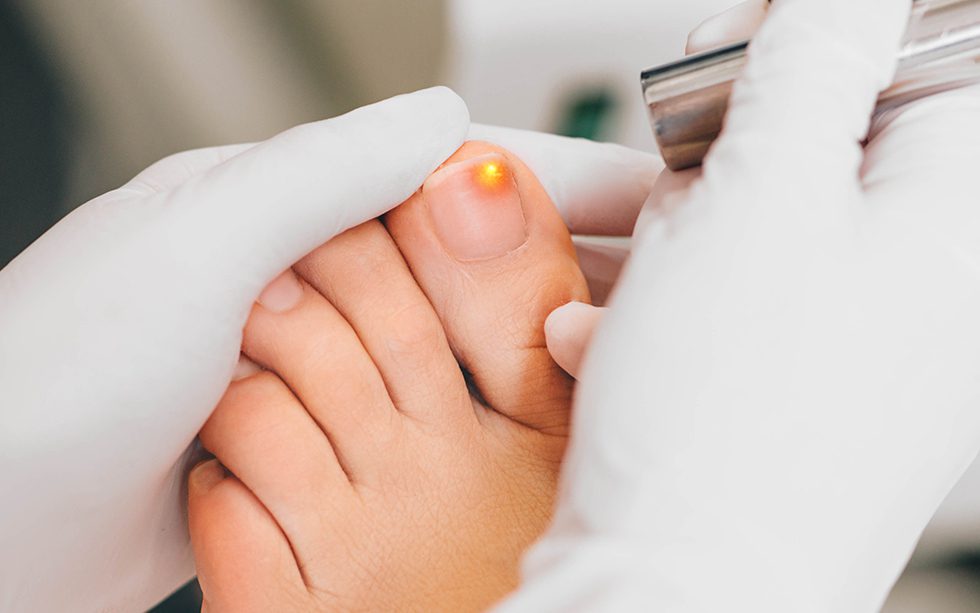
    Thankfully, effective treatment options are available for onychomycosis, and we utilize the PinPointe™ FootLaser® to provide relief. In most cases, patients experience visible improvement after a single 30-minute treatment.

    What Is Onychomycosis?

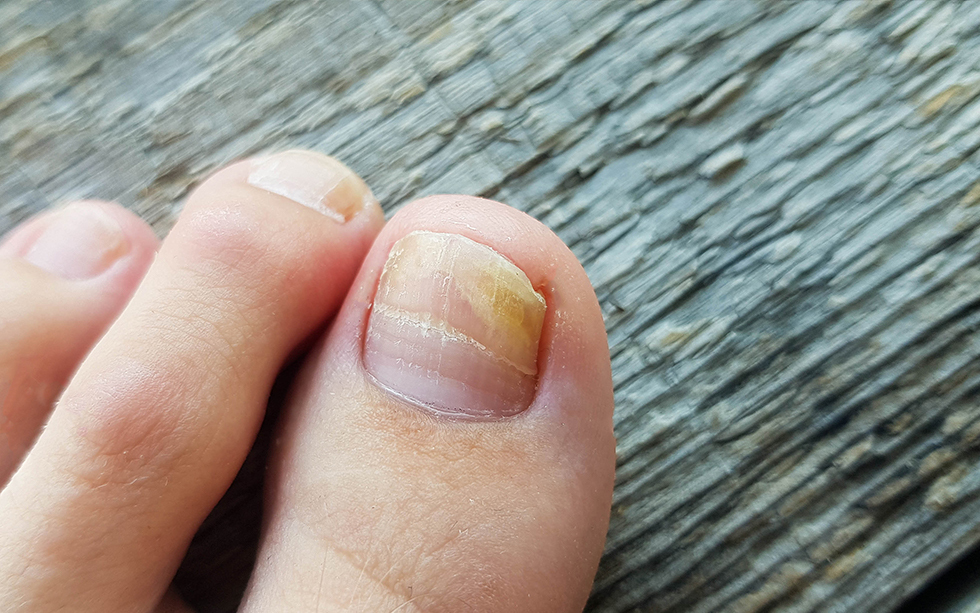
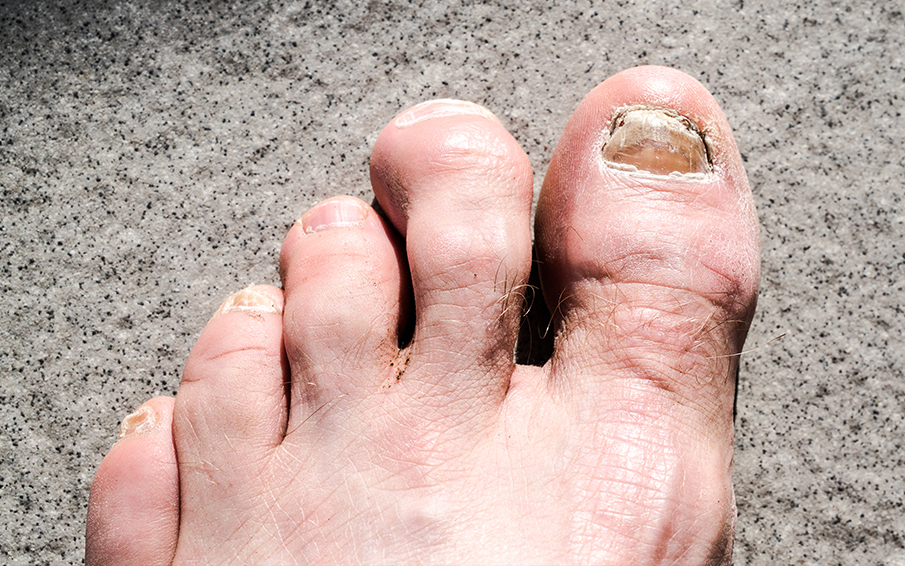
    Toenail fungus, also known as onychomycosis, is a common condition characterized by thickening, yellowing, and brittleness of the toenails. As the infection progresses, the affected toenails may become jagged and bark-like, and break off easily. If left untreated, onychomycosis can cause swelling and discomfort, particularly in individuals with underlying health issues.

    Early detection and treatment of onychomycosis is crucial, as it can cause minor damage to nail beds and lead to minimal pain. However, the condition can severely impact self-esteem and make wearing shoes and socks uncomfortable in severe cases.

    What Causes Onychomycosis?

    Onychomycosis is typically caused by various strains of fungi that thrive on keratin, the protein that makes up nails and hair. The fungi thrive in moist, warm, and wet environments like socks and shoes, making anyone susceptible to the condition. However, the following individuals are most at risk:

    • People who regularly wear nail polish on their toenails and do not allow their nails to breathe
    • Individuals who do not maintain proper foot hygiene and do not clean their feet and toenails regularly
    • Those who frequently wear ill-fitting or tight shoes or stockings
    • Individuals with circulation issues
    • People with chronic immune disorders, such as diabetes
    • Individuals who frequent locker rooms, such as athletes, gym-goers, police, and military personnel

    Is Toenail Fungus Contagious?

    Toenail fungus is a contagious condition, but proper hygiene practices can help prevent most cases. To avoid contracting toenail fungus, it is recommended to:

    • Wear shower shoes in public gyms and locker rooms and thoroughly wash your feet both at the gym and when showering at home.
    • Dry your feet completely after showering, and consider using a foot powder to maintain dryness and cleanliness.
    • If you develop athlete’s foot from a gym, treat it with a topical cream as soon as possible. Use the treatment for the full recommended duration, and monitor your feet afterwards.
    • Refrain from sharing footwear with others, and if you have had toenail fungus or athlete’s foot in the past, use a sterilization spray to sanitize your shoes.
    • Seek professional treatment if OTC solutions do not work within the recommended treatment period.

    While there are various methods to treat toenail fungus, seeking professional treatment is the most effective way to address the issue. Over-the-counter sprays, nail polishes, and creams may be effective in some cases, but for a reliable solution, MVS Podiatry Associates in Columbia offers an effective treatment.

    We use the PinPointe™ FootLaser® to target and eliminate the fungus feeding on toenails. The procedure is painless and typically takes less than 30 minutes to complete.

    If you are suffering from onychomycosis, consider scheduling a PinPointe™ FootLaser® session at MVS Podiatry Associates in Columbia to eliminate your toenail fungus.

    [/et_pb_text][/et_pb_column][/et_pb_row][/et_pb_section]
  • Dr. Scott Woodburn shares the risk factors and symptoms of P.A.D.

    Dr. Scott Woodburn shares the risk factors and symptoms of P.A.D.

    [et_pb_section fb_built=”1″ _builder_version=”4.16.1″ custom_padding=”3px|0px|14px|0px|false|false” global_colors_info=”{}”][et_pb_row admin_label=”Row” _builder_version=”4.16.1″ background_size=”initial” background_position=”top_left” background_repeat=”repeat” global_colors_info=”{}”][et_pb_column type=”4_4″ _builder_version=”4.16″ custom_padding=”|||” global_colors_info=”{}” custom_padding__hover=”|||”][et_pb_text admin_label=”Text” _builder_version=”4.16.1″ hover_enabled=”0″ global_colors_info=”{}” sticky_enabled=”0″]

    Are you having trouble walking around due to pain in your legs and feet? You may be experiencing symptoms of PAD. Dr. Scott Woodburn from MVS Podiatry Associates shares the risk factors and symptoms.

    Making regular appointments with your podiatrist will not only be beneficial but is necessary to prevent Peripheral Artery Disease. To meet with a podiatrist at MVS Podiatry Associates, click here.

    Video Courtesy: Fox 45 Bmore Lifestyle 

    [/et_pb_text][et_pb_video _builder_version=”4.16.1″ _module_preset=”default” global_colors_info=”{}”][/et_pb_video][et_pb_code _builder_version=”4.16.1″ _module_preset=”default” global_colors_info=”{}”][/et_pb_code][/et_pb_column][/et_pb_row][/et_pb_section]
  • Toenail Fungus

    Toenail Fungus

    [et_pb_section fb_built=”1″ _builder_version=”4.8.2″ custom_padding=”3px|0px|14px|0px|false|false”][et_pb_row _builder_version=”4.8.2″ background_size=”initial” background_position=”top_left” background_repeat=”repeat”][et_pb_column type=”4_4″ _builder_version=”3.25″ custom_padding=”|||” custom_padding__hover=”|||”][et_pb_text _builder_version=”4.8.2″]

    Each year, our Podiatry Associates in Columbia, MD, treat hundreds of patients suffering from onychomycosis. Although this condition is rarely life-threatening for most, it can dampen self-esteem because of the way it alters toenails. For those with autoimmune disorders, like diabetes, it can also pose serious health issues.

    Luckily, onychomycosis treatment provides relief, and with the help of the PinPointe™ FootLaser®, most patients see results after a single 30-minute treatment.

    What Is Onychomycosis?

    Onychomycosis is more commonly known as toenail fungus. Symptoms of toenail fungus include nail thickness, yellowing, and brittleness. Over time, toenails may break off easily and appear jagged and bark-like. If left untreated for too long, and especially if the person suffering from onychomycosis also has an underlying health issue, toenail fungus can lead to swelling and discomfort. 

    When caught quickly, onychomycosis does minor damage to nail beds and causes little pain. However, it can cause those with the condition to feel extremely self-conscious, and it can make wearing shoes and socks difficult in extreme cases.

    What Causes Onychomycosis?

    Onychomycosis is typically caused by one of several fungi strains conditioned to grow and feed on keratin, which is the substance that makes up nails and hair. It thrives in moist, warm, wet environments like socks and shoes, which means anyone can get it. However, those who are most likely to get onychomycosis include:

    • Those who frequently wear nail polish on their toenails and do not allow their toenails to breathe
    • Those who do not adequately clean their feet and toenails regularly
    • Those who commonly wear ill-fitting or tight shoes or stockings
    • Those with circulation issues
    • Those with chronic immune disorders, such as diabetes
    • Those who frequent locker rooms, such as gym-goers, athletes, police, and military personnel

    Is Toenail Fungus Contagious?

    Toenail fungus is contagious, but toenail fungus sufferers can prevent most cases with good hygiene practices. To avoid catching toenail fungus, be sure to:

    • Wear shower shoes in public gyms and locker rooms, and wash your feet thoroughly at the gym and the next time you shower at home.
    • Dry your feet off thoroughly after showering, and consider a foot powder to keep your feet dry and clean.
    • If you do catch athlete’s foot from a gym, treat it with a topical cream as soon as you notice symptoms. Treat it for the entire suggested period, and then monitor your feet afterward.
    • Avoid sharing footwear with others, and if you have experienced toenail fungus or athlete’s foot in the past, purchase a sterilization spray to spray into your shoes.
    • If OTC solutions do not work effectively within the allotted treatment period, seek professional help right away.

    What Is The Most Effective Treatment For Toenail Fungus?

    There are several ways to treat toenail fungus, but the most effective treatment for toenail fungus is to seek professional help for the issue. OTC sprays, nail polishes, and creams sometimes do the trick, but Podiatry Associates in Columbia know how to combat toenail fungus each time it occurs effectively.

    We use the PinPointe™ FootLaser® to target and kill off the fungus feeding on your toenails. Better yet, the procedure is painless, typically takes less than 30 minutes to complete.

    If you’re suffering from onychomycosis, book a PinPointe™ FootLaser® session at Podiatry Associates in Columbia, MD, to get rid of your toenail fungus today.

    [/et_pb_text][/et_pb_column][/et_pb_row][/et_pb_section]
  • Diabetes & Your Feet

    Diabetes & Your Feet

    [et_pb_section fb_built=”1″ _builder_version=”4.8.2″ custom_padding=”3px|0px|14px|0px|false|false”][et_pb_row _builder_version=”4.8.2″ background_size=”initial” background_position=”top_left” background_repeat=”repeat”][et_pb_column type=”4_4″ _builder_version=”3.25″ custom_padding=”|||” custom_padding__hover=”|||”][et_pb_text _builder_version=”4.8.2″]

    Diabetes is a metabolic disorder that results in elevated glucose (sugar) levels in the blood.  The glucose circulates through the arteries, touching every tissue and part of the body.  Over time, the high sugar levels may cause damage to other parts of the body.  

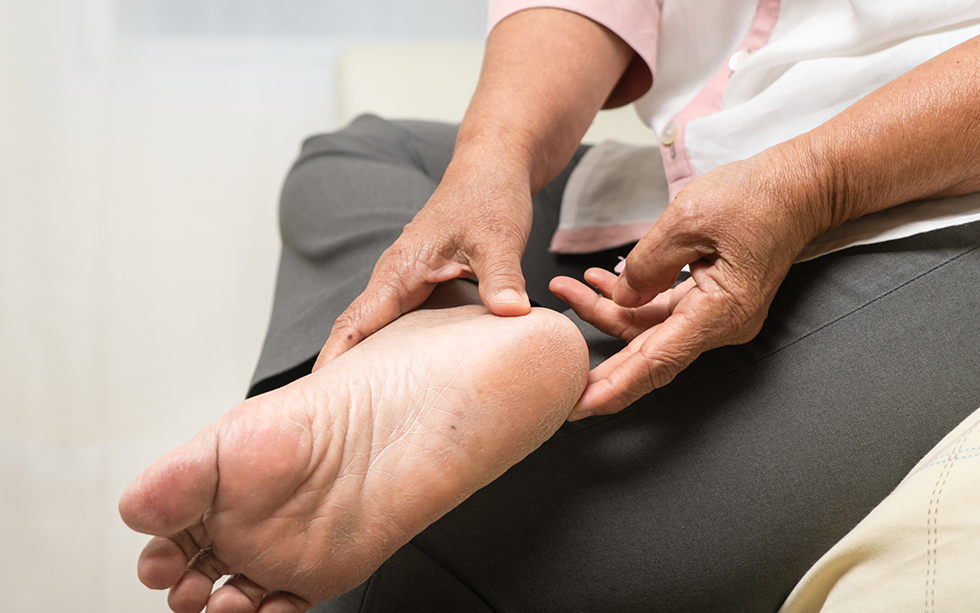
    Common complications of diabetes include loss of vision (retinopathy), kidney failure (nephropathy), and foot/leg amputation (neuropathy).  Specific foot complications may include poor circulation, loss of feeling in the foot, foot ulcers, non-healing wounds, infections in the foot, bone infections, gangrene, and amputation.

    Prevention

    To prevent or minimize diabetic complications:

    • Keep an annual podiatry foot exam 
    • Examine the feet daily including: the top of the feet, the bottom of the feet and between the toes
    • Seek medical evaluation immediately if any visible changes or concerns with the feet or legs develop
    • Wash and dry the feet thoroughly, especially between the toes
    • Apply moisturizing cream or lotion to dry skin on the feet daily.  Do not apply moisturizer between the toes
    • Maintain good control of blood sugar levels using diet, exercise, and when recommended, medication
    • Schedule regular appointments with your primary care physician
    • This list is not inclusive for all recommendations and not specific for all patients. Ask your doctor or visit the ADA website for further specific home care information.

    Annual Podiatric Foot Exam

    The American Diabetic Association recommends every diabetic to have an annual foot exam.  The purpose of the exam is to prevent diabetic foot complications.  During the exam, four areas of the foot extremity health will be examined, including: the circulation, the sensation, the skin (including hair and nails), and the orthopedic (bones, joints, alignment, and deformity).  Electronic doppler devices may be used to evaluate the circulation in better details.

    A referral to a vascular specialist may be recommended if any deficiency is detected.  Both standard clinical exams and electronic doppler testing may evaluate the circulation in greater detail which enables a more accurate depiction of what is occurring.  

    MVS Podiatry Associates has treated diabetic feet since 1965. Our goal is to prevent diabetic foot complications.  However, when foot complications do occur, our providers have the training to treat many different diagnoses, such as diabetic foot ulcers.

    What is a Diabetic Foot Ulcer

    The definition of an ulcer is a hole in the surface or lining of a tissue.  A gastric ulcer is a hole or erosion in the lining of the stomach.  Similarly, a foot ulcer is an opening in the skin of the foot.  A foot ulcer may then allow bacteria to enter the foot causing an infection.   The infection may spread or deepen in the foot causing tissue damage, increasing the need for hospitalization and the risk for amputation.  

    Even a tiny skin wound or ulcer is a reason for medical concern and should have medical evaluation and treatment within 24-48 hours.  Early treatment will decrease the risk of non-healing and diabetic foot complications.  

    How Do You Treat a Diabetic Foot Ulcer

    Each patient will require a unique treatment plan.  Initially, a diabetic foot exam will be performed to establish the health of the patient’s extremity and foot wound.  The exam will help determine:

    • The extent of the foot ulcer
    • The apparent circulation and healing ability of the patient
    • If infection is present

    Additional tests that may be ordered by your provider are:

    • Foot x-ray
    • Culture & Sensitivity test
    • Doppler (circulation) test
    • MRI
    • Blood glucose

    Treatment of diabetic foot ulcers can vary based on the diagnosis and severity.  Treatment may include: 

    • Daily wound care
    • Off-loading the ulcer or foot
    • Antibiotics
    • Medical shoes and or custom insoles (orthotics)
    • Debridement
    • Surgery
    • Specific follow-ups with your provider

    How Long Does it Take Diabetic Foot Ulcers to Heal

    Prevention is the best medicine.  When applied to diabetic foot ulcers, this includes:

    • Maintaining good glucose control with diabetes
    • Keeping annual and other scheduled podiatry visits
    • Wearing appropriate shoe gear recommended by a podiatrist
    • Inspecting the foot daily for potential ulcers
    • Seeking immediate podiatric evaluation with any foot wound, foot concern, or any general change in the feet

    With prevention and proper medical treatment, most foot ulcers will heal without severe complications.  If you would like to request an appointment for a diabetic foot consultation, check out our website.

    [/et_pb_text][/et_pb_column][/et_pb_row][/et_pb_section]

  • Say Goodbye to Ingrown Toenails with Podiatry Associates

    Say Goodbye to Ingrown Toenails with Podiatry Associates

    [et_pb_section fb_built=”1″ _builder_version=”3.22″ custom_padding=”3px|0px|14px|0px|false|false”][et_pb_row _builder_version=”3.25″ background_size=”initial” background_position=”top_left” background_repeat=”repeat”][et_pb_column type=”4_4″ _builder_version=”3.25″ custom_padding=”|||” custom_padding__hover=”|||”][et_pb_text _builder_version=”4.8.2″]Podiatry Associates is a high-quality medical and surgical treatment provider that primarily focuses on healing foot and ankle injuries and conditions in the Baltimore, Maryland area since 1965.

    Let’s shed light on ingrown toenails and ingrown toenail treatment provided by Podiatry Associates.

    So, what is an ingrown toenail? An ingrown toenail occurs when the toenail curves into the soft tissue of the foot. Although it can occur in any toe, the big toe is most commonly affected. When ingrown toenails are a concern, Podiatry Associates provides best-in-class ingrown toenail surgery and non-surgical treatment in Baltimore to cure the ingrown toenail. In general, ingrown toenails can be caused by a wide variety of circumstances, such as:

    • Wearing shoes that fit improperly
    • Improper trimming of toenail edges
    • Cutting down the toenails too short
    • Excessively curved toenails
    • Direct trauma to the nail
    • Changes in nail shape or character
    • Toenail fungus and fungal nail changes

    Conservative treatment may include oral or topical antibiotics, medicated foot soaks, proper nail trimming, treatment of nail fungus (if present), and shoe changes. If conservative treatment is not sufficient, minor surgical treatment may be performed. This course of action is often pain free or with minor discomfort.

    During the surgical treatment, podiatric surgeons may remove the ingrown portion of the nail and prescribe an oral or topical medication to decrease the likelihood of infection. If a patient suffers from chronic, recurring ingrown toenails, the podiatrist may recommend a procedure to permanently remove the ingrown nail.

    As suggested by experts, here are a few things that you can do to avoid an ingrown toenail.
    Following are the common symptoms that indicate the occurrence of ingrown toenails:

    • Ensure that you properly trim your nails – the nails should be cut straight across the tip of toe and then filed smooth.
    • Avoid cutting into the corners of the toenails
    • Avoid wearing shoes that touch, press or squeeze on toenails.

    Some patients may attempt self-treatment, such as trimming the nail, foot soaks, and topical antibiotics. However, at-home treatment might not bear results. It is best to visit a podiatrist in the event that conservative treatment fails to relieve pain, or if you notice drainage, redness or continued pain. Patients who suffer from health problems such as diabetes or poor circulation should always seek treatment immediately after recognizing signs of an ingrown toenail to avoid complications.

    Most foot and ankle conditions are treated in the office and at the Ambulatory Surgery Centers of Podiatry Associates. These centers offer quality and affordable treatments performed by experienced surgeons. There are 10 offices surrounding the Baltimore Metro area which in-office procedures are carried out for the treatment of ingrown toenails, corns, and plantar fasciitis with the help of podiatric surgery.

    The surgeons at Podiatry Associates are board qualified or board certified by the American Board of Podiatric Surgery. The success of Podiatry Associates is largely attributed to the doctors, administration, and staff who consistently ensure high-quality treatment for patients of all ages.

    Thus, if you opt for any kind of foot treatment or surgery in Baltimore, review the treatment options provided by Podiatry Associates. Our team of top surgeons provide the top-rate treatment in all aspects of toenail surgery.[/et_pb_text][/et_pb_column][/et_pb_row][/et_pb_section][et_pb_section fb_built=”1″ _builder_version=”3.22″ custom_padding=”3px|0px|14px|0px|false|false”][et_pb_row _builder_version=”3.25″ background_size=”initial” background_position=”top_left” background_repeat=”repeat”][et_pb_column type=”4_4″ _builder_version=”3.25″ custom_padding=”|||” custom_padding__hover=”|||”][et_pb_text _builder_version=”3.29.3″]

    Time to See a Podiatrist?

    If you have any of the issues described above, it’s time to consult an expert. Connect with Podiatry Associates for an evaluation. All of our doctors are board certified/qualified and we’re dedicated to preserving your foot health.


    Other Related Articles:

    [/et_pb_text][/et_pb_column][/et_pb_row][/et_pb_section]
  • Can Tight Shoes Lead to Ingrown Nails?

    Can Tight Shoes Lead to Ingrown Nails?

    [et_pb_section fb_built=”1″ _builder_version=”3.22″ custom_padding=”3px|0px|14px|0px|false|false” da_disable_devices=”off|off|off” da_is_popup=”off” da_exit_intent=”off” da_has_close=”on” da_alt_close=”off” da_dark_close=”off” da_not_modal=”on” da_is_singular=”off” da_with_loader=”off” da_has_shadow=”on”][et_pb_row _builder_version=”3.25″ background_size=”initial” background_position=”top_left” background_repeat=”repeat”][et_pb_column type=”4_4″ _builder_version=”3.25″ custom_padding=”|||” custom_padding__hover=”|||”][et_pb_text _builder_version=”4.7.7″ hover_enabled=”0″ sticky_enabled=”0″]

    The mere thought of something like ingrown toenail removal surgery is enough to send a shiver down our spines. Surgeries, even minor ones, are painful and a big hassle. We need to take adequate measures to avoid them. The same goes for ingrown toenail removal surgery too. The best way for you to prevent a surgery is to be aware of what causes lead to ingrown toenails and what you need to do to prevent them in the first place. One of the most effective ways to avoid toenail removal surgery is to wear shoes that fit properly. However, if this doesn’t help, you will need to consult a podiatrist who will examine your condition and recommend the best course of action.

    1. Dangers of Wearing Ill-Fitting Shoes
    We are all aware of the importance of wearing shoes that are comfortable, gentle, and fit properly. Wearing ill-fitting shoes can be a big mistake and should be avoided at all costs. Tight shoes, worn over an extended period of time, can cause a host of complications such as:

      • Bunions
      • Foot pain
      • Redness
      • Disfigurement
      • Hammertoe/ Mallet toe
      • Blisters and other problems.

    Another serious complication that can be caused by tight shoes is the occurrence of ingrown toenails. While some of us who love to wear stylish shoes that may fit too tight will naturally refuse to believe it, wearing tight shoes is known to result in ingrown toenails. It is a painful condition that occurs when the edges of your nails grow to pierce into the skin surrounding the nail. Your big toe is the most vulnerable to ingrown toenails.

    Medical experts always recommend wearing shoes that fit properly so you can avoid problems like ingrown nails. Ingrown toenails can become increasingly problematic, to the degree that an ingrown toenail removal surgery may be required in order to heal the condition.

    2. Symptoms of Ingrown Toenails
    Following are the common symptoms that indicate the occurrence of ingrown toenails:

    • Painfulness
    • Soreness
    • Swelling
    • Redness
    • Oozing pus
    • Odour

    If you experience any of these symptoms, it is advisable that you act fast and treat the problem in the early stages. Delaying a visit to an expert increases your chances of aggravating the condition, which in turn increases the extent of the treatment that would be required to solve the problem.

    3. Diagnosing Ingrown Toenails with Surgery
    If not treated in a timely manner, the condition may escalate to a degree in which the ingrown toenails cannot be treated by using common home treatments and remedies. If this occurs, an ingrown toenail removal surgery would be required to solve the problem. However, if you find yourself in this situation, there is no need to worry, as ingrown toenail surgery is a minor procedure. A podiatric surgeon usually performs this surgery, in which the part of the nail that is ingrown is removed. After injecting medication to numb your toe, the podiatric surgeon will cut the part of your toenail growing into the skin. There are several experienced and renowned podiatric surgeons that Baltimore residents can consult and receive treatment from to get rid of ingrown toenails.


    There are many reputed facilities offering podiatric surgery in Baltimore. The development and implementation of new ingrown toenail surgery techniques have made the process easier and comfortable. All you need to do is make an appointment for a diagnosis, during which the podiatric surgeon will address the problem.

    [/et_pb_text][/et_pb_column][/et_pb_row][/et_pb_section][et_pb_section fb_built=”1″ _builder_version=”3.22″ custom_padding=”3px|0px|14px|0px|false|false” da_disable_devices=”off|off|off” da_is_popup=”off” da_exit_intent=”off” da_has_close=”on” da_alt_close=”off” da_dark_close=”off” da_not_modal=”on” da_is_singular=”off” da_with_loader=”off” da_has_shadow=”on”][et_pb_row _builder_version=”3.25″ background_size=”initial” background_position=”top_left” background_repeat=”repeat”][et_pb_column type=”4_4″ _builder_version=”3.25″ custom_padding=”|||” custom_padding__hover=”|||”][et_pb_text _builder_version=”3.29.3″ hover_enabled=”0″ sticky_enabled=”0″]

    Time to See a Podiatrist?

    If you have any of the issues described above, it’s time to consult an expert. Connect with Podiatry Associates for an evaluation. All of our doctors are board certified/qualified and we’re dedicated to preserving your foot health.


    Other Related Articles:

    [/et_pb_text][/et_pb_column][/et_pb_row][/et_pb_section]
  • 3 Ways You Can Prevent & Cure Hammer Toes

    3 Ways You Can Prevent & Cure Hammer Toes

    [et_pb_section fb_built=”1″ _builder_version=”3.22″ custom_padding=”3px|0px|14px|0px|false|false”][et_pb_row _builder_version=”3.25″ background_size=”initial” background_position=”top_left” background_repeat=”repeat”][et_pb_column type=”4_4″ _builder_version=”3.25″ custom_padding=”|||” custom_padding__hover=”|||”][et_pb_text _builder_version=”3.29.3″]

    Having a hammer toe is more common than you would think it is. Hammer toe is a muscle or orthopaedic deformity, occurring in the toe nails, in which the joint on one of the toes is pointed upward instead of lying flat. In most cases, the toe next to the big toe or next to the smallest one are affected.


    Why does hammer toe happen?

    Hammer toe occurs when the muscle of one toe becomes weak and creates pressure on the adjoining tendons and toe joints. This is why the toe becomes misshapen and points upward at the joint. This outgrowth can be painful. The situation gets worse when the toe is pressed against the shoe.


    Cure and prevention:

    Sometimes people do not pay attention to this kind of minor deformity, but if it is painful, it is best to seek out a hammer toe treatment in Baltimore. It not only cures your deformed toe, but also gives you a nice and shapely foot to show off in a nice pair of sandals. Even though hammer toe could be the result of genetics, there are some things you could do to prevent and cure it:

    1. Do not wear narrow shoes:
    If you do not want to go through hammer toes surgery in baltimore, start by wearing sensible shoes. It is obvious that there are a lot of stylish shoes for men and women. Whereas men’s shoes are comfortable to wear, shoes for women tend to be impractical. The width of women’s shoes can be very restricting to give the shoe a sleek look. Women cram their feet into narrow and ill-fitting shoes for fashion. However, remember that you must always wear shoes with a good arch support and a wide toe box to promote healthy feet. If you have hammer toes, you should always wear sensible shoes to start with. If you are confused regarding how to choose shoes, you can consult any good podiatrist.

    2. Foot exercises:
    Though the best option to get rid of this condition is to get a hammer toe surgery, podiatrists often suggest some efficient foot exercises that you can practise to remove a hammer toe or to prevent the development of one. The major cause behind hammer toes is the weakness of the toe muscles. Podiatrists prescribe exercises that help strengthen your toe muscles and keep your feet supple and active. Exercises such as curling the toes, extending the toes, moving, and spreading the toes are good exercises that could slow the process of hammer toe generation.

    3. Using a pumice stone to clean:
    On the top of the hammer toes, there might be a formation of corn or callus that could cause discomfort during shoe time. So, it is suggested by the top podiatrists, one can clean the corn formation with a pumice stone or file after a warm bath. This way, the size of the corn will be reduced, so will the discomfort.

    These are the three ways to cure and prevent hammer toes. If you are experiencing discomfort due to hammer toes, contact a Baltimore podiatrist for treatment today.

    [/et_pb_text][/et_pb_column][/et_pb_row][/et_pb_section][et_pb_section fb_built=”1″ _builder_version=”3.22″ custom_padding=”3px|0px|14px|0px|false|false”][et_pb_row _builder_version=”3.25″ background_size=”initial” background_position=”top_left” background_repeat=”repeat”][et_pb_column type=”4_4″ _builder_version=”3.25″ custom_padding=”|||” custom_padding__hover=”|||”][et_pb_text _builder_version=”3.29.3″]

    Time to See a Podiatrist?

    If you have any of the issues described above, it’s time to consult an expert. Connect with Podiatry Associates for an evaluation. All of our doctors are board certified/qualified and we’re dedicated to preserving your foot health.


    Other Related Articles:

    [/et_pb_text][/et_pb_column][/et_pb_row][/et_pb_section]

  • The Common Mistakes People With Ingrown Toenails Make

    The Common Mistakes People With Ingrown Toenails Make

    [et_pb_section fb_built=”1″ _builder_version=”3.22″ custom_padding=”3px|0px|14px|0px|false|false” fb_built=”1″ da_disable_devices=”off|off|off” bb_built=”1″ _i=”0″ _address=”0″ da_is_popup=”off” da_exit_intent=”off” da_has_close=”on” da_alt_close=”off” da_dark_close=”off” da_not_modal=”on” da_is_singular=”off” da_with_loader=”off” da_has_shadow=”on”][et_pb_row _builder_version=”3.25″ background_size=”initial” background_position=”top_left” background_repeat=”repeat” _i=”0″ _address=”0.0″][et_pb_column type=”4_4″ _builder_version=”3.25″ custom_padding=”|||” _i=”0″ _address=”0.0.0″ custom_padding__hover=”|||”][et_pb_text _builder_version=”3.29.3″ _i=”0″ _address=”0.0.0.0″]

    We are quickly made aware of any visible, physical abnormalities we may develop. But are we similarly concerned with those ailments which are not so apparent? We can easily ignore some of the physical abnormalities that are not commonly visible. Ingrown toenails, for example, are often overlooked or ignored. People may not recognize that they have ingrown toenails because we are either wearing shoes or socks during most of our waking hours. However, not only does this condition require immediate medical attention, but also a changed lifestyle. People often carry on with their normal way of life and make mistakes that should be avoided if you have ingrown toenails. Even after recognizing an ingrown toenail, most people do not know what to do. Here are some of the major mistakes that people with ingrown toenails make:


    Continue Wearing Tight Shoes

    There is a misconception that tight-fitting shoes are the best fitting shoes. A tight-fitting pair of shoes will give you the impression that they fit your feet best because they hug your feet well. However, to be a good fitting pair of shoes, you need space for your nails to feel comfortable and for your toes to spread out well. If you identify ingrown toenails on either of your feet, try to avoid wearing tight-fitting shoes. To prevent ingrown toenails in future, wear shoes with enough width. Tight shoes, such as shoes with a narrow toe area or toe box, or shoes with steel caps could be problematic. These types of shoes create undue pressure on the toenails and on the surrounding skin, pushing the nails into the skin.


    Wrong Technique for Nail Cutting

    Poor nail cutting techniques can also generate problems like ingrown toenails. For example, if you curve the edges too much while cutting your toenails, it can encourage that nail to push down on the surrounding skin. Pulling the nails off will only make it worse if your toenails are already ingrown. You will be left with a nail spicule that will grow into an ingrown toenail shortly afterwards. Additionally, avoid cutting your toenails too short.


    Doing nothing about it

    Toenails are a part of our body that we often overlook. This is the most common mistake that people make with ingrown toenails. Today, ingrown toenail removal surgery is quite common and could remove your abnormal toenails easily. Ingrown toenails won’t disappear overnight. For this reason, we must pay attention to our feet and act accordingly if we notice an ingrown toenail.

    There is more than one ingrown toenail surgery Baltimore centre that can help you with this common problem. If you are struggling with ingrown toenails, contact us to discuss the removal of your ingrown toenails.

    [/et_pb_text][/et_pb_column][/et_pb_row][/et_pb_section][et_pb_section fb_built=”1″ _builder_version=”3.22″ custom_padding=”3px|0px|14px|0px|false|false” fb_built=”1″ da_disable_devices=”off|off|off” bb_built=”1″ _i=”1″ _address=”1″ da_is_popup=”off” da_exit_intent=”off” da_has_close=”on” da_alt_close=”off” da_dark_close=”off” da_not_modal=”on” da_is_singular=”off” da_with_loader=”off” da_has_shadow=”on”][et_pb_row _builder_version=”3.25″ background_size=”initial” background_position=”top_left” background_repeat=”repeat” _i=”0″ _address=”1.0″][et_pb_column type=”4_4″ _builder_version=”3.25″ custom_padding=”|||” _i=”0″ _address=”1.0.0″ custom_padding__hover=”|||”][et_pb_text _builder_version=”3.29.3″ _i=”0″ _address=”1.0.0.0″]

    Time to See a Podiatrist?

    If you have any of the issues described above, it’s time to consult an expert. Connect with Podiatry Associates for an evaluation. All of our doctors are board certified/qualified and we’re dedicated to preserving your foot health.


    Other Related Articles:

    [/et_pb_text][/et_pb_column][/et_pb_row][/et_pb_section]