Month: May 2020

  • Do High Heels Cause Bunions?

    Do High Heels Cause Bunions?

    [et_pb_section fb_built=”1″ _builder_version=”3.22″ custom_padding=”3px|0px|14px|0px|false|false” fb_built=”1″ bb_built=”1″ _i=”0″ _address=”0″][et_pb_row _builder_version=”3.25″ background_size=”initial” background_position=”top_left” background_repeat=”repeat” _i=”0″ _address=”0.0″][et_pb_column type=”4_4″ _builder_version=”3.25″ custom_padding=”|||” _i=”0″ _address=”0.0.0″ custom_padding__hover=”|||”][et_pb_text _builder_version=”3.29.3″ _i=”0″ _address=”0.0.0.0″]

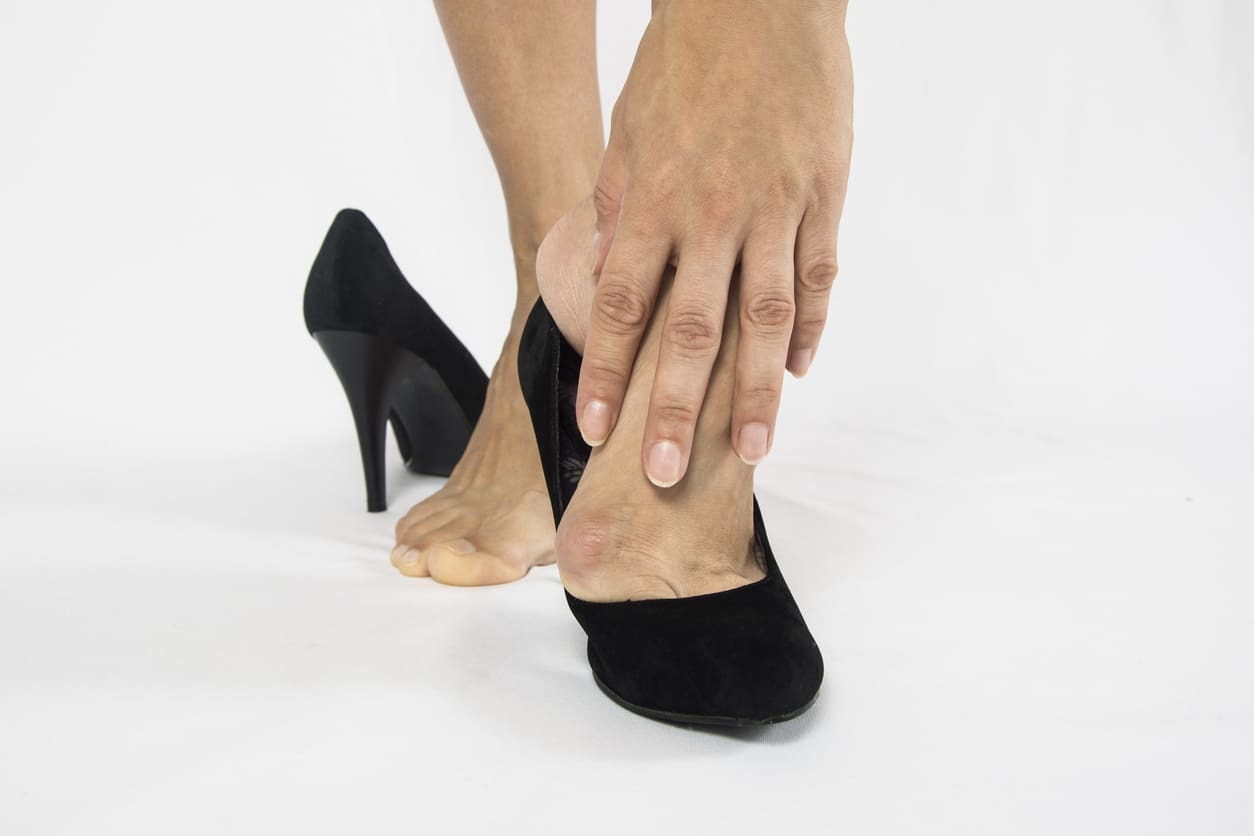
    An integral part of almost every woman’s shoe rack is high heels. Women are simply in love with how they look. However, they hate having to walk around in them for very long because high heels aren’t the most comfortable shoe wear. But many women wouldn’t be wearing high heels if they knew that it could eventually result in the need for bunions surgery.

    Picture yourself in the retail store choosing a new pair of heels. Being completely honest with yourself, do you select the shoes that look the best on you or those that are the most comfortable? Don’t worry – we all fall into this trap of fashion over comfort. But here’s something for you to keep in mind next time you’re out shoe shopping: wearing high heels can lead to the development of painful bunions.

    High heels make you look smart, stylish, fashionable, and modern, but if you wear ill-fitted high heels just for the sake of it, you will end up experiencing foot problems that can often cause bunions that can result in excruciating pain. If you experience extreme bunion pain, the doctor might advise bunions surgery.

    But let’s take a step back and examine what are bunions and how they develop.


    Definition of Bunions

    When the big toe joint develops an enormous bump made of bones, especially on the insides of the foot, this is called a bunion. They don’t happen at once, but grow slowly and gradually become worse with time.

    To be more specific, bunions occur when the bones located at the metatarsophalangeal joints become misaligned. This typically happens when there is excessive pressure on the big toe joint, which the big toe can’t perpetually tolerate, eventually causing it to lean on the second toe for support. A bump forms over time due to the change in the bone’s typical structure. 

    Usually, bunions develop at the joint of the big toe, but there are possibilities of it developing on the exterior portion of the pinky toe, better known as a bunionette or Tailor’s bunion. Approximately 23% of adults between the age of 18-65 tend to develop bunions. But this number increases to 35.7% with older people, especially above the age of 65.


    What Causes Bunions?

    Bunions occur more often in women than in men, usually due to the poor choice of shoes. But here are the typical causes of bunions: 

    • Shoes with a tight toe box, like high heels or shoes that are just too small
    • Genetics or heredity
    • Existing diseases like neuromuscular disease or rheumatoid arthritis – bunions are commonly associated with these conditions 


    How Do You Relieve Bunion Pain?

    Keeping in mind that tightly fitted shoes or high heels cause bunions, the first step to relieving the excruciating pain is to start wearing only comfortable shoes that have enough toe space.  You must eliminate the pressure on the toe in order to get rid of the pain. There are many shoes specifically designed for relieving bunion pain, but it’s best to consult with your local podiatrist to see what is the best path of healing for your feet.


    How Do You Treat Bunions?

    Begin by scheduling a visit with your foot doctor to see what is the best way to treat your unique case of bunion development. Here are some typical methods for treating bunions: 

    • Use shoes with a wider toe box
    • Use bunion-shield padding to help ease the pain
    • Apply ice at frequent intervals to minimize swelling
    • Wear special tailored orthotic devices
    • Schedule bunions surgery to help correct your feet if prescribed by your podiatrist


    Contact our bunion surgeons in Baltimore to know more and discuss if bunion surgery is right for your condition.

    [/et_pb_text][/et_pb_column][/et_pb_row][/et_pb_section][et_pb_section fb_built=”1″ _builder_version=”3.22″ custom_padding=”5px|0px|54px|0px|false|false” fb_built=”1″ bb_built=”1″ _i=”1″ _address=”1″][et_pb_row _builder_version=”3.25″ background_size=”initial” background_position=”top_left” background_repeat=”repeat” _i=”0″ _address=”1.0″][et_pb_column type=”4_4″ _builder_version=”3.25″ custom_padding=”|||” _i=”0″ _address=”1.0.0″ custom_padding__hover=”|||”][et_pb_text _builder_version=”3.29.3″ _i=”0″ _address=”1.0.0.0″]

    Time to See a Podiatrist?

    If you have any of the issues described above, it’s time to consult an expert. Connect with Podiatry Associates for an evaluation. All of our doctors are board certified/qualified and we’re dedicated to preserving your foot health.


    Other Related Articles:

    [/et_pb_text][/et_pb_column][/et_pb_row][/et_pb_section]
  • 8 Useful Tips for Diabetic Foot Care Treatment

    8 Useful Tips for Diabetic Foot Care Treatment

    [et_pb_section fb_built=”1″ _builder_version=”3.22″ custom_padding=”3px|0px|14px|0px|false|false” global_colors_info=”{}”][et_pb_row _builder_version=”3.25″ background_size=”initial” background_position=”top_left” background_repeat=”repeat” global_colors_info=”{}”][et_pb_column type=”4_4″ _builder_version=”3.25″ custom_padding=”|||” global_colors_info=”{}” custom_padding__hover=”|||”][et_pb_text _builder_version=”4.14.7″ hover_enabled=”0″ global_colors_info=”{}” sticky_enabled=”0″]

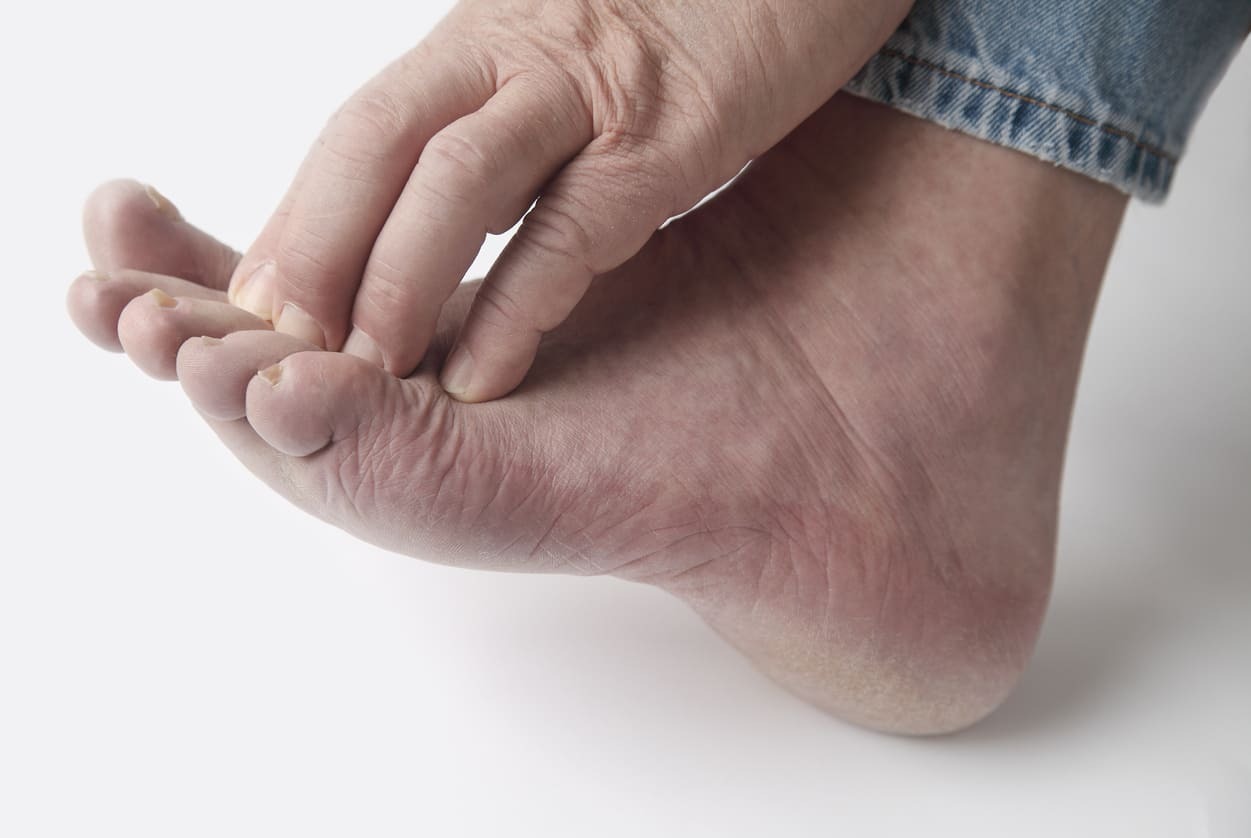
    Diabetes is widespread among the world’s population and is very harmful to people’s health in more than one way. If you are among them, and you get a burn or a cut on your foot, you might not be able to feel it, which will only lead to a worsening of the injury. If you aren’t already receiving regular care then you should seek diabetic foot care treatment from their local experts. 

    Proper foot care is especially important in diabetic patients, and here are 8 useful tips for you to keep your feet healthy on a daily basis.


    1. Always wear socks

    A special kind of socks are designed for diabetic patients and are available in the market. They have added cushioning and are made from such a fiber that prevents unwanted moisture. Such socks should be worn during the day as well as before going to sleep. However, ensure that the socks are regularly washed and dry before putting them on.


    2. Clean your feet properly

    You must also keep your feet clean by washing them daily to minimize germ build-up and odors. While bathing or cleaning, use lukewarm water instead of extremely cold or hot water. Be gentle while washing them and use a washcloth or a mild sponge. Do not rub aggressively to dry, instead lightly pat with a dry towel. 


    3. Moisturize regularly

    Using a moisturizer to prevent your skin from cracking, but do not put moisturizer between your toes. It’s important to keep your skin healthy, but excess moisture in hidden areas can lead to complications. Also, you should never soak your feet or you’ll risk infection if the skin begins to break down, requiring immediate diabetic foot care treatment.


    4. Never walk barefoot

    This may seem obvious to some, but walking barefoot can do serious harm to your feet. If outside, you can easily get a cut from a rough surface and not even know about the wound. Even inside your house, the germs on the floor might cause infections which can be very difficult to deal with. It’s best to wear supportive shoes diabetic shoes.


    5. Regularly trim your toenails

    Cut your toenails just enough that they do not go beyond your toe. Do not cut in too deep as that might lead to the development of ingrown toenails. Cutting them straight and filing the edges should be done regularly. Cutting your own toenails is also possible but not recommended by podiatrist since you may easily cut yourself without knowing. It’s advisable to regularly see a podiatrist for routine nail care and other diabetic foot care treatment.


    6. Inspect your feet

    As your feet lack sensation, you should check daily for any sort of cuts, ulcers, blisters and so on. This way, you will be able to quickly identify any existing injury as well as prevent the potential ones. It is advised to do this daily on your own as well as regularly visiting your local podiatry office that provides diabetic foot treatment in Baltimore.


    7. Choose the right footwear

    Always focus on buying footwear that is comfortable rather than the ones which just look good. If you are not comfortable in your shoes, you might not feel it in the beginning, but gradually they might end up giving you shoe bites or cuts. Also, remember to regularly check your shoes before wearing as you might not be able to feel a pebble inside them that could easily irritate your foot.


    8. Know when to visit a doctor

    Ideally, you should visit a podiatrist on a regular basis if you have diabetes. But if you notice severe redness in your feet, any signs of injury or infection or even bleeding, you immediately consult with your doctor. 

    If you are a diabetic, we highly recommend getting foot inspections and diabetic foot care treatment in Baltimore, for the sake of your health and well being. Get in touch with your local podiatrist today.

    If you need to see one of our podiatrists in Baltimore and the surrounding area or have any questions about the diabetic side effects described above, check out our Podiatry Associates locations and find a podiatrist near you. Feel free to call our scheduling office to discuss your specific situation: (833) 500-FEET.


    Podiatry Associates of Bel Air

    The best podiatrists in Bel Air, MD.

    1 N Main St.

    Bel Air, MD 21014

    Phone: 410-879-1212


    Podiatry Associates of Columbia

    The best podiatrists in Columbia, MD.

    5500 Knoll N Dr #440

    Columbia, MD 21045

    Phone: 410-730-0970


    Podiatry Associates of Baltimore (Franklin Square)

    The best podiatrists in Baltimore, MD.

    9105 Franklin Square Dr #206

    Baltimore, MD 21237

    Phone: 410-574-3900


    Podiatry Associates of Towson (GBMC)

    The best podiatrists in Towson, MD.

    6569 N Charles St # 702

    Towson, MD 21204

    Phone: 410-828-5420

    Note: GBMC Physicians Pavilion West


    Podiatry Associates of Baltimore (Medstar Good Samaritan Hospital)

    The best podiatrists in, MD.

    5601 Loch Raven Blvd # 400

    Baltimore, MD 21239

    Phone: 410-433-2500


    Podiatry Associates of Perry Hall

    The best podiatrists in Baltimore, MD.

    9712 Belair Rd # Ll3

    Baltimore, MD 21236

    Phone: 410-256-6060


    Podiatry Associates of Baltimore (UMD Midtown)

    The best podiatrists in Baltimore, MD.

    827 Linden Ave

    Baltimore, MD 21201

    Phone: 410-462-5420


    Podiatry Associates of Havre De Grace

    The best podiatrists in Havre De Grace, MD.

    1500 Blenheim, Farm Ln Suite C

    Havre De Grace, MD 21078

    Phone: 410-939-0055


    [/et_pb_text][/et_pb_column][/et_pb_row][/et_pb_section][et_pb_section fb_built=”1″ _builder_version=”3.22″ custom_padding=”5px|0px|54px|0px|false|false” global_colors_info=”{}”][et_pb_row _builder_version=”3.25″ background_size=”initial” background_position=”top_left” background_repeat=”repeat” global_colors_info=”{}”][et_pb_column type=”4_4″ _builder_version=”3.25″ custom_padding=”|||” global_colors_info=”{}” custom_padding__hover=”|||”][et_pb_text _builder_version=”3.29.3″ global_colors_info=”{}”]

    Time to See a Podiatrist?

    If you have any of the issues described above, it’s time to consult an expert. Connect with Podiatry Associates for an evaluation. All of our doctors are board certified/qualified and we’re dedicated to preserving your foot health.


    Other Related Articles:

    [/et_pb_text][/et_pb_column][/et_pb_row][/et_pb_section]