
Month: May 2021

  • How To Treat A Bunion Before It Gets Worse

    How To Treat A Bunion Before It Gets Worse

    [et_pb_section fb_built=”1″ _builder_version=”4.8.2″ custom_padding=”3px|0px|14px|0px|false|false”][et_pb_row admin_label=”Row” _builder_version=”4.8.2″ background_size=”initial” background_position=”top_left” background_repeat=”repeat”][et_pb_column type=”4_4″ _builder_version=”3.25″ custom_padding=”|||” custom_padding__hover=”|||”][et_pb_text admin_label=”Text” _builder_version=”4.9.4″ hover_enabled=”0″ sticky_enabled=”0″]

    A podiatric problem we frequently see at Podiatry Associates is the common “bunion”. Bunions are often not noticed during the early stages of development. The deformity may slowly worsen over time without treatment. Because of this tricky onset, bunions may appear “to come out of nowhere”. Many times patients wait to come in until the deformity is much more severe with the onset of pain causing limited walking and limited wearing of shoes.

    Bunions need expert help. However, there are ways to stop the pain associated with bunions while you wait to see someone about them.

    What Is A Bunion?

    Wondering if you have a bunion? Look to the base of your big toe.

    Bunions form when your big toe slips out of its normal position at the metatarsophalangeal (MTP) joint, resulting in a bone prominence at the base of the great toe and the big toe leaning toward the adjacent second toe.

    The big toe is responsible for supporting a lot of your body weight, which is why we need it to walk correctly. Because of this, walking with a bunion can be very painful — the bunion essentially places a majority of your body weight on a joint that is misaligned.

    As well as pressure and pain from the unnaturally-aligned joint (arthralgia), most shoes do not reasonably accommodate the bone prominence of a bunion and it is easy to develop painful skin irritation/inflammation, calluses, blisters, or bursitis because of them.

    Symptoms of bunions include:

    • A firm bone prominence, “boney bump” on the outside of the big toe
    • Swelling, pain, and redness at the base of the big toe
    • A painful or stiff big toe joint
    • Calluses, corns, and blisters on other parts of the foot due to the big toe’s misalignment
    • Pain wearing shoes or walking

    Why Do People Get Bunions?

    Several factors contribute to bunions, but typically they are genetic. Bunions themselves are not passed down or contagious. Instead, they are due to inherited foot shape and incorrect walking mechanics that may lead to bunion development. In other words, if one or both of your parents suffer from bunions because of the way their feet are shaped, you might, too. Abnormal pronation and flat feet are often a culprit in bunion growth.

    Some people may not have family history bunions but get them anyway. Shoe type may influence the development of a bunion, as pointed toe shoes, shoes which are too tight or unsupportive shoes can encourage the MTP to slip out of place. Additionally, excessive work or pressure on the feet can cause trauma to the MTP, which in turn may cause bunion development. Dancers — especially pointe ballerinas — are prone to bunions.

    How Do You Fix Bunions (Before They Get Worse)?

    With bunions, time is of the essence. A mild or moderate bunion deformity is easier to treat or surgically correct, compared to a severe bunion. At the first sign of a bunion deformity, it is important to see a podiatrist. You can treat the symptoms of a bunion at home, but a bunion will not go away without professional help.

    Until your doctor can recommend a treatment plan for your bunion, some of the things you can do to alleviate the pain of a bunion include:

    • Wearing proper, supportive shoes with a wide toe box
    • Avoiding high heels or constrictive dress shoes
    • Apply ice, elevating the foot, and taking anti-inflammatory drugs to ease the pain
    • Wearing a spacer between your big toe and the second toe
    • Apply a bunion padding around the bump itself

    Your best chance for bunion recovery will be to see a podiatrist as soon as you recognize the signs and symptoms of a bunion. To schedule an appointment with one of our podiatrists, click here.

    [/et_pb_text][/et_pb_column][/et_pb_row][/et_pb_section]
  • Diabetic Foot Ulcers: Causes and Treatments

    Diabetic Foot Ulcers: Causes and Treatments

    [et_pb_section fb_built=”1″ _builder_version=”4.8.2″ custom_padding=”3px|0px|14px|0px|false|false”][et_pb_row admin_label=”Row” _builder_version=”4.8.2″ background_size=”initial” background_position=”top_left” background_repeat=”repeat”][et_pb_column type=”4_4″ _builder_version=”3.25″ custom_padding=”|||” custom_padding__hover=”|||”][et_pb_text admin_label=”Text” _builder_version=”4.9.4″]One common problem Podiatry Associates treats is diabetic foot ulcers. 

    For most people, a cut, scrape, or blister on the foot doesn’t cause much damage. It heals quickly and — though it might cause some pain — it doesn’t cause significant medical problems. However, for those living with diabetes minor cuts and skin wounds can evolve into more severe lesions known as diabetic foot ulcers. 

    Here are some frequently asked questions about diabetic foot ulcers that Podiatry Associates wants more people to understand.

    What Is A Diabetic Foot Ulcer?

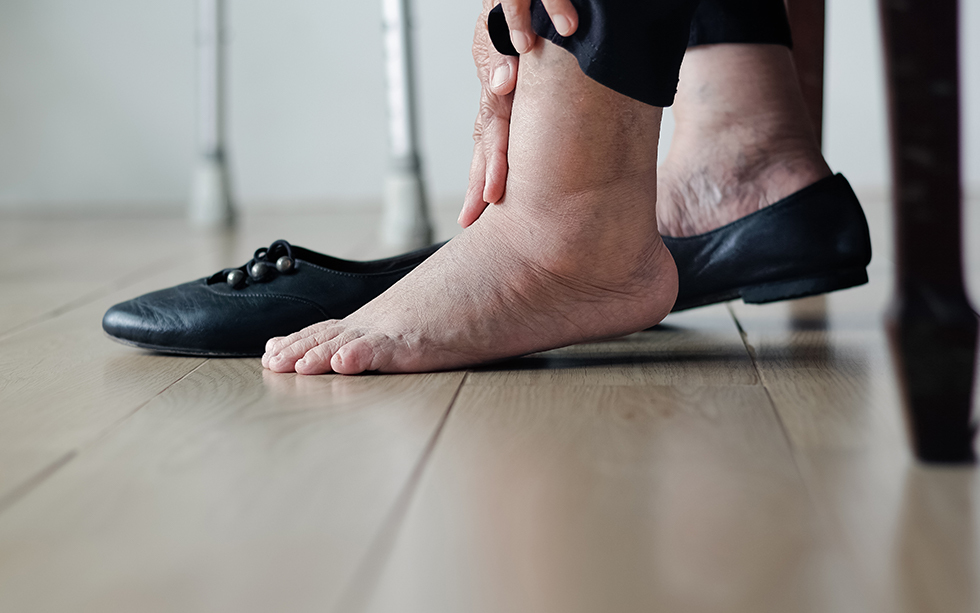
    A diabetic foot ulcer is an open wound on the foot of people living with diabetes. 

    Foot ulcers impact up to 15% of patients with diabetes. Untreated diabetic foot ulcers can lead to complications such as local wound site infections. In severe cases, diabetic ulcers of the foot may lead to amputations.

    What Are The Symptoms Of A Diabetic Foot Ulcer?

    Diabetic foot ulcers are visible open skin wounds on the foot. 

    Often those with diabetic foot ulcers do not feel the skin wounds developing due to a loss of sensation or feeling in the foot. Pain isn’t typically associated with these types of ulcers. However, ulcers can become infected, and the infection can spread, which may cause pain and tissue damage.

    What Causes Diabetic Foot Ulcers?

    The cause of diabetic foot ulcers is often multifactorial. Foot ulcers are usually caused by a combination of factors such as: uneven gait, chronic pressure on bony prominences, poorly controlled blood sugar levels, poor circulation or decreased sensation in the feet. There are other causative factors possible.

    Risk factors for developing foot ulcers include:

    • Race: Foot ulcers are more common in those of Hispanic, Native American, and African American descent
    • Age: While foot ulcers occur in young adults, they are more common in older patients
    • Gender: Men are at higher risk than women
    • Insulin: Those who use insulin are at a higher risk. However, diabetics on diet control or oral diabetic medication are also at risk for foot ulcers
    • Diseases: Those living with kidney disease, heart disease, and eye disease are at a higher risk of diabetic foot ulcers
    • Sedentary lifestyle: Those who engage in regular exercise may control their body weight and glucose control. This may improve their circulation. Thus, they have an easier time preventing diabetic foot ulcers
    • Dietary choices: Eating healthy foods and following a healthy diet may help prevent diabetic foot ulcers
    • Alcohol use: Using alcohol raises the risk of diabetic foot ulcers
    • Tobacco use: Using tobacco raises the risk of diabetic foot ulcers

    How Are Diabetic Foot Ulcers Treated?

    Prevention of foot ulcers is ideal. Still, if a diabetic patient does develop a foot ulcer, they need to see a doctor right away. The podiatrist will initially perform a thorough examination. They may then prescribe a treatment routine including: wound cleansing, dressing changes, antibiotics, pressure relief and ulcer debridement. Monitoring and controlling blood sugar will greatly assist healing. A lifetime of preventative care and medical follow up will be ongoing steps in the process and will help prevent recurrence.

    Do You Always Need Surgery?

    No, diabetic foot ulcers do not always need surgery. Surgery is typically reserved for wounds that fail to heal with treatment, ulcers with severe infection and the most severe ulcer cases. 

    Do Diabetic Foot Ulcers Require Hospitalization?

    The large majority of diabetic foot ulcers will heal following treatment in the office. Similar to the need for surgery, only a small percent of foot ulcers with severe infection or ulcers unresponsive to standard treatment will require hospitalization.

    Can You Prevent Diabetic Foot Ulcers?

    Luckily, diabetic foot ulcers are preventable in most cases. Patients living with diabetes should be educated as to self care of their diabetes at home. This includes : 

    • Daily self inspection of the feet
    • Seeking immediate medical evaluation of any concerns or changes in the feet
    • Daily foot hygiene, followed by thorough drying of the skin on the foot
    • Applying moisturizing lotion or cream to excessively dry skin on the foot
    • Avoid barefoot walking
    • Wear high quality, well fit shoes 
    • Proper cutting of toenails to prevent self injury or seeking a podiatrist for foot care

    Finally, it will be important for those living with diabetes to stay on top of blood glucose control and preventative care for their diabetes. This includes maintaining visits with your primary care physician or endocrinologist and your podiatrist. Diabetics of every age should have an annual diabetic foot exam performed by a podiatrist and additional podiatry care as needed.

    Maintaining a doctor-patient relationship will go a long way toward prevention, and Podiatry Associates is here to help with your diabetic foot needs.[/et_pb_text][/et_pb_column][/et_pb_row][/et_pb_section]
  • Plantar Fasciitis – Why do my heels hurt when I get up in the morning?

    Plantar Fasciitis – Why do my heels hurt when I get up in the morning?

    [et_pb_section fb_built=”1″ _builder_version=”4.8.2″ custom_padding=”3px|0px|14px|0px|false|false”][et_pb_row admin_label=”Row” _builder_version=”4.8.2″ background_size=”initial” background_position=”top_left” background_repeat=”repeat”][et_pb_column type=”4_4″ _builder_version=”3.25″ custom_padding=”|||” custom_padding__hover=”|||”][et_pb_text admin_label=”Text” _builder_version=”4.9.3″]As we get older, we tend to wake up with more aches and pains. One common symptom many of us experience as we age is aching heels. Although pain in the heels may have several different origins, one common reason for this pain is Plantar Fasciitis.

    What Is Plantar Fasciitis?

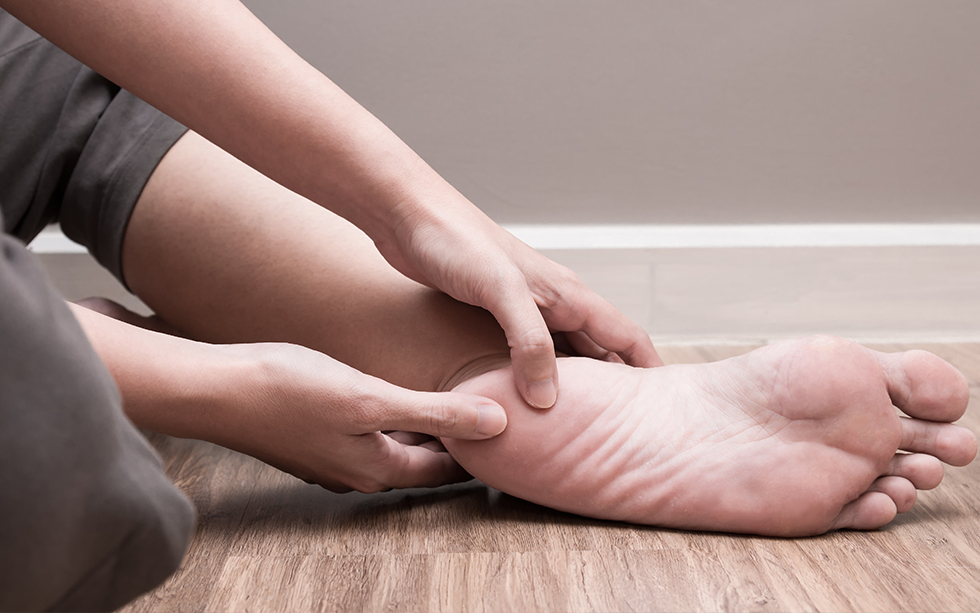
    Plantar Fasciitis is inflammation of the thick ligament-like structure located on the bottom of your foot toward your heel. This fibrous band holds up the arch, supports body weight, and is known as the plantar fascia.  When it “acts up,” it can feel like anything between a slight stiffness to a stabbing pain when standing or walking. For younger, active people, plantar fasciitis can occur when they are on their feet for too long or don’t support their feet adequately.

    So, Why Do My Heels Hurt When I Get Up In The Morning?

    Plantar fasciitis pain tends to act up in the morning.  You have not used your feet throughout the night, so there is stiffness and pain when you first stand on the injured plantar fascia.  

    It can be hard to fix the pain associated with plantar fasciitis because we stand and walk each day and the feet seldom get enough rest to heal the injured plantar fascia.   However, wearing the right shoes, warming up the area with a bit of exercise, and visiting a podiatrist can lessen the symptoms associated with plantar fasciitis.

    What Causes Plantar Fasciitis?

    Plantar Fasciitis does not have one singular cause but instead it has several influencing factors. You may be at risk of plantar fasciitis if:

    • You spend a lot of time on your feet due to work or personal activities
    • You participate in specific sports or aerobic activities that strain the plantar fascia, such as running, dance, and soccer.
    • You have structural conditions with your feet, such as an abnormal gait or an arch that is too high or too low
    • You wear poorly supportive shoes or you go barefoot
    • You are overweight

    How Do I Treat Plantar Fasciitis?

    Plantar Fasciitis takes time to heal, but with targeted care and a podiatrist’s help, it will normally resolve. An approach to plantar fasciitis treatment typically looks like this:

    1. Your podiatrist will examine your foot and complete imaging of your foot to check bone structure and rule out heel spurs or other pathology.
    2. Your doctor may suggest taking ibuprofen or similar medication to ease pain and inflammation while you recover.
    3. Your doctor may recommend wearing supportive shoes or arch supports to correct your gait and support your arch and plantar fascia. Additionally, your podiatrist may recommend devices like a night splint to stretch out your calf and prevent morning stiffness.
    4. During the day, your podiatrist will often recommend exercises designed to stretch and strengthen your plantar fascia. 

    If your plantar fasciitis is unresponsive to these treatments, you may benefit from cortisone injections.  If you fail to improve, surgery may be considered.  Rest assured, these will be the last case scenario with plantar fasciitis.  

    Plantar Fasciitis isn’t always easy to deal with and often requires several weeks to several months to resolve.  Thankfully, working with Podiatry Associates can help resolve your pain. If you’ve been suffering from stiff or painful heels, give our office a call.  You can also make an online appointment request here.[/et_pb_text][/et_pb_column][/et_pb_row][/et_pb_section]