Month: January 2020

  • 11 Things Every Patient Should Know About Foot Surgery

    11 Things Every Patient Should Know About Foot Surgery

    [et_pb_section fb_built=”1″ _builder_version=”3.22″ custom_padding=”3px|0px|14px|0px|false|false” global_colors_info=”{}”][et_pb_row _builder_version=”3.25″ background_size=”initial” background_position=”top_left” background_repeat=”repeat” global_colors_info=”{}”][et_pb_column type=”4_4″ _builder_version=”3.25″ custom_padding=”|||” global_colors_info=”{}” custom_padding__hover=”|||”][et_pb_text _builder_version=”4.14.7″ hover_enabled=”0″ global_colors_info=”{}” sticky_enabled=”0″]

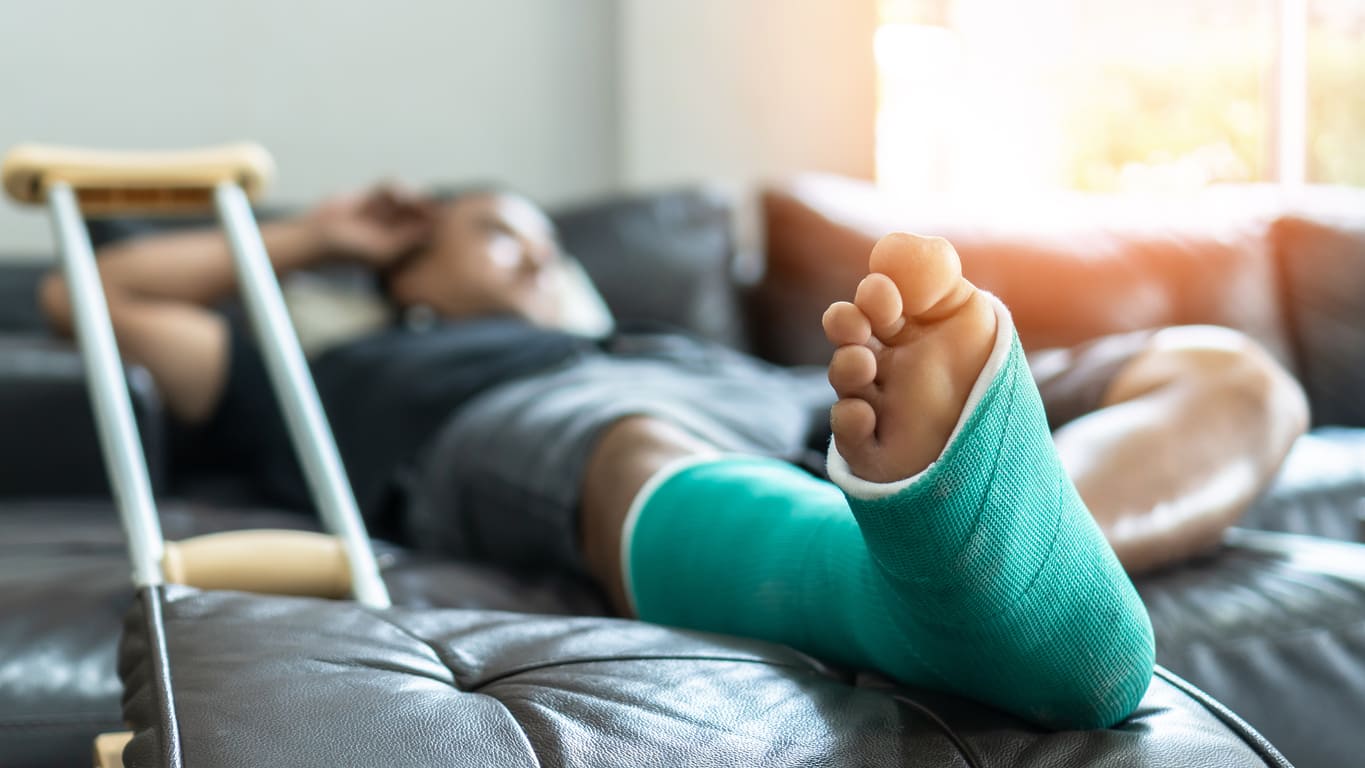
    Foot surgery can help with the realignment of the bones, arthritis, torn or ruptured tendons, and other medical conditions. However not all of these conditions require surgery, and can be treated with non-operative methods. But when the injury is severe, you should consult with a podiatric surgeon. If your doctor suggests you proceed with surgery you should seek out the best foot surgery in Baltimore for your procedure. 

    Here are 11 things that every patient should know about foot surgery:


    1. Pre-surgical Instructions

    You should take your pre-surgical instructions very seriously which includes the procedure of anesthesia or other related information which the medical practitioners will be sharing with you. These instructions are important to ensure that you are properly prepared for a successful procedure.


    2. Surgical Questions

    Ask the podiatric surgeon questions before or after the surgery to make sure that your concerns are addressed and that you are taking the best care of your condition leading up to or after the procedure. You can choose the best podiatric surgeons in Baltimore and get your doubts cleared for a better understanding of the procedures.


    3. Smoking & Drinking

    If you are engaged in smoking and drinking, you should seriously consider giving them up as it can have post-surgical complications and can reduce the healing process.


    4. Recover Period Prep

    You need to prepare for your recovery period beforehand so that your post-surgery period will help you in healing faster.


    5. Bathing

    After the surgery, you need to take regular showers to keep yourself clean. The podiatrist will give you specific instructions about whether or not you can allow the surgical site to get wet during bathing.


    6. Nutritious Food

    You will also need to eat nutritious food that are high in vitamins required for a good recovery. Your surgeon will provide these recommendations based on your condition.


    7. Hydration

    You might also get constipated due to the increased intake of medications, so you will need to hydrate more frequently with more liquids.


    8. Pain Killers

    Also, after your foot surgery, the doctors may prescribe pain killers. Before taking the drugs, seriously consider if you actually need the medicine or if you can do without.


    9. Energy Levels

    You may also feel low energy after surgery as you won’t be able to perform the daily activities for a few days and so it is very important for you to interact with people and most importantly do not isolate yourself.


    10. Exercise

    As soon as you are told by your doctor that you can move, you need to engage your body in some kind of movement or perform light exercises so that you can heal more quickly.


    11. Post-op Instructions

    Also, don’t forget to closely follow the post-op instructions given by the medical experts as they know what’s best for you and will provide you with instructions for a faster healing process.


    So, now that you know these important things, you can confidently discuss your foot surgery in Baltimore with an experienced surgeon and make the right decision about selecting the right podiatrist for your procedure.


    If you need to see one of our podiatrists in Baltimore and the surrounding area or have any questions about the diabetic side effects described above, check out our Podiatry Associates locations and find a podiatrist near you. Feel free to call our scheduling office to discuss your specific situation: (833) 500-FEET.


    Podiatry Associates of Bel Air

    The top rated podiatrists in Bel Air, MD.

    1 N Main St.

    Bel Air, MD 21014

    Phone: 410-879-1212


    Podiatry Associates of Columbia

    The best rated podiatrists in Columbia, MD.

    5500 Knoll N Dr #440

    Columbia, MD 21045

    Phone: 410-730-0970


    Podiatry Associates of Baltimore (Franklin Square)

    The board certified podiatrists in Baltimore, MD.

    9105 Franklin Square Dr #206

    Baltimore, MD 21237

    Phone: 410-574-3900


    Podiatry Associates of Towson (GBMC)

    The top reviewed podiatrists in Towson, MD.

    6569 N Charles St # 702

    Towson, MD 21204

    Phone: 410-828-5420

    Note: GBMC Physicians Pavilion West


    Podiatry Associates of Baltimore (Medstar Good Samaritan Hospital)

    The best rated podiatrists in, MD.

    5601 Loch Raven Blvd # 400

    Baltimore, MD 21239

    Phone: 410-433-2500


    Podiatry Associates of Perry Hall

    The best rated podiatrists in Baltimore, MD.

    9712 Belair Rd # Ll3

    Baltimore, MD 21236

    Phone: 410-256-6060


    Podiatry Associates of Baltimore (UMD Midtown)

    The best rated podiatrists in Baltimore, MD.

    827 Linden Ave

    Baltimore, MD 21201

    Phone: 410-462-5420


    Podiatry Associates of Havre De Grace

    The top rated podiatrists in Havre De Grace, MD.

    1500 Blenheim, Farm Ln Suite C

    Havre De Grace, MD 21078

    Phone: 410-939-0055


    [/et_pb_text][/et_pb_column][/et_pb_row][/et_pb_section][et_pb_section fb_built=”1″ _builder_version=”3.22″ custom_padding=”5px|0px|54px|0px|false|false” global_colors_info=”{}”][et_pb_row _builder_version=”3.25″ background_size=”initial” background_position=”top_left” background_repeat=”repeat” global_colors_info=”{}”][et_pb_column type=”4_4″ _builder_version=”3.25″ custom_padding=”|||” global_colors_info=”{}” custom_padding__hover=”|||”][et_pb_text _builder_version=”3.29.3″ global_colors_info=”{}”]

    Time to See a Podiatrist?

    If you have any of the issues described above, it’s time to consult an expert. Connect with Podiatry Associates for an evaluation. All of our doctors are board certified/qualified and we’re dedicated to preserving your foot health.


    Other Related Articles:

    [/et_pb_text][/et_pb_column][/et_pb_row][/et_pb_section]
  • What Is the Impact of Diabetes in Wound Healing?

    What Is the Impact of Diabetes in Wound Healing?

    [et_pb_section fb_built=”1″ _builder_version=”3.22″ custom_padding=”3px|0px|14px|0px|false|false” global_colors_info=”{}”][et_pb_row _builder_version=”3.25″ background_size=”initial” background_position=”top_left” background_repeat=”repeat” global_colors_info=”{}”][et_pb_column type=”4_4″ _builder_version=”3.25″ custom_padding=”|||” global_colors_info=”{}” custom_padding__hover=”|||”][et_pb_text _builder_version=”4.14.7″ hover_enabled=”0″ global_colors_info=”{}” sticky_enabled=”0″]

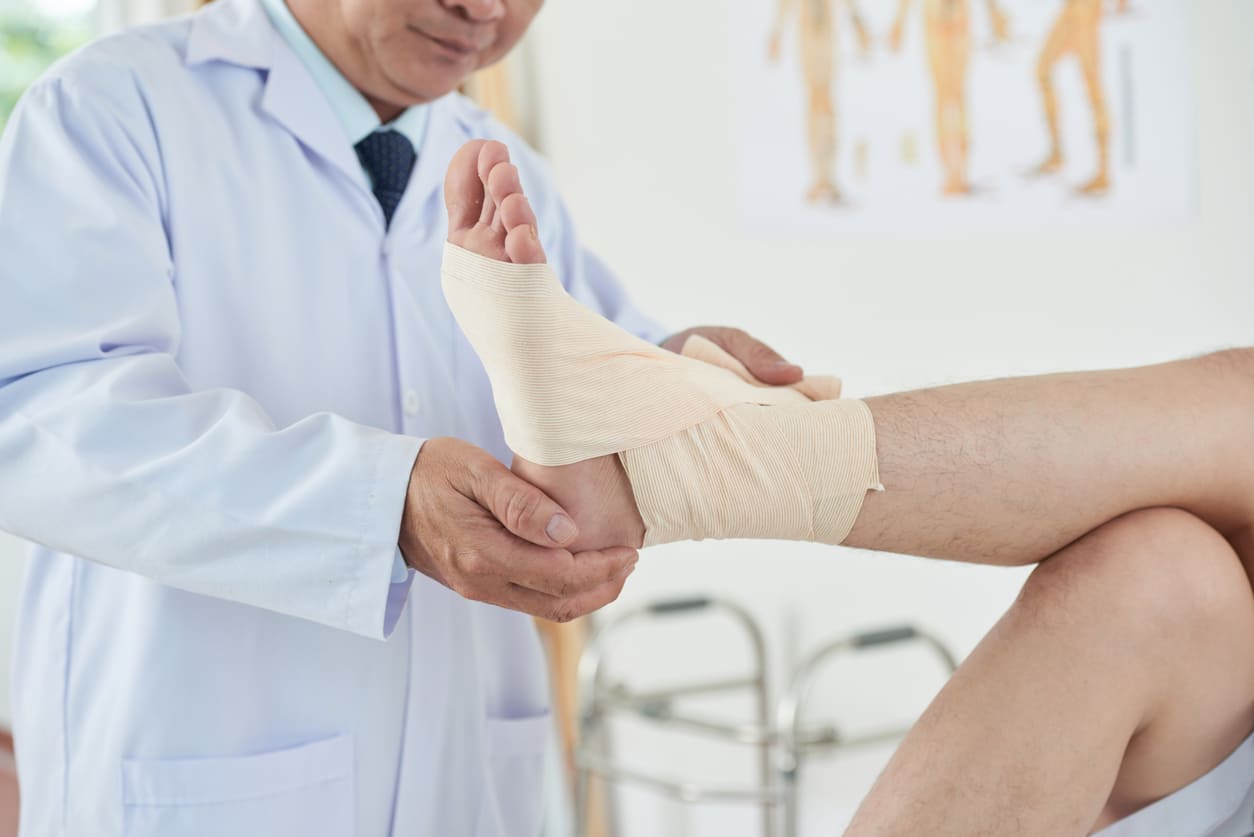
    Diabetes is one of the most common diseases on the planet. Diabetes can lead to several other issues in the body like heart disease, weaken nerves, kidney diseases, and so on. Diabetes also makes a patient prone to getting wounds, blisters and cuts that have difficulty healing naturally due to side effects of diabetes. Here are 5 side effects which can impact the wound healing process for a diabetic patient.


    1. Neuropathy

    High blood sugar gradually destroys nerves which cause patients to hardly feel any pain or sensation. This makes them less aware of any developing cuts, blisters or wounds. Damaging of nerves makes patients less sensitive to pain and by the time they realize there is actually a wound present, the problem has escalated and the wound is too mature to heal easily. To avoid such instances, diabetic patients need to be physically examined every now and then in order to prevent the chances of ‘silent’ wound growth. Mostly diabetic patients can’t perform much physical activity and their immobile lifestyle is also bad for their body and can lead to the development of wounds or ulcers. Body parts like limbs and feet are vulnerable to wounds and ulcers which can be avoided by taking precautionary steps such as cleaning the feet and legs well to avoid outside infection, using well-fitting shoes to benefit the feet.


    2. Circulation Problems

    Circulation of blood helps wounds heal quickly, but in diabetic patients blood vessels become narrowed, which allows less oxygen to reach the wound site. To make matters worse, the rise in glucose level decreases the functioning of RBC (Red blood cells) that carry healing nutrients to the wounded area and it also limits the effectiveness of WBC (White blood cells) that fight infections.


    3. Blood Glucose Levels

    Diabetes causes the body to struggle with handling blood sugar levels and levels of glucose. An elevated blood glucose level causes high blood pressure, weakening of arteries, narrowing of blood vessels and several other complications. Experts offering wound care treatment in Baltimore recently suggested some new therapies like Hyperbaric oxygen therapy to treat chronic wounds in diabetic patients.


    4. Immune System Inefficiency

    Elevated blood sugar means less ability to fight infections. In diabetes, immune cells cannot function properly in wound healing which results in an increased risk of bacterial infections. More enzymes and hormones are produced in the body due to high blood sugar which directly weakens the immune system and makes the body more prone to illness and infections in diabetes.


    5. Chronic Inflammation

    Inflammation is a stage of wound healing which is natural and certain, but in the diabetic wound, healing Inflammation does not go away for a longer period of time than in normal wound healing process. The imbalance process of producing and degrading collagen makes the wounds healing multiple times harder.

    The impact of diabetes in wound healing make the entire process of wound care treatment so much harder and complicated, which can be prevented by stopping wounds growing at first for which precaution methods can be taken. Frequent body checking, keeping feet and other parts clean are some ways of doing that.


    If you need to see one of our podiatrists in Baltimore and the surrounding area or have any questions about the diabetic side effects described above, check out our Podiatry Associates locations and find a podiatrist near you. Feel free to call our scheduling office to discuss your specific situation: (833) 500-FEET.


    Podiatry Associates of Bel Air

    The best podiatrists in Bel Air, MD.

    1 N Main St.

    Bel Air, MD 21014

    Phone: 410-879-1212


    Podiatry Associates of Columbia

    The best podiatrists in Columbia, MD.

    5500 Knoll N Dr #440

    Columbia, MD 21045

    Phone: 410-730-0970


    Podiatry Associates of Baltimore (Franklin Square)

    The best podiatrists in Baltimore, MD.

    9105 Franklin Square Dr #206

    Baltimore, MD 21237

    Phone: 410-574-3900


    Podiatry Associates of Towson (GBMC)

    The best podiatrists in Towson, MD.

    6569 N Charles St # 702

    Towson, MD 21204

    Phone: 410-828-5420

    Note: GBMC Physicians Pavilion West


    Podiatry Associates of Baltimore (Medstar Good Samaritan Hospital)

    The best podiatrists in, MD.

    5601 Loch Raven Blvd # 400

    Baltimore, MD 21239

    Phone: 410-433-2500


    Podiatry Associates of Perry Hall

    The best podiatrists in Baltimore, MD.

    9712 Belair Rd # Ll3

    Baltimore, MD 21236

    Phone: 410-256-6060


    Podiatry Associates of Baltimore (UMD Midtown)

    The best podiatrists in Baltimore, MD.

    827 Linden Ave

    Baltimore, MD 21201

    Phone: 410-462-5420


    Podiatry Associates of Havre De Grace

    The best podiatrists in Havre De Grace, MD.

    1500 Blenheim, Farm Ln Suite C

    Havre De Grace, MD 21078

    Phone: 410-939-0055


    [/et_pb_text][/et_pb_column][/et_pb_row][/et_pb_section][et_pb_section fb_built=”1″ _builder_version=”3.22″ custom_padding=”5px|0px|54px|0px|false|false” global_colors_info=”{}”][et_pb_row _builder_version=”3.25″ background_size=”initial” background_position=”top_left” background_repeat=”repeat” global_colors_info=”{}”][et_pb_column type=”4_4″ _builder_version=”3.25″ custom_padding=”|||” global_colors_info=”{}” custom_padding__hover=”|||”][et_pb_text _builder_version=”3.29.3″ hover_enabled=”0″ global_colors_info=”{}” sticky_enabled=”0″]

    Time to See a Podiatrist?

    If you have any of the issues described above, it’s time to consult an expert. Connect with Podiatry Associates for an evaluation. All of our doctors are board certified/qualified and we’re dedicated to preserving your foot health.


    Other Related Articles:

    [/et_pb_text][/et_pb_column][/et_pb_row][/et_pb_section]