Month: October 2019

  • How Do You Fix a Hammer Toe?

    How Do You Fix a Hammer Toe?

    [et_pb_section fb_built=”1″ _builder_version=”3.22″ custom_padding=”3px|0px|14px|0px|false|false” fb_built=”1″ bb_built=”1″ _i=”0″ _address=”0″][et_pb_row _builder_version=”3.25″ background_size=”initial” background_position=”top_left” background_repeat=”repeat” _i=”0″ _address=”0.0″][et_pb_column type=”4_4″ _builder_version=”3.25″ custom_padding=”|||” _i=”0″ _address=”0.0.0″ custom_padding__hover=”|||”][et_pb_text _builder_version=”3.29.3″ _i=”0″ _address=”0.0.0.0″]

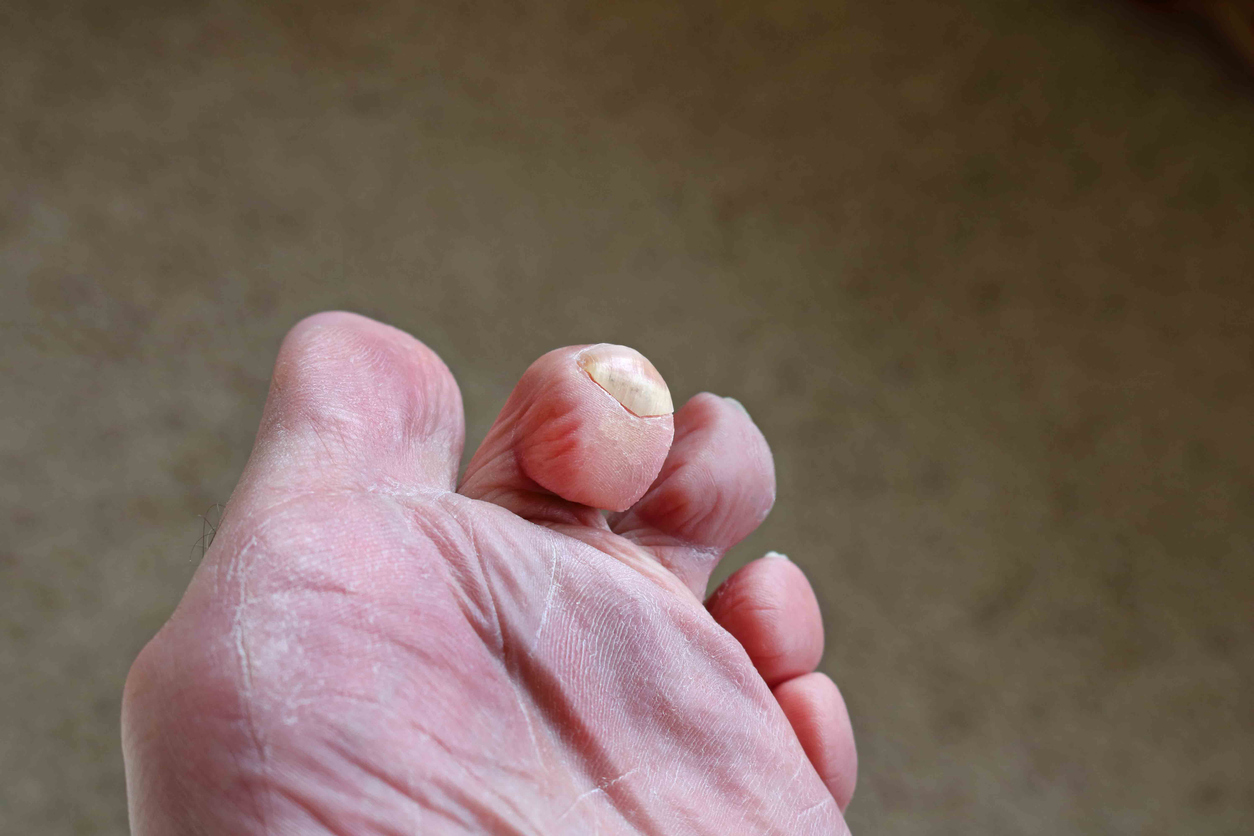
    A hammer toe (or claw toe) is the bending of the toe at the joint which occurs when a muscle imbalance in the toe causes increased pressure on the joint. You can fix hammer toes in the following ways: 

    • Padding and taping the area to minimize stress and pain
    • Medication such as anti-inflammatory drugs or cortisone injections
    • Orthotic devices to control foot function and attempt prevention of  worsening of the hammer toe
    • Surgical procedures to remove the bony prominence and restore alignment of the joint. Severe hammer toes require more complex procedures.

    The best treatment will depend on the condition of the patient. If you think you may be developing hammer toes, the best thing to do is to closely follow methods of hammer toe prevention. Consult one of our podiatrists at Podiatry Associates before deciding on any treatment.   


    Do Hammer Toes Get Worse?

    Unfortunately, hammer toes do not go away on their own and they most often get worse over time if not properly treated. How fast the hammer toe condition will worsen really depends on the particular case. The best way to find out the severity of your hammer toes is to speak to one of our podiatrists in Baltimore and the surrounding areas.

    You can schedule an evaluation of your hammer toes at Podiatry Associates with one of our many foot and ankle specialists by calling (833) 500-FEET or contacting us.


    What is the Recovery Time for Hammer Toe Surgery?

    After you’ve had hammer toe surgery in Baltimore, or your local Podiatry Associates office, the recovery time (for a healthy adult) is about 6 weeks. The time it takes to return to normal shoe wear and normal activities does depend on how serious the condition was before the surgery and can vary from 2 weeks to 3 months. 


    How to Fix Hammer Toes Without Surgery?

    If you’re wondering how to treat hammer toes without surgery, the treatment options vary depending on the type and severity of the hammer toe.

    Your podiatrist can recommend the appropriate line of treatment upon examination of the affected area. Recommendations for non-surgical hammer toe treatment could consist of:

    • Padding and taping the area to minimize stress and pain (toe splints could also be used)
    • Medication such as anti-inflammatory drugs or cortisone injections
    • Orthotics or arch support devices to control foot function and attempt prevention (or attempt to slow worsening of the hammer toe)
    • Supportive shoes with a wider toe box
    • Modify your lifestyle or eliminate activities that cause aggravation
    • Physical therapy or ultrasound techniques to strengthen the foot and toe muscles


    If you need hammer toe treatment in Baltimore and the surrounding area or have any questions about the treatments described above, check out our Podiatry Associates locations and find a podiatrist near you. Feel free to call our scheduling office to discuss your specific situation: (833) 500-FEET.


    [/et_pb_text][/et_pb_column][/et_pb_row][/et_pb_section][et_pb_section fb_built=”1″ _builder_version=”3.22″ custom_padding=”5px|0px|54px|0px|false|false” fb_built=”1″ bb_built=”1″ _i=”1″ _address=”1″][et_pb_row _builder_version=”3.25″ background_size=”initial” background_position=”top_left” background_repeat=”repeat” _i=”0″ _address=”1.0″][et_pb_column type=”4_4″ _builder_version=”3.25″ custom_padding=”|||” _i=”0″ _address=”1.0.0″ custom_padding__hover=”|||”][et_pb_text _builder_version=”3.29.3″ hover_enabled=”0″ _i=”0″ _address=”1.0.0.0″]

    Time to See a Podiatrist?

    If you have any of the issues described above, it’s time to consult an expert. Connect with Podiatry Associates for an evaluation. All of our doctors are board certified/qualified and we’re dedicated to preserving your foot health.


    Other Related Articles:

    [/et_pb_text][/et_pb_column][/et_pb_row][/et_pb_section]

  • What are the Misconceptions about Ingrown Toenails?

    What are the Misconceptions about Ingrown Toenails?

    [et_pb_section fb_built=”1″ _builder_version=”3.22″ custom_padding=”3px|0px|14px|0px|false|false” bb_built=”1″ _i=”0″ _address=”0″][et_pb_row _builder_version=”3.25″ background_size=”initial” background_position=”top_left” background_repeat=”repeat” _i=”0″ _address=”0.0″][et_pb_column type=”4_4″ _builder_version=”3.25″ custom_padding=”|||” _i=”0″ _address=”0.0.0″ custom_padding__hover=”|||”][et_pb_text _builder_version=”3.27.4″ _i=”0″ _address=”0.0.0.0″]

    Normally, your toenails should continue to grow straight, but sometimes you can develop an issue like an ingrown toenail. This happens when your toenail grows into the side or corner of your nail bed. An ingrown toenail is a very common issue and often develops in one of your big toes or halluxes. The nail can dive deep into the side of your toenail bed and cause irritation like redness, swelling, and sometimes infection. Here are other causes and symptoms of ingrown toenails.

    A lot of people know that the best way to deal with an ingrown toenail is to see your podiatrist. However, some individuals have fallen to believe in some misconceptions about ingrown toenails and are hesitant to go for surgery to remove ingrown toenail.


    Do Ingrown Toenails Consistently Leave on Their Own?

    No. Quite the opposite, if you leave the ingrown toenail alone and don’t deal with it properly, it can keep returning. Moreover, the cause of your foot pain could be more serious than you think, such as an infection that needs immediate attention. It’s always safer to check with your podiatrist for a proper diagnosis. 


    Can Ingrown Toenail Treatment Be Performed at Home?

    No. While it is true that there are a few simple home remedies that can somewhat help your ingrown toenail,  you should consult a podiatrist about ingrown nail surgery, especially if your ingrown toenail keeps coming back. Also, ingrown toenails are performed as an in-office surgery by the podiatrist instead of the hospital, which makes the experience much more tolerable.


    Footwear Can’t Be the Cause of Ingrown Toenails, Right?

    No. Tragically, a large number of individuals believe this misconception. Wearing appropriately fitting and supportive footwear has a HUGE impact on the health of your feet. If your shoes are too loose or too tight in the toe area, this can definitely irritate your toes and can lead to recurring ingrown toenails. 


    Does Cutting an Indent or Bend in the Nail Cause it to Develop Correctly?

    No. This is just not the case. Whether you have an ingrown toenail or not, there is only one appropriate way to trim your nails. You should cut the white tips of your nails across the top so that there is only a thin strip of white remaining. You should never cut the side of your nail. Cutting an indent or bend in the side of your nail will not help since the cause of the problem is at the root of your nail. As long as that part of the nail root is still alive, it will continue to grow that part of the nail that is irritating the corner of your toe. When the podiatrist numbs your toe and performs the minor ingrown toenail surgery, he will split the nail at the correct distance from the edge of the toenail bed and then use a dab of medicine to kill that extra section of your nail bed, which is creating the problem. 


    Does Lifting an Ingrown Toenail with Dental Floss at Home Take Care of the Issue?

    No. Some individuals think that they can fix their ingrown toenail by lifting it with some dental floss. Again, as discussed above, the issue is at the root of the nail. It’s not a matter of simply changing the direction that the nail is growing. The podiatrist most likely needs to eliminate a small section of your nail root so that your nail doesn’t keep growing into the edge of your toe and keep irritating it. Using dental floss to pull your nail could potentially cause more damage and pain to your ingrown toenail. Please call Podiatry Associates and schedule an appointment for your ingrown toenail.  


    If you’re wondering when you should go to the doctor for an ingrown toenail, remember that your health is very precious and worth the time and attention of a doctor. If you need ingrown toenail treatment in the Baltimore and the surrounding areas or have any questions about the treatments described above, check out our Podiatry Associates locations and find a podiatrist near you. Feel free to call our scheduling office to discuss your specific situation: (833) 500-FEET.

    [/et_pb_text][/et_pb_column][/et_pb_row][/et_pb_section][et_pb_section fb_built=”1″ _builder_version=”3.22″ custom_padding=”5px|0px|54px|0px|false|false” bb_built=”1″ _i=”1″ _address=”1″][et_pb_row _builder_version=”3.25″ background_size=”initial” background_position=”top_left” background_repeat=”repeat” _i=”0″ _address=”1.0″][et_pb_column type=”4_4″ _builder_version=”3.25″ custom_padding=”|||” _i=”0″ _address=”1.0.0″ custom_padding__hover=”|||”][et_pb_text _builder_version=”3.29.3″ hover_enabled=”0″ _i=”0″ _address=”1.0.0.0″]

    Time to See a Podiatrist?

    If you have any of the issues described above, it’s time to consult an expert. Connect with Podiatry Associates for an evaluation. All of our doctors are board certified/qualified and we’re dedicated to preserving your foot health.


    Other Related Articles:

    [/et_pb_text][/et_pb_column][/et_pb_row][/et_pb_section]