Category: Surgical Procedures

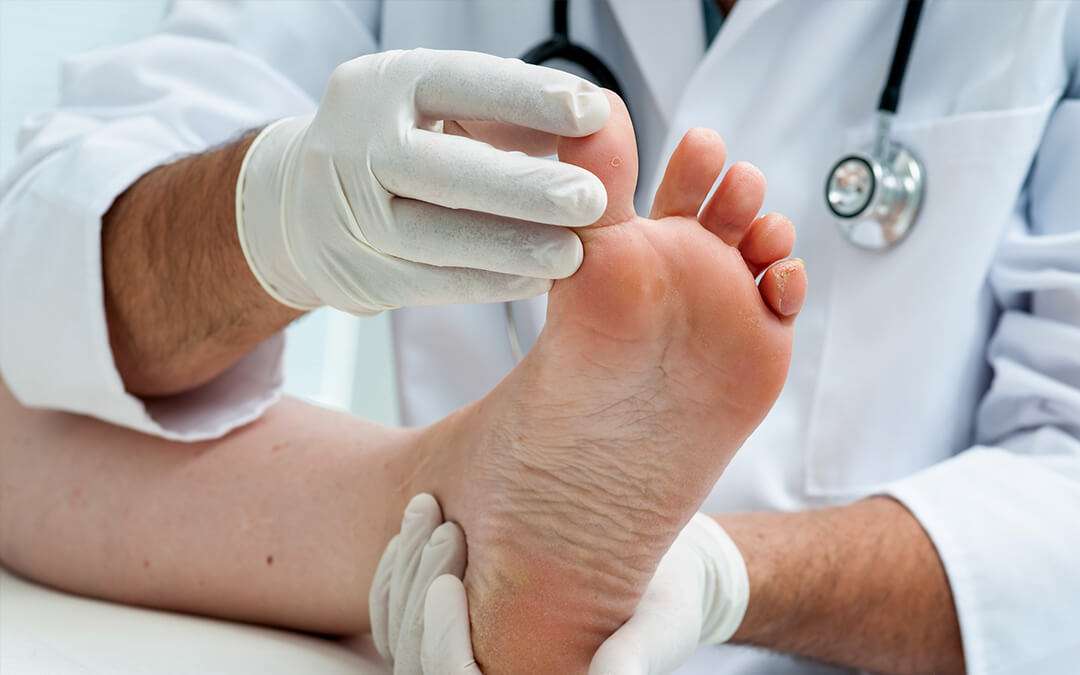
  • 7 Smart Tips for Diabetic Foot Care Treatment

    7 Smart Tips for Diabetic Foot Care Treatment

    [et_pb_section fb_built=”1″ _builder_version=”3.22″ custom_padding=”3px|0px|14px|0px|false|false” fb_built=”1″ da_disable_devices=”off|off|off” bb_built=”1″ _i=”0″ _address=”0″ da_is_popup=”off” da_exit_intent=”off” da_has_close=”on” da_alt_close=”off” da_dark_close=”off” da_not_modal=”on” da_is_singular=”off” da_with_loader=”off” da_has_shadow=”on”][et_pb_row _builder_version=”3.25″ background_size=”initial” background_position=”top_left” background_repeat=”repeat” _i=”0″ _address=”0.0″][et_pb_column type=”4_4″ _builder_version=”3.25″ custom_padding=”|||” _i=”0″ _address=”0.0.0″ custom_padding__hover=”|||”][et_pb_text _builder_version=”3.29.3″ _i=”0″ _address=”0.0.0.0″]

    If you have been diagnosed with diabetes, it is essential to take care of your feet. Diabetics are prone to foot-related issues since the condition can lead to nerve damage and reduced blood flow. While you should seek diabetic foot care treatment in Baltimore, there are a few other things you can do to ensure that your feet are healthy.


    Inspect Your Feet

    Make it a point to inspect your feet daily. Ensure there are no cuts, blisters, inflammation, or redness. Check the bottom of the feet as well. If you notice anything amiss, consult your healthcare provider right away.


    Professional Podiatric Care

    Rather than trimming your own toenails, opt for diabetic foot care from a podiatrist. This will ensure that you do not suffer from ingrown toenails or hurt yourself while cutting your toenails. Remember that the toenails should be cut straight and the edges should be filed with a nail file.


    Pamper Your Feet

    Wash your feet every day and make it a point to dry them thoroughly. Don’t forget to dry between the toes. Massage your feet with a good foot lotion but refrain from applying it between the toes. The area between your toes is vulnerable to infection and keeping it dry should be a priority. Avoid walking barefoot as you can injure your feet without realizing it.


    Wear the Right Footwear

    It is best to invest in a pair of diabetic shoes to prevent complications. Ensure that the lining inside the shoes is smooth and there is nothing that can hurt your feet. Also, make sure that the shoes fit you well and are comfortable to wear. They should not be too tight or pinch the skin.


    Treating Foot Issues

    In case you develop corns, calluses, or ingrown toenails, don’t attempt to treat it yourself. Instead, opt for professional podiatrist diabetic foot care. A podiatrist will be able to help you with all foot care-related issues. If you develop an ulcer on your foot, you will need to address it with the right diabetic foot ulcer treatment.


    Rest Your Feet

    When you are sitting down, refrain from crossing your feet. Instead, keep them elevated to avoid swelling and wiggle your toes to give them a gentle workout. It will enhance blood flow to the toes and prevent further nerve damage.


    Visit a Podiatrist Regularly

    Make it a point to visit a podiatrist regularly so that you can enjoy optimal foot care. The podiatrist will also teach you how to take care of your feet between visits.

    These are some of the top tips for diabetic foot care treatment. Keeping these in mind on a daily basis will go a long way in helping your feet stay healthy. Couple this with professional diabetic foot care treatment in Baltimore and your feet will thank you for it.

    [/et_pb_text][/et_pb_column][/et_pb_row][/et_pb_section][et_pb_section fb_built=”1″ _builder_version=”3.22″ custom_padding=”3px|0px|14px|0px|false|false” fb_built=”1″ da_disable_devices=”off|off|off” bb_built=”1″ _i=”1″ _address=”1″ da_is_popup=”off” da_exit_intent=”off” da_has_close=”on” da_alt_close=”off” da_dark_close=”off” da_not_modal=”on” da_is_singular=”off” da_with_loader=”off” da_has_shadow=”on”][et_pb_row _builder_version=”3.25″ background_size=”initial” background_position=”top_left” background_repeat=”repeat” _i=”0″ _address=”1.0″][et_pb_column type=”4_4″ _builder_version=”3.25″ custom_padding=”|||” _i=”0″ _address=”1.0.0″ custom_padding__hover=”|||”][et_pb_text _builder_version=”3.29.3″ _i=”0″ _address=”1.0.0.0″]

    Time to See a Podiatrist?

    If you have any of the issues described above, it’s time to consult an expert. Connect with Podiatry Associates for an evaluation. All of our doctors are board certified/qualified and we’re dedicated to preserving your foot health.


    Other Related Articles:

    [/et_pb_text][/et_pb_column][/et_pb_row][/et_pb_section]
  • How To Prevent And Treat Your Baby’s Ingrown Toenails

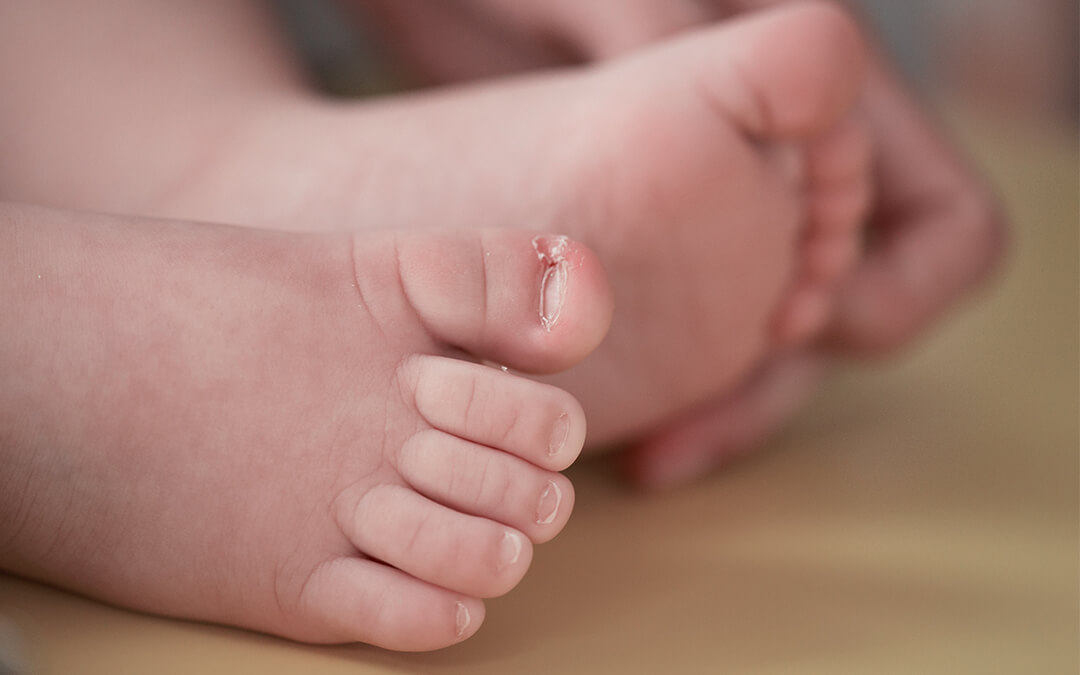
    How To Prevent And Treat Your Baby’s Ingrown Toenails

    [et_pb_section fb_built=”1″ _builder_version=”3.22″ custom_padding=”3px|0px|14px|0px|false|false” fb_built=”1″ da_disable_devices=”off|off|off” bb_built=”1″ _i=”0″ _address=”0″ da_is_popup=”off” da_exit_intent=”off” da_has_close=”on” da_alt_close=”off” da_dark_close=”off” da_not_modal=”on” da_is_singular=”off” da_with_loader=”off” da_has_shadow=”on”][et_pb_row _builder_version=”3.25″ background_size=”initial” background_position=”top_left” background_repeat=”repeat” _i=”0″ _address=”0.0″][et_pb_column type=”4_4″ _builder_version=”3.25″ custom_padding=”|||” _i=”0″ _address=”0.0.0″ custom_padding__hover=”|||”][et_pb_text _builder_version=”3.29.3″ _i=”0″ _address=”0.0.0.0″]

    As a parent, you are aware that proper hygiene is imperative for your baby’s health and wellbeing. While most parents take the utmost care, many often overlook foot and toenail hygiene and care. If you do not take care of your baby’s toenails, you will have to contend with ingrown toenails, which are painful and uncomfortable for your little one. Opting against ingrown toenail treatment in Baltimore could result in an infection.


    Inspect Your Feet

    Thankfully, there are ways to prevent and treat ingrown toenails in babies. You will be surprised how simple it can be.


    Symptoms

    Since ingrown toenails cut into the delicate skin of babies, the most obvious symptom is pain and discomfort. You may find your infant crying or being fretful while holding the foot that is affected. The child may also cry when you put socks on.

    Another symptom of an ingrown toenail is inflammation and redness around the affected nail. If you notice that there is a buildup of yellow or semi-white fluid in the swollen part of the skin, it means your little one has an infection. This will require ingrown toenail treatment to prevent it from getting worse.


    Treating and Preventing Ingrown Toenails

    To combat the pain and swelling, you can either use an OTC antibiotic ointment or you can consult your pediatrician. Apply the ointment as stated on the label until the swelling and redness disappears.

    Soak the affected foot in warm, soapy water. This will not only help with the discomfort, but it will allow you to get access to the ingrown nail. Lift the nail gently from the skin and use a nail file to the nail so that it is not growing into the skin.

    Rather than waiting for ingrown toenails to occur, you can preempt this problem. Remember, infants have soft toenails and skin, and the nails are rather pliable. That means that they can easily grow downwards, into the skin.

    You can prevent ingrown toenails by ensuring that you cut your little one’s toenails straight rather than in a curve. Ensure that the nails are not cut close to the skin. Instead, you should aim to keep them a little longer as this will prevent the nails from growing into the toes.

    Another way to prevent ingrown toenails in babies is to ensure that you do not let your baby wear tight shoes or socks. This will prevent the socks or shoes from pressing the nails into the skin.


    In Conclusion

    If after all the preventive measures and home treatment you find that your baby is still suffering from ingrown toenails, do not delay in consulting a specialist. You can opt for ingrown toenail treatment in Baltimore to provide instant relief to your little angel.

    [/et_pb_text][/et_pb_column][/et_pb_row][/et_pb_section][et_pb_section fb_built=”1″ _builder_version=”3.22″ custom_padding=”3px|0px|14px|0px|false|false” fb_built=”1″ da_disable_devices=”off|off|off” bb_built=”1″ _i=”1″ _address=”1″ da_is_popup=”off” da_exit_intent=”off” da_has_close=”on” da_alt_close=”off” da_dark_close=”off” da_not_modal=”on” da_is_singular=”off” da_with_loader=”off” da_has_shadow=”on”][et_pb_row _builder_version=”3.25″ background_size=”initial” background_position=”top_left” background_repeat=”repeat” _i=”0″ _address=”1.0″][et_pb_column type=”4_4″ _builder_version=”3.25″ custom_padding=”|||” _i=”0″ _address=”1.0.0″ custom_padding__hover=”|||”][et_pb_text _builder_version=”3.29.3″ _i=”0″ _address=”1.0.0.0″]

    Time to See a Podiatrist?

    If you have any of the issues described above, it’s time to consult an expert. Connect with Podiatry Associates for an evaluation. All of our doctors are board certified/qualified and we’re dedicated to preserving your foot health.


    Other Related Articles:

    [/et_pb_text][/et_pb_column][/et_pb_row][/et_pb_section]
  • Why Is Wound Healing Slower with Diabetes?

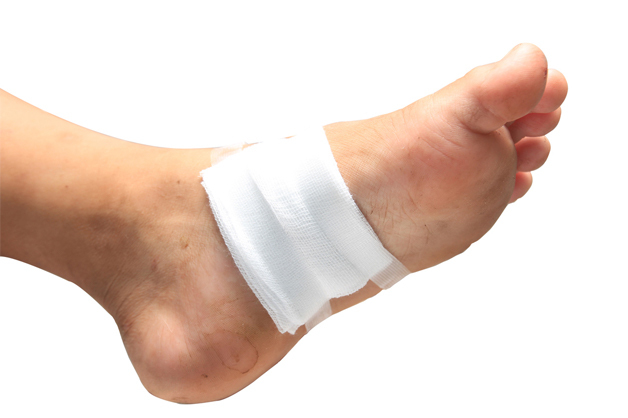
    Why Is Wound Healing Slower with Diabetes?

    [et_pb_section fb_built=”1″ _builder_version=”3.22″ custom_padding=”3px|0px|14px|0px|false|false” global_colors_info=”{}”][et_pb_row _builder_version=”3.25″ background_size=”initial” background_position=”top_left” background_repeat=”repeat” global_colors_info=”{}”][et_pb_column type=”4_4″ _builder_version=”3.25″ custom_padding=”|||” global_colors_info=”{}” custom_padding__hover=”|||”][et_pb_text _builder_version=”3.29.3″ hover_enabled=”0″ global_colors_info=”{}” sticky_enabled=”0″]

    Wound healing is slower in patients with diabetes because this disease prevents the body from properly handling sugar levels. Elevated glucose levels can cause damage to various systems in the human body. High blood glucose causes stiffening of the arteries, narrowing of blood vessels, and diabetic neuropathy, which can cause nerve damage throughout the body, especially the limbs.  These effects of diabetes increase the risk around foot ulcers and other open wounds and also makes it more difficult for them to heal.  

    Diabetic foot ulcer treatment in Baltimore and surrounding areas is available at our many podiatry locations. Our board certified podiatrists conduct diabetic foot ulcer treatment safely and successfully. Wounds are a big concern for diabetic patients and they require a lot of attention. Even small cuts or blisters may quickly become more severe in diabetic patients. Ingrown toenails, skin ulcers, or calluses will also cause a breakdown of tissue and an increased risk of infection. That is why it’s so crucial to seek immediate treatment for diabetic wound care.


    Loss of Feeling

    Diabetic neuropathy can cause complications in patients and may delay the wound healing process as high blood sugar desolates the nerves. The nerve damage causes the patient’s limbs to become less sensitive to pain. Because of the loss of this sensation, the patient can easily overlook the onset of blisters, wounds or infections, which means the wound can worsen making it even harder to heal once it’s noticed.


    Loss of Circulation

    Wound healing also requires proper blood circulation, but due to diabetes the wound healing process is further delayed by circulation problems that prevent oxygen from reaching the wound. Elevated glucose levels also decrease the functioning of red blood cells that carry nutrients to the wound and also decrease the capacity of the white blood cells to fight infection. This further complicates the healing process. The elevated blood sugar levels lower the body’s capacity to fight infections, increasing the risk of getting infections.


    Higher Risk of Wound Development

    Patients with diabetes have a higher risk of foot ulcers, gangrene, sepsis, or bone infections like osteomyelitis. Diabetic foot ulcers get infected easily and become chronic causing complications like limb amputation. For this reason, the patient should be vigilant and do self-examinations daily to keep on the lookout for any signs of ulcers or wounds. They should focus on managing diabetes properly in order to improve the healing process for any current wounds. At the early onset of a wound, it is very important to see a podiatrist for effective foot ulcer treatment or wound care treatment in Baltimore. Diabetic foot ulcer treatment can be very effective and can help you minimize complications.

    If you’re looking for diabetic foot ulcer treatment in Baltimore and the surrounding areas, then please don’t hesitate to schedule an appointment at one of our locations. Feel free to call our scheduling office to discuss your specific situation: (833) 500-FEET.

    [/et_pb_text][/et_pb_column][/et_pb_row][/et_pb_section][et_pb_section fb_built=”1″ _builder_version=”3.22″ custom_padding=”5px|0px|54px|0px|false|false” global_colors_info=”{}”][et_pb_row _builder_version=”3.25″ background_size=”initial” background_position=”top_left” background_repeat=”repeat” global_colors_info=”{}”][et_pb_column type=”4_4″ _builder_version=”3.25″ custom_padding=”|||” global_colors_info=”{}” custom_padding__hover=”|||”][et_pb_text _builder_version=”4.14.7″ hover_enabled=”0″ global_colors_info=”{}” sticky_enabled=”0″]

    Time to See a Podiatrist?

    If you have any of the issues described above, it’s time to consult an expert. Connect with Podiatry Associates for an evaluation. All of our doctors are board certified/qualified and we’re dedicated to preserving your foot health.


    Other Related Articles:


    Podiatry Associates of Bel Air

    The best podiatrists in Bel Air, MD.

    1 N Main St.

    Bel Air, MD 21014

    Phone: 410-879-1212


    Podiatry Associates of Columbia

    The best rated foot doctors in Columbia, MD.

    5500 Knoll N Dr #440

    Columbia, MD 21045

    Phone: 410-730-0970


    Podiatry Associates of Baltimore (Franklin Square)

    The best podiatric surgery in Baltimore, MD.

    9105 Franklin Square Dr #206

    Baltimore, MD 21237

    Phone: 410-574-3900


    Podiatry Associates of Towson (GBMC)

    The top rated foot and ankle doctors in Towson, MD.

    6569 N Charles St # 702

    Towson, MD 21204

    Phone: 410-828-5420

    Note: GBMC Physicians Pavilion West


    Podiatry Associates of Baltimore (Medstar Good Samaritan Hospital)

    The best rated foot doctors in Baltimore, MD.

    5601 Loch Raven Blvd # 400

    Baltimore, MD 21239

    Phone: 410-433-2500


    Podiatry Associates of Perry Hall

    The best board certified podiatrists in Baltimore, MD.

    9712 Belair Rd # Ll3

    Baltimore, MD 21236

    Phone: 410-256-6060


    Podiatry Associates of Baltimore (UMD Midtown)

    The highest rated foot doctors in Baltimore, MD.

    827 Linden Ave

    Baltimore, MD 21201

    Phone: 410-462-5420


    Podiatry Associates of Havre De Grace

    The top rated foot doctors in Havre De Grace, MD.

    1500 Blenheim, Farm Ln Suite C

    Havre De Grace, MD 21078

    Phone: 410-939-0055

    [/et_pb_text][/et_pb_column][/et_pb_row][/et_pb_section]
  • What Happens If an Ingrown Toenail Goes Untreated?

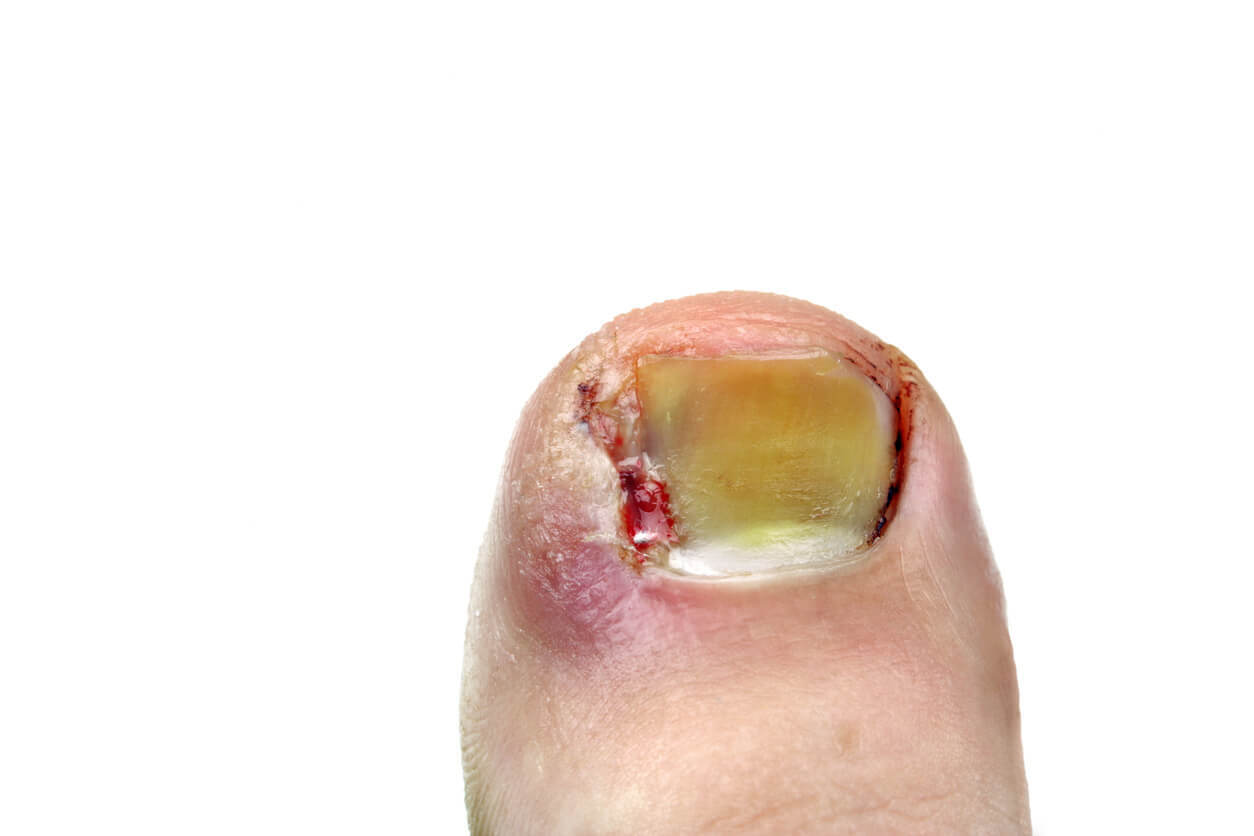
    What Happens If an Ingrown Toenail Goes Untreated?

    [et_pb_section fb_built=”1″ _builder_version=”3.22″ custom_padding=”3px|0px|14px|0px|false|false” fb_built=”1″ bb_built=”1″ _i=”0″ _address=”0″][et_pb_row _builder_version=”3.25″ background_size=”initial” background_position=”top_left” background_repeat=”repeat” _i=”0″ _address=”0.0″][et_pb_column type=”4_4″ _builder_version=”3.25″ custom_padding=”|||” _i=”0″ _address=”0.0.0″ custom_padding__hover=”|||”][et_pb_text _builder_version=”3.29.3″ _i=”0″ _address=”0.0.0.0″]

    Depending on its severity, and if left unattended, an untreated ingrown toenail could become infected and worsen, spreading to the bone. If it’s already infected and is showing signs of red inflammation and/or pus, then you should schedule an appointment to see the podiatrist. 


    What Does a Bad Ingrown Toenail Look Like?

    Ingrown toenails typically begin with a bit of swelling and redness around the corner of the nail bed, where it’s being irritated. The area will also feel tender to the touch. 

    But if the mild sensitivity worsens or the swelling and redness begins to spread, then these are signs of a bad ingrown toenail requiring medical attention. Also, if your untreated ingrown toenail has begun to bleed or weep pus it’s also a good idea to call the doctor.


    When Should I Be Concerned About My Ingrown Toenail?

    If your ingrown toenail is causing you anything more than minimal irritation then you should have your local foot doctor examine it. Some symptoms you should be concerned with are:

    • Increased pain
    • Bleeding
    • Oozing yellow or white pus
    • Skin overgrowing the nail
    • Increased inflammation and redness


    If you’re a diabetic or have circulation or blood clotting problems, then you should always seek immediate medical attention when there are signs of an ingrown toenail.

    Need ingrown toenail treatment in the Baltimore and the surrounding areas or have any questions about the info above? Check out our Podiatry Associates locations and find a podiatrist near you. Feel free to call our scheduling office to discuss your specific situation: (833) 500-FEET.

    [/et_pb_text][/et_pb_column][/et_pb_row][/et_pb_section][et_pb_section fb_built=”1″ _builder_version=”3.22″ custom_padding=”5px|0px|54px|0px|false|false” fb_built=”1″ bb_built=”1″ _i=”1″ _address=”1″][et_pb_row _builder_version=”3.25″ background_size=”initial” background_position=”top_left” background_repeat=”repeat” _i=”0″ _address=”1.0″][et_pb_column type=”4_4″ _builder_version=”3.25″ custom_padding=”|||” _i=”0″ _address=”1.0.0″ custom_padding__hover=”|||”][et_pb_text _builder_version=”3.29.3″ _i=”0″ _address=”1.0.0.0″]

    Time to See a Podiatrist?

    If you have any of the issues described above, it’s time to consult an expert. Connect with Podiatry Associates for an evaluation. All of our doctors are board certified/qualified and we’re dedicated to preserving your foot health.


    Other Related Articles:

    [/et_pb_text][/et_pb_column][/et_pb_row][/et_pb_section]
  • Do High Heels Cause Bunions?

    Do High Heels Cause Bunions?

    [et_pb_section fb_built=”1″ _builder_version=”3.22″ custom_padding=”3px|0px|14px|0px|false|false” fb_built=”1″ bb_built=”1″ _i=”0″ _address=”0″][et_pb_row _builder_version=”3.25″ background_size=”initial” background_position=”top_left” background_repeat=”repeat” _i=”0″ _address=”0.0″][et_pb_column type=”4_4″ _builder_version=”3.25″ custom_padding=”|||” _i=”0″ _address=”0.0.0″ custom_padding__hover=”|||”][et_pb_text _builder_version=”3.29.3″ _i=”0″ _address=”0.0.0.0″]

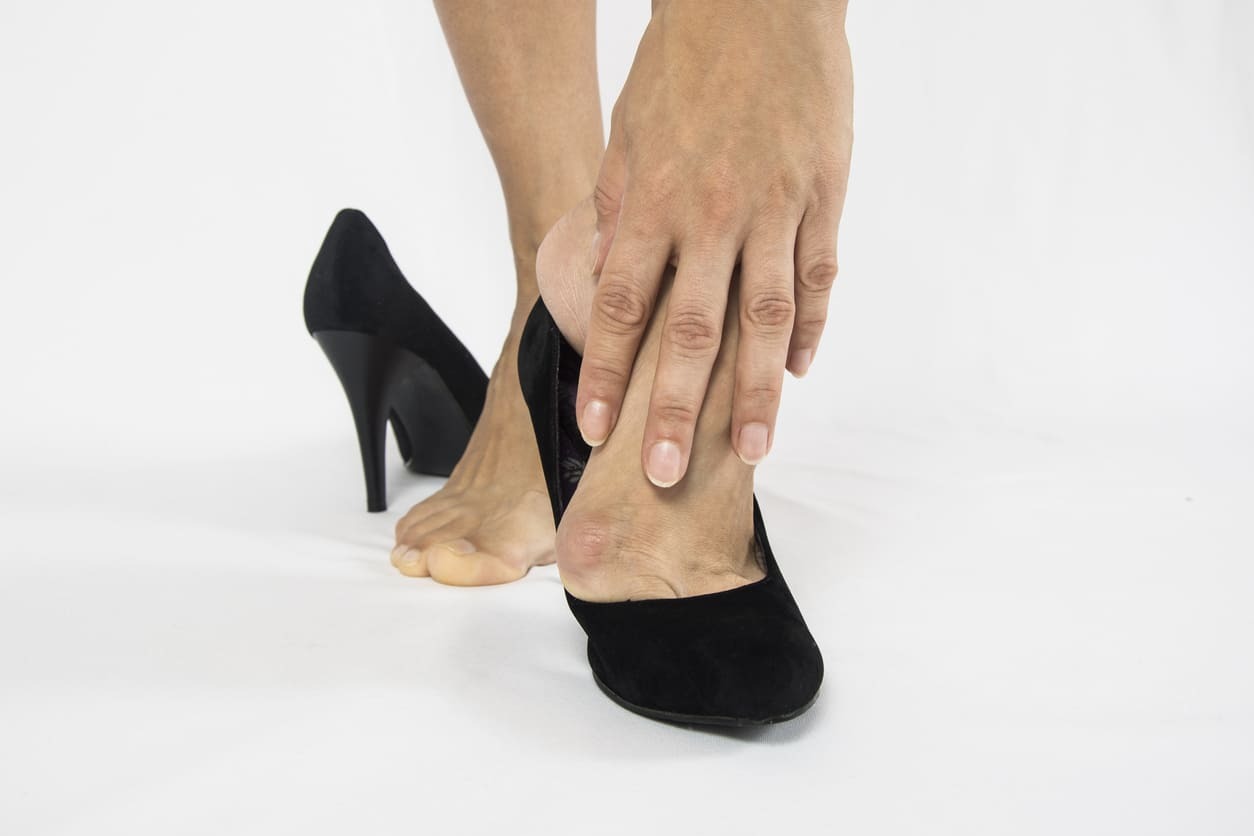
    An integral part of almost every woman’s shoe rack is high heels. Women are simply in love with how they look. However, they hate having to walk around in them for very long because high heels aren’t the most comfortable shoe wear. But many women wouldn’t be wearing high heels if they knew that it could eventually result in the need for bunions surgery.

    Picture yourself in the retail store choosing a new pair of heels. Being completely honest with yourself, do you select the shoes that look the best on you or those that are the most comfortable? Don’t worry – we all fall into this trap of fashion over comfort. But here’s something for you to keep in mind next time you’re out shoe shopping: wearing high heels can lead to the development of painful bunions.

    High heels make you look smart, stylish, fashionable, and modern, but if you wear ill-fitted high heels just for the sake of it, you will end up experiencing foot problems that can often cause bunions that can result in excruciating pain. If you experience extreme bunion pain, the doctor might advise bunions surgery.

    But let’s take a step back and examine what are bunions and how they develop.


    Definition of Bunions

    When the big toe joint develops an enormous bump made of bones, especially on the insides of the foot, this is called a bunion. They don’t happen at once, but grow slowly and gradually become worse with time.

    To be more specific, bunions occur when the bones located at the metatarsophalangeal joints become misaligned. This typically happens when there is excessive pressure on the big toe joint, which the big toe can’t perpetually tolerate, eventually causing it to lean on the second toe for support. A bump forms over time due to the change in the bone’s typical structure. 

    Usually, bunions develop at the joint of the big toe, but there are possibilities of it developing on the exterior portion of the pinky toe, better known as a bunionette or Tailor’s bunion. Approximately 23% of adults between the age of 18-65 tend to develop bunions. But this number increases to 35.7% with older people, especially above the age of 65.


    What Causes Bunions?

    Bunions occur more often in women than in men, usually due to the poor choice of shoes. But here are the typical causes of bunions: 

    • Shoes with a tight toe box, like high heels or shoes that are just too small
    • Genetics or heredity
    • Existing diseases like neuromuscular disease or rheumatoid arthritis – bunions are commonly associated with these conditions 


    How Do You Relieve Bunion Pain?

    Keeping in mind that tightly fitted shoes or high heels cause bunions, the first step to relieving the excruciating pain is to start wearing only comfortable shoes that have enough toe space.  You must eliminate the pressure on the toe in order to get rid of the pain. There are many shoes specifically designed for relieving bunion pain, but it’s best to consult with your local podiatrist to see what is the best path of healing for your feet.


    How Do You Treat Bunions?

    Begin by scheduling a visit with your foot doctor to see what is the best way to treat your unique case of bunion development. Here are some typical methods for treating bunions: 

    • Use shoes with a wider toe box
    • Use bunion-shield padding to help ease the pain
    • Apply ice at frequent intervals to minimize swelling
    • Wear special tailored orthotic devices
    • Schedule bunions surgery to help correct your feet if prescribed by your podiatrist


    Contact our bunion surgeons in Baltimore to know more and discuss if bunion surgery is right for your condition.

    [/et_pb_text][/et_pb_column][/et_pb_row][/et_pb_section][et_pb_section fb_built=”1″ _builder_version=”3.22″ custom_padding=”5px|0px|54px|0px|false|false” fb_built=”1″ bb_built=”1″ _i=”1″ _address=”1″][et_pb_row _builder_version=”3.25″ background_size=”initial” background_position=”top_left” background_repeat=”repeat” _i=”0″ _address=”1.0″][et_pb_column type=”4_4″ _builder_version=”3.25″ custom_padding=”|||” _i=”0″ _address=”1.0.0″ custom_padding__hover=”|||”][et_pb_text _builder_version=”3.29.3″ _i=”0″ _address=”1.0.0.0″]

    Time to See a Podiatrist?

    If you have any of the issues described above, it’s time to consult an expert. Connect with Podiatry Associates for an evaluation. All of our doctors are board certified/qualified and we’re dedicated to preserving your foot health.


    Other Related Articles:

    [/et_pb_text][/et_pb_column][/et_pb_row][/et_pb_section]
  • What You Should Know About Minimally Invasive Bunion Surgery

    What You Should Know About Minimally Invasive Bunion Surgery

    [et_pb_section fb_built=”1″ _builder_version=”3.22″ custom_padding=”3px|0px|14px|0px|false|false” fb_built=”1″ bb_built=”1″ _i=”0″ _address=”0″][et_pb_row _builder_version=”3.25″ background_size=”initial” background_position=”top_left” background_repeat=”repeat” _i=”0″ _address=”0.0″][et_pb_column type=”4_4″ _builder_version=”3.25″ custom_padding=”|||” _i=”0″ _address=”0.0.0″ custom_padding__hover=”|||”][et_pb_text _builder_version=”3.29.3″ _i=”0″ _address=”0.0.0.0″]

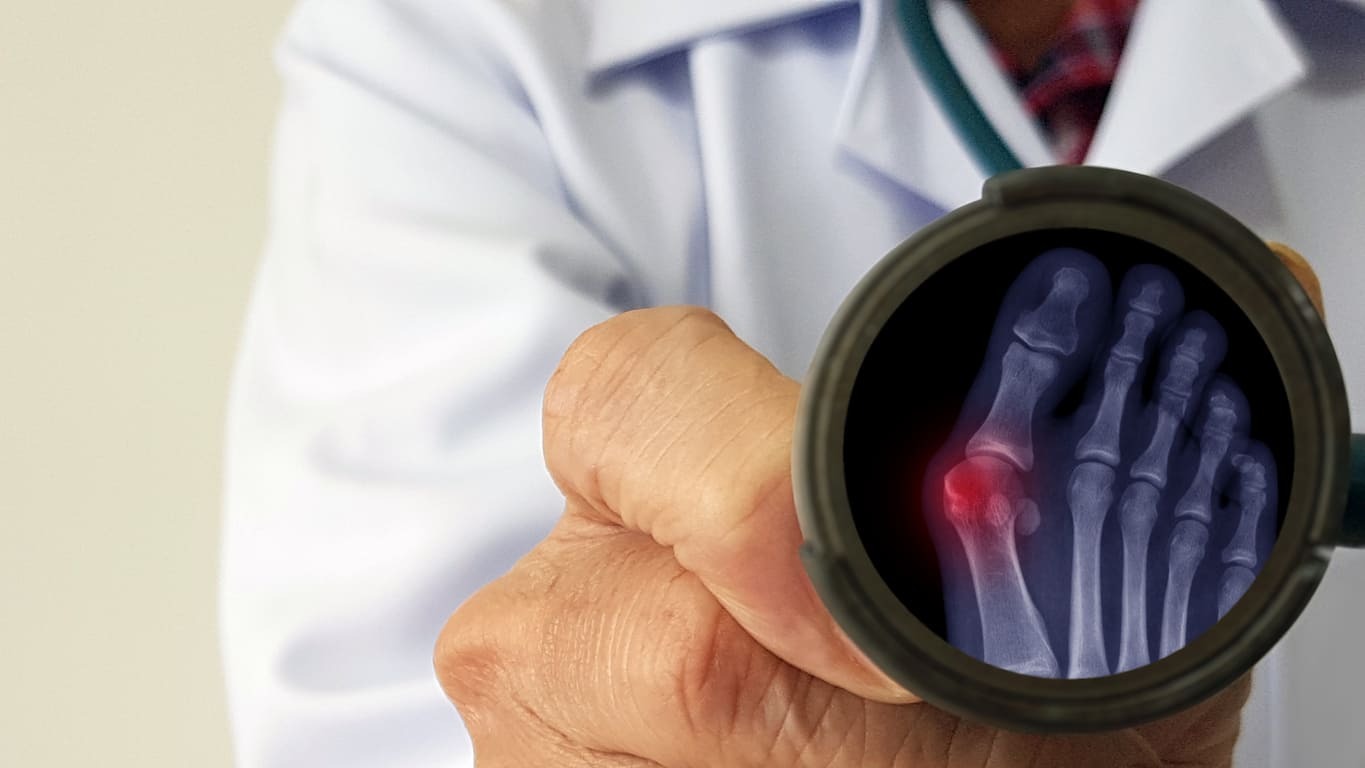
    One develops a bunion between the foot and the big toe. It is a painful condition, which results in a bony bump explicitly formed at the joint. The big toes of most patients tend to lean inward, thus allowing your big toe to become more pronounced and eventually leading to an inflamed toe condition. It must be remembered that it takes years for bunions to form. In the beginning there isn’t much pain, but over time can become quite harrowing. If you have developed painful bunions and are not able to bear the pain, which is causing a hindrance to walk, you should consult with one of our doctors about bunion surgery in Baltimore.

    One such invasive technique is MIS bunion surgery, which is also known as Minimally Invasive Surgery. MIS Bunion surgery is one of the preferred methods since very little intervention is required. This surgery does not need any long incision. Rather, this surgery can be carried out with only a few incisions. The smaller incision is performed to remove any excess bones. For this surgery, only one or two stitches are required. 

    One of the main benefits of MIS bunion surgery is the quick recovery time of the patients. They can often walk easily on their feet within a few days after the procedure is conducted. During the recovery process, the patient usually experiences very little pain compared to other procedures. Also, the scarring from the surgical operation is minimal because small incisions need fewer stitches.

    Irrespective of the type of surgical technique that you choose, it is essential for you to understand that there is a possibility of regrowth of the bunions. You may still experience pain in your joints, particularly when you have arthritis. In severe cases, and if appropriate care is not taken, there is a chance of losing your toe’s mobility. Therefore, carefully following post-surgery instructions is essential for increasing your chances for a full recovery.

    How to Improve Your Chances for a Full Recovery After Bunion Surgery

    1. Do not self-medicate. Instead, consult a doctor in case of any complications and closely follow their advice.
    2. Follow the doctors recommendations for prescribed drugs if you experience pain or inflammation
    3. If advised, take advantage of any physical activity for regaining the joint mobility
    4. Use wide shoes with plenty of room
    5. Follow the doctor’s recommendation and wear insoles accordingly
    6. Consider adhering to a postoperative diet that includes foods such as berries, oily fish, olive oil, garlic, and ginger.
    7. If you find your bunions are returning, you must consult your physician. There are various types of bunions and the doctor will help you understand the options for next steps.

    Contact our bunion surgeons in Baltimore to know more and discuss if MIS bunion surgery is right for your condition.

    [/et_pb_text][/et_pb_column][/et_pb_row][/et_pb_section][et_pb_section fb_built=”1″ _builder_version=”3.22″ custom_padding=”5px|0px|54px|0px|false|false” fb_built=”1″ bb_built=”1″ _i=”1″ _address=”1″][et_pb_row _builder_version=”3.25″ background_size=”initial” background_position=”top_left” background_repeat=”repeat” _i=”0″ _address=”1.0″][et_pb_column type=”4_4″ _builder_version=”3.25″ custom_padding=”|||” _i=”0″ _address=”1.0.0″ custom_padding__hover=”|||”][et_pb_text _builder_version=”3.29.3″ _i=”0″ _address=”1.0.0.0″]

    Time to See a Podiatrist?

    If you have any of the issues described above, it’s time to consult an expert. Connect with Podiatry Associates for an evaluation. All of our doctors are board certified/qualified and we’re dedicated to preserving your foot health.


    Other Related Articles:

    [/et_pb_text][/et_pb_column][/et_pb_row][/et_pb_section]
  • How to Treat an Infected Ingrown Toenail

    How to Treat an Infected Ingrown Toenail

    [et_pb_section fb_built=”1″ _builder_version=”3.22″ custom_padding=”3px|0px|14px|0px|false|false” fb_built=”1″ bb_built=”1″ _i=”0″ _address=”0″][et_pb_row _builder_version=”3.25″ background_size=”initial” background_position=”top_left” background_repeat=”repeat” _i=”0″ _address=”0.0″][et_pb_column type=”4_4″ _builder_version=”3.25″ custom_padding=”|||” _i=”0″ _address=”0.0.0″ custom_padding__hover=”|||”][et_pb_text _builder_version=”3.29.3″ _i=”0″ _address=”0.0.0.0″]

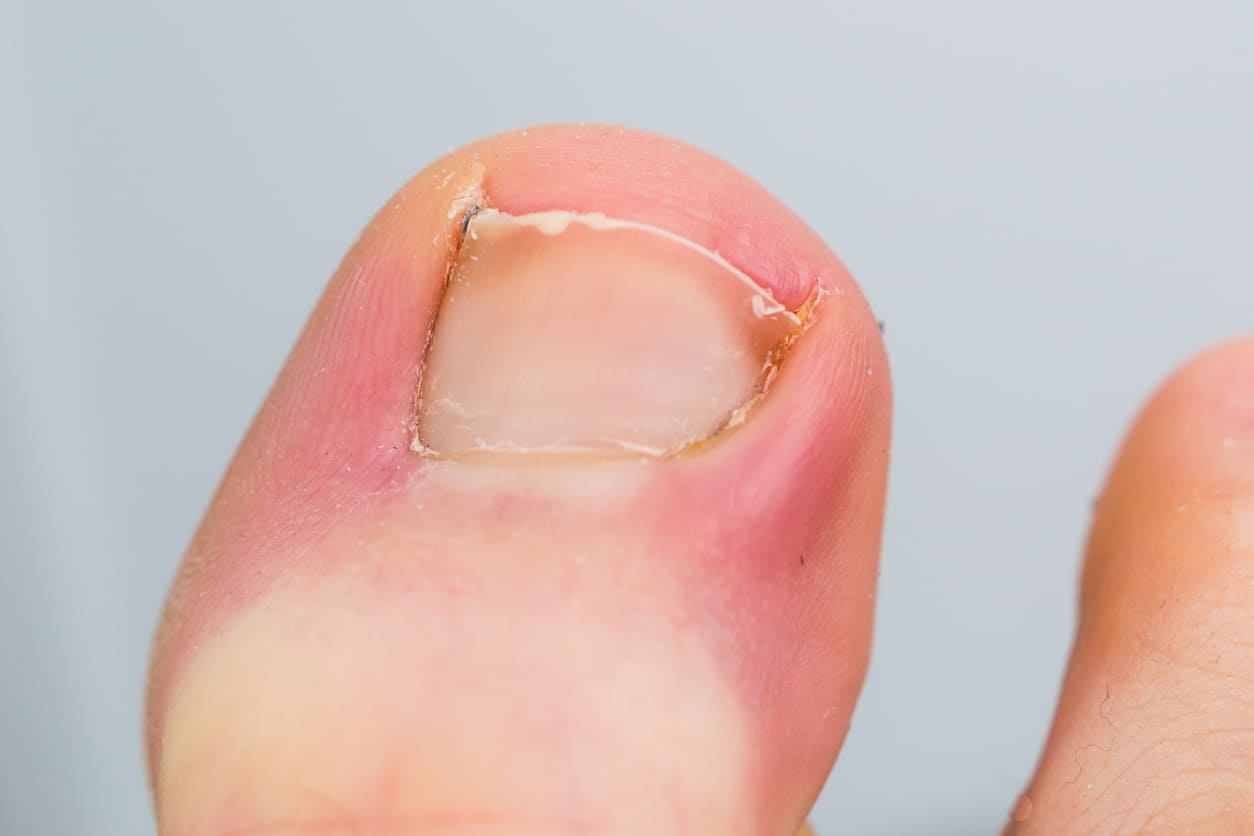
    An ingrown toenail is quite common and occurs when the toenail starts growing into the side of the toenail bed. The irritation can usually be identified by swelling and redness around the corner of the nail. If left alone, an ingrown toenail can become infected. An infected ingrown toenail is nothing to mess around with. In addition to causing extreme discomfort, the infection can spread and lead to other complications.


    What is an infected ingrown toenail?

    An ingrown toenail infection results when the minor symptoms of an ingrown toenail get worse. If not properly dealt with, the minimal discomfort in the corner of your toenail bed can escalate and become painfully swollen and red. 

    The causes of an ingrown toenail can vary, but can usually involve the improper cutting of your toenails, a toe injury, or even wearing tight shoes that irritate the nail bed.


    How do I know if I have an infected ingrown toenail?

    The symptoms of an infected ingrown toenail are many and can include:

    1. Swelling and redness around the toenail
    2. Throbbing or pressure beneath the toenail
    3. Pain when touched or bumped
    4. Buildup of pus or oozing fluid
    5. Bleeding nails
    6. Cracking or yellowing in nails that could indicate a fungal infection


    How to treat an infected ingrown toenail?

    There are some home remedies that you can use to treat and temporarily alleviate the pain of an ingrown toenail infection until you can have it properly examined and treated by a podiatrist. 

    The following are ways to treat an infected ingrown toenail:

    1. Create a foot bath with Epsom salts – soaking the infected area can temporarily ease the pain, lower the swelling and drain the pus from the infection
    2. See a podiatrist – the doctor may begin treatment by inserting a small wedge of medicated cotton between the nail and the inflamed area to drain the fluid
    3. The foot doctor may alternatively choose to numb the area and use a small incision to drain the pus
    4. The doctor gently wraps the area in sterile gauze to allow further drainage of the infection and prescribe antibiotic ointment
    5. Take medications for your infected ingrown toenail if your doctor prescribes them to help reduce the pain and swelling
    6. Seek ingrown toenail surgery if the condition persists or comes back again – the doctor simply numbs the toe and cuts off a sliver of the toenail edge so that it doesn’t grow into the nail bed

    It’s also worth noting that online there are many ingrown toenail misconceptions, which don’t actually help improve the condition of your ingrown toenail infection. Please cross check your sources to make sure they are board certified doctors of podiatric medicine, like Podiatry Associates.

    If you need ingrown toenail treatment in the Baltimore and the surrounding areas or have any questions about the treatments described above, check out our Podiatry Associates locations and find a podiatrist near you. Feel free to call our scheduling office to discuss your specific situation: (833) 500-FEET.

    [/et_pb_text][/et_pb_column][/et_pb_row][/et_pb_section][et_pb_section fb_built=”1″ _builder_version=”3.22″ custom_padding=”5px|0px|54px|0px|false|false” fb_built=”1″ bb_built=”1″ _i=”1″ _address=”1″][et_pb_row _builder_version=”3.25″ background_size=”initial” background_position=”top_left” background_repeat=”repeat” _i=”0″ _address=”1.0″][et_pb_column type=”4_4″ _builder_version=”3.25″ custom_padding=”|||” _i=”0″ _address=”1.0.0″ custom_padding__hover=”|||”][et_pb_text _builder_version=”3.29.3″ hover_enabled=”0″ _i=”0″ _address=”1.0.0.0″]

    Time to See a Podiatrist?

    If you have any of the issues described above, it’s time to consult an expert. Connect with Podiatry Associates for an evaluation. All of our doctors are board certified/qualified and we’re dedicated to preserving your foot health.


    Other Related Articles:

    [/et_pb_text][/et_pb_column][/et_pb_row][/et_pb_section]
  • Bunions Treatment and Causes

    Bunions Treatment and Causes

    [et_pb_section fb_built=”1″ _builder_version=”3.22″ custom_padding=”3px|0px|14px|0px|false|false” fb_built=”1″ bb_built=”1″ _i=”0″ _address=”0″][et_pb_row _builder_version=”3.25″ background_size=”initial” background_position=”top_left” background_repeat=”repeat” _i=”0″ _address=”0.0″][et_pb_column type=”4_4″ _builder_version=”3.25″ custom_padding=”|||” _i=”0″ _address=”0.0.0″ custom_padding__hover=”|||”][et_pb_text _builder_version=”3.29.3″ _i=”0″ _address=”0.0.0.0″]

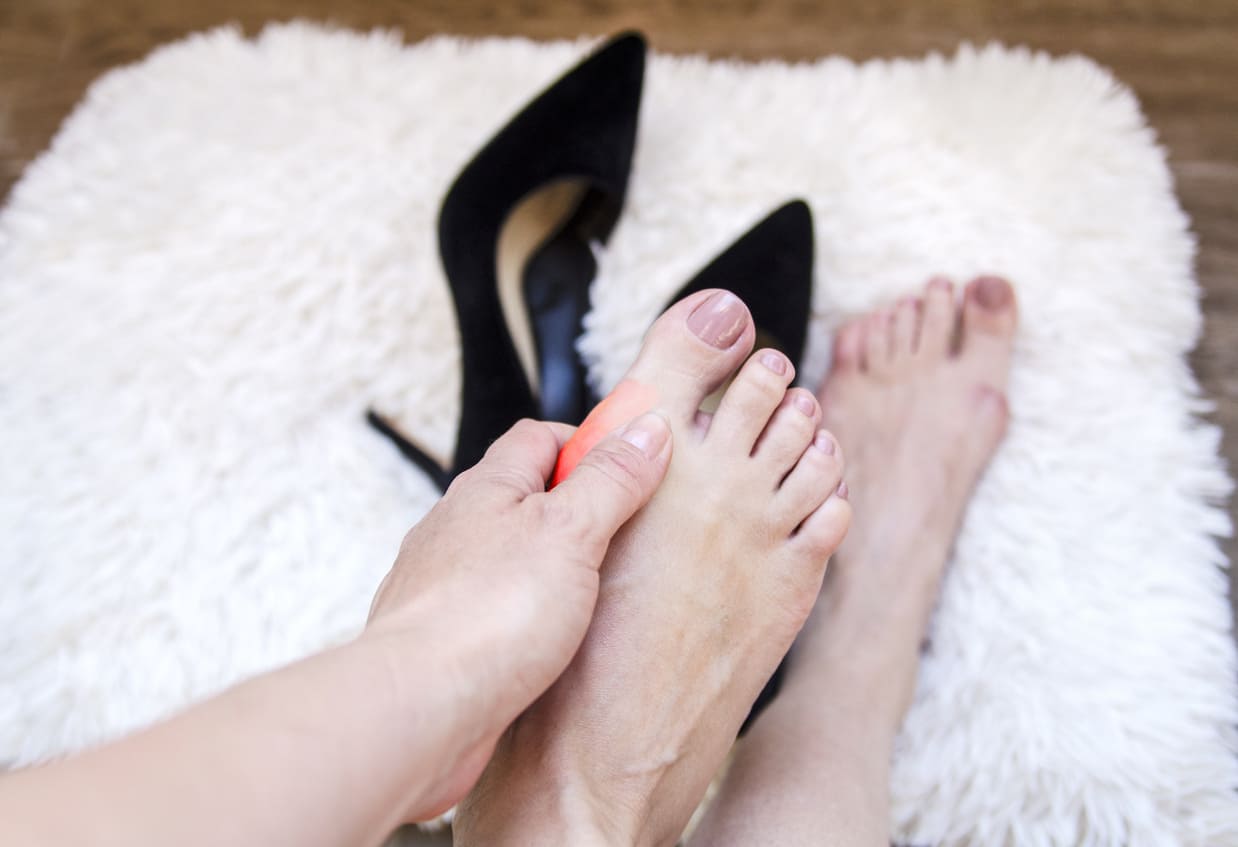
    There are a number of causes for why bunions develop on the outside joint of your foot, but it all boils down to something that is irritating the metatarsophalangeal joint of your big toe. Here are several questions that can help you find the answers to why you might be developing a bunion and what your options are for bunions treatment.


    What causes a bunion?

    A bunion is typically caused by continually wearing shoes that are too tight. Narrow shoes can irritate the metatarsophalangeal joint at the base of your big toe and cause the joint to become inflamed. You could also develop a bunion from the way you walk, foot injuries, or medical conditions like arthritis. 

    Bunions especially tend to run in the family and are typically passed down from parent to child in the form of a problematic foot type such as flat feet, clubfoot, neuromuscular disorders, 

    Bunions typically form at the base of the big toe, but there are cases where your little toe can also become inflamed, which is called a bunionette.


    Can bunions go away?

    Bunions will not just go away unless corrected by bunion surgery. However, if your specific condition is more mild than severe, then there are methods to slow down the development of your bunions without surgery.

    Since bunions are permanent and will only get worse as time goes on unless treated, your foot doctor may begin by suggesting to stay away from narrow or high heel shoes. If the pain and irritation doesn’t go away, then your podiatrist will most likely prescribe surgical options for your bunions treatment.


    What is the best treatment for bunions?

    There are many different methods for bunions treatment and the best way depends on your specific needs and foot condition. Some of these treatments may include home remedies to reduce the swelling like applying ice to the inflamed area, soaking your feet, wearing wider shoes, or avoiding heels higher than 2 inches.

    In order to slow down or correct your specific bunion condition, the foot doctor will discuss the best treatment options, which may include bunion pads or braces, shaving your callus, taking anti-inflammatory drugs, or bunion surgery.


    Do bunion correctors really work?

    Do bunion correctors work? These foot splits aren’t really properly named because they do not actually correct the deformity of bunions. They usually help to reduce pain and swelling caused by bunions and temporarily keep your bunions from getting worse, but bunion correctors don’t really straighten or fix your bunions.

    Bunion correctors are orthopedic foot splints that cushion the metatarsophalangeal joint where the bunion has formed and apply reverse pressure to keep the bunion from getting worse. Bunion correctors work as a short term solution to slow down the development of the condition, but do not really correct the bunion long term.


    How do you stop a bunion from growing?

    Your foot doctor can help to keep your bunion from growing by using a pad, tape, or a brace to hold the foot in a normal position in order to stop the irritation and minimize the pain. The podiatrist will probably also prescribe anti-inflammatory medications to try and stop the swelling of the fluid-filled sac that serves to cushion the metatarsophalangeal joint of your big toe.

    Physical therapy and the wearing of orthotics are also great bunions treatment options and can help to slow the growth of a bunion.


    What are my options for bunions treatment without surgery?

    There are many options for bunions treatment that don’t involve bunion surgery. The important thing is to manage the swelling and pain of your bunions so that the condition doesn’t get worse. Here is a list of bunion treatments without surgery:


    1. Reduce the bunion irritation with an ice pack, moleskin bunion pad, or gel pads
    2. Take anti-inflammatory medications as needed to minimize swelling and pain
    3. Use a brace or tape to control foot movement
    4. Avoid wearing narrow or high heel shoes
    5. Try using orthotics for better foot support
    6. See a physical therapist
    7. Consult a podiatrist for other treatments specific to your bunion condition

    [/et_pb_text][/et_pb_column][/et_pb_row][/et_pb_section][et_pb_section fb_built=”1″ _builder_version=”3.22″ custom_padding=”5px|0px|54px|0px|false|false” fb_built=”1″ bb_built=”1″ _i=”1″ _address=”1″][et_pb_row _builder_version=”3.25″ background_size=”initial” background_position=”top_left” background_repeat=”repeat” _i=”0″ _address=”1.0″][et_pb_column type=”4_4″ _builder_version=”3.25″ custom_padding=”|||” _i=”0″ _address=”1.0.0″ custom_padding__hover=”|||”][et_pb_text _builder_version=”3.29.3″ _i=”0″ _address=”1.0.0.0″]

    Time to See a Podiatrist?

    If you have any of the issues described above, it’s time to consult an expert. Connect with Podiatry Associates for an evaluation. All of our doctors are board certified/qualified and we’re dedicated to preserving your foot health.


    Other Related Articles:

    [/et_pb_text][/et_pb_column][/et_pb_row][/et_pb_section]
  • How Do You Treat an Ulcer? 5 Methods Explained

    How Do You Treat an Ulcer? 5 Methods Explained

    [et_pb_section fb_built=”1″ _builder_version=”3.22″ custom_padding=”3px|0px|14px|0px|false|false” global_colors_info=”{}”][et_pb_row _builder_version=”3.25″ background_size=”initial” background_position=”top_left” background_repeat=”repeat” global_colors_info=”{}”][et_pb_column type=”4_4″ _builder_version=”3.25″ custom_padding=”|||” global_colors_info=”{}” custom_padding__hover=”|||”][et_pb_text _builder_version=”3.29.3″ hover_enabled=”0″ global_colors_info=”{}” sticky_enabled=”0″]

    A diabetic ulcer is a wound or open sore on the foot, ankle or leg that can develop due to a number of factors, like the lack of blood flow caused by diabetes and sometimes by lifestyle choices. When a patient develops one of these sores, they should seek immediate diabetic foot ulcer treatment.

    There are 5 Main Ways to Treat an Ulcer Wound

    1. Use antibiotics if necessary
    2. Dress and wrap the wound according to the type of ulcer
    3. Schedule regular checkups and dressing changes
    4. Prescribe pain medication if needed
    5. Perform surgery if healing isn’t progressing


    Our podiatrists provide diabetic foot ulcer treatment in the following 5 ways:


    1. Use Antibiotics

    If the ulcer is infected, the podiatrist will first need to apply an antibiotic ointment to combat the infection. If the infection has penetrated to deeper skin layers or even to the bone, then the podiatrist will most likely prescribe stronger antibiotics that will be taken orally.


    2. Dress and Wrap

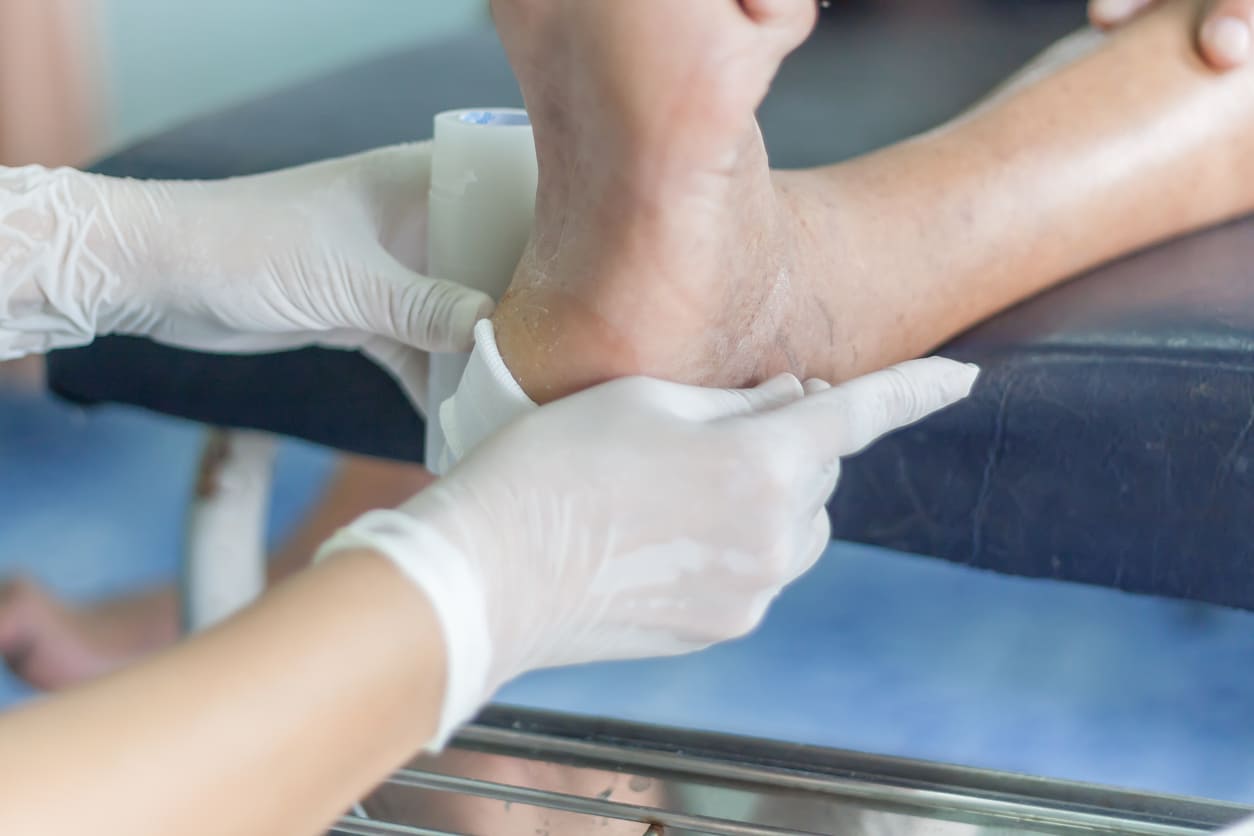
    After properly treating any infection that is present, the podiatrist will proceed to dress and wrap the ulcer wound to protect it.

    Before wrapping the wound, the podiatrist applies a dressing that will help the wound to heal. The type of dressing used will depend on the patient’s specific condition. Some examples of dressings that one of our podiatrists in Baltimore might use are: 

    • Hydrogels
    • collagen wound dressings
    • antimicrobial dressing
    • Hydrocolloids
    • moist dressings
    • alginate dressings
    • debriding agents
    • composite dressings
    • synthetic skin substitutes

    Once the appropriate dressing is applied to the wound, the foot doctor will proceed to wrapping the wound. 


    Wraps for Venous Ulcers

    Venous Ulcers or leg ulcers, which occur due to the improper functioning of venous valves, are often protected and treated through compression wraps. For proper diabetic foot ulcer treatment, podiatrists will often use multi-layer compression wraps, or wrap an ACE bandage from just above the toes on the foot to just below the knee. Compression wrapping of venous ulcers is important because it helps to minimize swelling or edema.


    Wraps for Arterial Ulcers

    For arterial ulcers, which tend to occur on the foot, ankle or lower part of the leg, the issue is due to an inadequate blood supply to the wound. For this type of ulcer, podiatrists will often use an Unna’s Boot (a wet zinc oxide bandage).


    3. Regular Checkups and Dressing Changes

    As well as healing the existing ulcer(s), it is important to prevent additional foot and leg ulcers from developing. The foot doctor will proceed to the next phase of diabetic foot ulcer treatment by changing the ulcer bandages during regular appointments, which need to be scheduled more frequently when the ulcer is the worst and then can be scheduled every so often once the ulcer is showing much healing progress.


    4. Pain Medication

    Changing the dressings can be quite painful at first, so the podiatrist may prescribe pain medication to help deal with any major discomfort. The type of medication will depend on each patient’s specific needs, diabetic foot ulcer treatment type, and medical history.


    5. Surgery

    The natural healing of foot and leg ulcers is always preferred, but sometimes due to the patient’s condition, surgery becomes necessary. Each patient’s situation is unique and may require any of a variety of approaches to ulcer surgery from regular debridement (or the removal of infected tissue to amputation in very serious cases.

    If you’re looking for diabetic foot ulcer treatment in Baltimore and the surrounding areas, then please don’t hesitate to schedule an appointment at one of our locations. Feel free to call our scheduling office to discuss your specific situation: (833) 500-FEET.

    [/et_pb_text][/et_pb_column][/et_pb_row][/et_pb_section][et_pb_section fb_built=”1″ _builder_version=”3.22″ custom_padding=”5px|0px|54px|0px|false|false” global_colors_info=”{}”][et_pb_row _builder_version=”3.25″ background_size=”initial” background_position=”top_left” background_repeat=”repeat” global_colors_info=”{}”][et_pb_column type=”4_4″ _builder_version=”3.25″ custom_padding=”|||” global_colors_info=”{}” custom_padding__hover=”|||”][et_pb_text _builder_version=”4.14.7″ hover_enabled=”0″ global_colors_info=”{}” sticky_enabled=”0″]

    Time to See a Podiatrist?

    If you have any of the issues described above, it’s time to consult an expert. Connect with Podiatry Associates for an evaluation. All of our doctors are board certified/qualified and we’re dedicated to preserving your foot health.


    Other Related Articles:


    Podiatry Associates of Bel Air

    The best podiatrists in Bel Air, MD.

    1 N Main St.

    Bel Air, MD 21014

    Phone: 410-879-1212


    Podiatry Associates of Columbia

    The best rated foot doctors in Columbia, MD.

    5500 Knoll N Dr #440

    Columbia, MD 21045

    Phone: 410-730-0970


    Podiatry Associates of Baltimore (Franklin Square)

    The best podiatric surgery in Baltimore, MD.

    9105 Franklin Square Dr #206

    Baltimore, MD 21237

    Phone: 410-574-3900


    Podiatry Associates of Towson (GBMC)

    The top rated foot and ankle doctors in Towson, MD.

    6569 N Charles St # 702

    Towson, MD 21204

    Phone: 410-828-5420

    Note: GBMC Physicians Pavilion West


    Podiatry Associates of Baltimore (Medstar Good Samaritan Hospital)

    The best rated foot doctors in Baltimore, MD.

    5601 Loch Raven Blvd # 400

    Baltimore, MD 21239

    Phone: 410-433-2500


    Podiatry Associates of Perry Hall

    The best board certified podiatrists in Baltimore, MD.

    9712 Belair Rd # Ll3

    Baltimore, MD 21236

    Phone: 410-256-6060


    Podiatry Associates of Baltimore (UMD Midtown)

    The highest rated foot doctors in Baltimore, MD.

    827 Linden Ave

    Baltimore, MD 21201

    Phone: 410-462-5420


    Podiatry Associates of Havre De Grace

    The top rated foot doctors in Havre De Grace, MD.

    1500 Blenheim, Farm Ln Suite C

    Havre De Grace, MD 21078

    Phone: 410-939-0055

    [/et_pb_text][/et_pb_column][/et_pb_row][/et_pb_section]
  • 11 Things Every Patient Should Know About Foot Surgery

    11 Things Every Patient Should Know About Foot Surgery

    [et_pb_section fb_built=”1″ _builder_version=”3.22″ custom_padding=”3px|0px|14px|0px|false|false” global_colors_info=”{}”][et_pb_row _builder_version=”3.25″ background_size=”initial” background_position=”top_left” background_repeat=”repeat” global_colors_info=”{}”][et_pb_column type=”4_4″ _builder_version=”3.25″ custom_padding=”|||” global_colors_info=”{}” custom_padding__hover=”|||”][et_pb_text _builder_version=”4.14.7″ hover_enabled=”0″ global_colors_info=”{}” sticky_enabled=”0″]

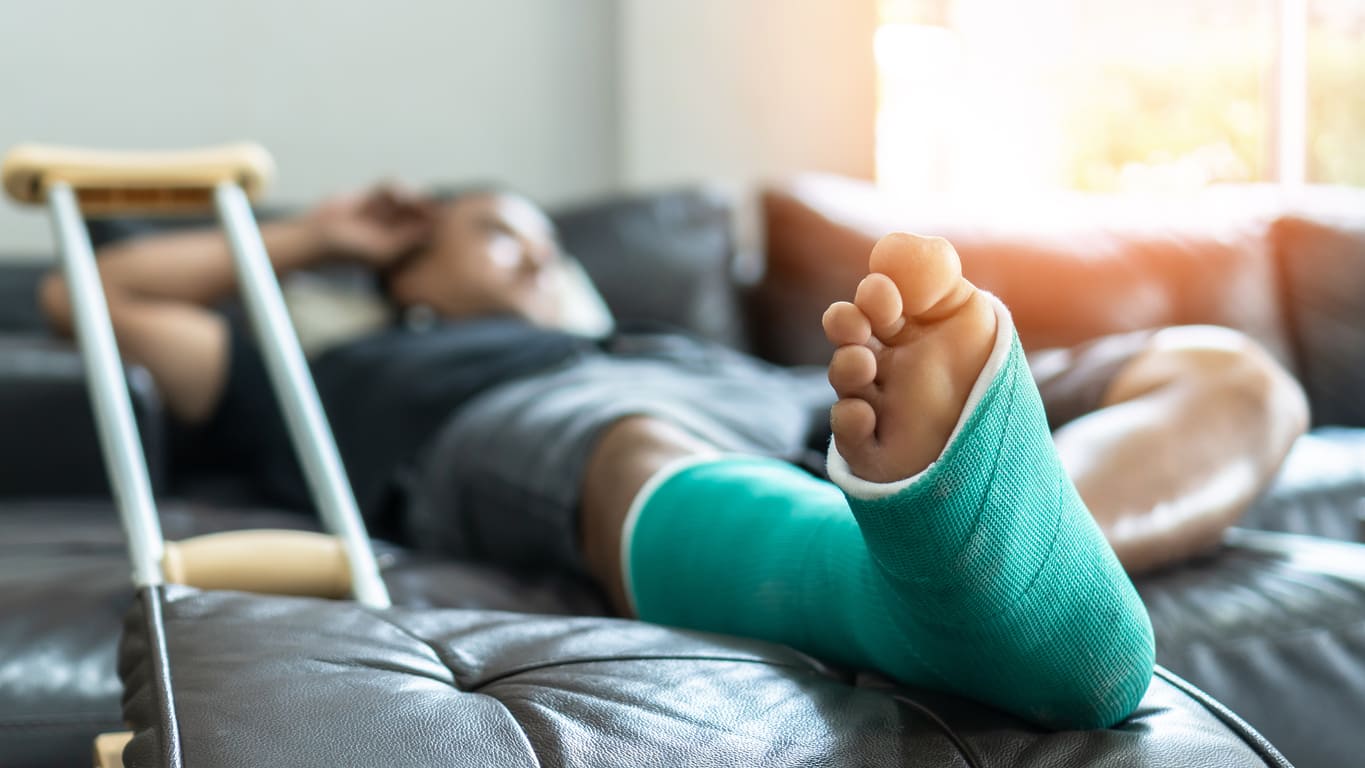
    Foot surgery can help with the realignment of the bones, arthritis, torn or ruptured tendons, and other medical conditions. However not all of these conditions require surgery, and can be treated with non-operative methods. But when the injury is severe, you should consult with a podiatric surgeon. If your doctor suggests you proceed with surgery you should seek out the best foot surgery in Baltimore for your procedure. 

    Here are 11 things that every patient should know about foot surgery:


    1. Pre-surgical Instructions

    You should take your pre-surgical instructions very seriously which includes the procedure of anesthesia or other related information which the medical practitioners will be sharing with you. These instructions are important to ensure that you are properly prepared for a successful procedure.


    2. Surgical Questions

    Ask the podiatric surgeon questions before or after the surgery to make sure that your concerns are addressed and that you are taking the best care of your condition leading up to or after the procedure. You can choose the best podiatric surgeons in Baltimore and get your doubts cleared for a better understanding of the procedures.


    3. Smoking & Drinking

    If you are engaged in smoking and drinking, you should seriously consider giving them up as it can have post-surgical complications and can reduce the healing process.


    4. Recover Period Prep

    You need to prepare for your recovery period beforehand so that your post-surgery period will help you in healing faster.


    5. Bathing

    After the surgery, you need to take regular showers to keep yourself clean. The podiatrist will give you specific instructions about whether or not you can allow the surgical site to get wet during bathing.


    6. Nutritious Food

    You will also need to eat nutritious food that are high in vitamins required for a good recovery. Your surgeon will provide these recommendations based on your condition.


    7. Hydration

    You might also get constipated due to the increased intake of medications, so you will need to hydrate more frequently with more liquids.


    8. Pain Killers

    Also, after your foot surgery, the doctors may prescribe pain killers. Before taking the drugs, seriously consider if you actually need the medicine or if you can do without.


    9. Energy Levels

    You may also feel low energy after surgery as you won’t be able to perform the daily activities for a few days and so it is very important for you to interact with people and most importantly do not isolate yourself.


    10. Exercise

    As soon as you are told by your doctor that you can move, you need to engage your body in some kind of movement or perform light exercises so that you can heal more quickly.


    11. Post-op Instructions

    Also, don’t forget to closely follow the post-op instructions given by the medical experts as they know what’s best for you and will provide you with instructions for a faster healing process.


    So, now that you know these important things, you can confidently discuss your foot surgery in Baltimore with an experienced surgeon and make the right decision about selecting the right podiatrist for your procedure.


    If you need to see one of our podiatrists in Baltimore and the surrounding area or have any questions about the diabetic side effects described above, check out our Podiatry Associates locations and find a podiatrist near you. Feel free to call our scheduling office to discuss your specific situation: (833) 500-FEET.


    Podiatry Associates of Bel Air

    The top rated podiatrists in Bel Air, MD.

    1 N Main St.

    Bel Air, MD 21014

    Phone: 410-879-1212


    Podiatry Associates of Columbia

    The best rated podiatrists in Columbia, MD.

    5500 Knoll N Dr #440

    Columbia, MD 21045

    Phone: 410-730-0970


    Podiatry Associates of Baltimore (Franklin Square)

    The board certified podiatrists in Baltimore, MD.

    9105 Franklin Square Dr #206

    Baltimore, MD 21237

    Phone: 410-574-3900


    Podiatry Associates of Towson (GBMC)

    The top reviewed podiatrists in Towson, MD.

    6569 N Charles St # 702

    Towson, MD 21204

    Phone: 410-828-5420

    Note: GBMC Physicians Pavilion West


    Podiatry Associates of Baltimore (Medstar Good Samaritan Hospital)

    The best rated podiatrists in, MD.

    5601 Loch Raven Blvd # 400

    Baltimore, MD 21239

    Phone: 410-433-2500


    Podiatry Associates of Perry Hall

    The best rated podiatrists in Baltimore, MD.

    9712 Belair Rd # Ll3

    Baltimore, MD 21236

    Phone: 410-256-6060


    Podiatry Associates of Baltimore (UMD Midtown)

    The best rated podiatrists in Baltimore, MD.

    827 Linden Ave

    Baltimore, MD 21201

    Phone: 410-462-5420


    Podiatry Associates of Havre De Grace

    The top rated podiatrists in Havre De Grace, MD.

    1500 Blenheim, Farm Ln Suite C

    Havre De Grace, MD 21078

    Phone: 410-939-0055


    [/et_pb_text][/et_pb_column][/et_pb_row][/et_pb_section][et_pb_section fb_built=”1″ _builder_version=”3.22″ custom_padding=”5px|0px|54px|0px|false|false” global_colors_info=”{}”][et_pb_row _builder_version=”3.25″ background_size=”initial” background_position=”top_left” background_repeat=”repeat” global_colors_info=”{}”][et_pb_column type=”4_4″ _builder_version=”3.25″ custom_padding=”|||” global_colors_info=”{}” custom_padding__hover=”|||”][et_pb_text _builder_version=”3.29.3″ global_colors_info=”{}”]

    Time to See a Podiatrist?

    If you have any of the issues described above, it’s time to consult an expert. Connect with Podiatry Associates for an evaluation. All of our doctors are board certified/qualified and we’re dedicated to preserving your foot health.


    Other Related Articles:

    [/et_pb_text][/et_pb_column][/et_pb_row][/et_pb_section]